
Entry Ticket Dispenser and Card Reader System: Complete Guide
2026-08-25
Managing vehicle access efficiently is a challenge every facility manager understands. An entry ticket dispenser and card reader system combines automated ticket issuance with secure card authentication technologies, creating a unified solution for parking access control. This electromechanical terminal serves as your primary interface within Parking Access and Revenue Control Systems (PARCS), automating check-in processes to eliminate labor costs, prevent revenue leakage, and reduce entry transaction times to under three seconds per vehicle. Modern systems accommodate both temporary visitors through thermal paper tickets and permanent users via RFID proximity cards, delivering measurable operational improvements across commercial parking operations.
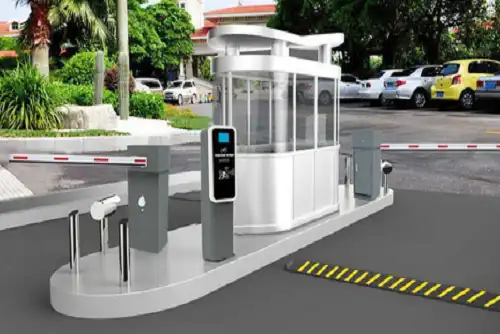
Understanding How Entry Ticket Dispensers and Card Reader Systems Work
Core Components and Technologies
Several important parts work together smoothly in an entry ticket dispenser and card reader system. The ticket printer section uses fast thermal printing to make long-lasting tickets with encrypted barcodes or QR codes that have unique names and entry timestamps. The card reader part works with different types of credentials, including IC cards that work at 13.56MHz, ID cards that work at 125kHz, Bluetooth connections for mobile credentials, and UHF readers that can detect up to ten meters away.
Embedded processors based on ARM that run Linux are often used in the control architecture. This setup gives you strong security, real-time task management, and the freedom to change things as needed for your operations. Protocols for communication include TCP/IP for sending data, RS485 for controlling peripherals, and Wiegand ports for connecting to access controls from other companies.
These days, terminals can act as edge computing nodes that can handle authentication logic locally, even if the server network goes down. When the network goes down, on-board memory saves thousands of transaction logs. When the link is restored, cached data is automatically uploaded. This offline duplication makes sure that the business keeps running without losing any income data. This is a very important feature for places that need to keep access controlled all the time.
Operational Workflow
Different types of drivers interact with the entry lane in different ways when their vehicles get close. When temporary guests press a button, the thermal printer gives them a ticket with a time stamp right away. Permanent users place their RFID cards close to the reader antenna. The reader then records the information on the cards and checks the users' permissions against databases that are stored. Every time someone enters, the system records the time, the number of their credential, and the lane number. It then sends this information to central management software so that it can be used to figure out revenue and make reports.
The process of authentication is quick. In milliseconds, the controller board checks passwords, talks to management servers when the network is connected, looks at blacklists, and sets off gate release mechanisms. Voice prompts and interactive parts like 10.1-inch high-brightness industrial displays help drivers through the process, which cuts down on confusion and makes traffic flow better.
Benefits and Value of Implementing Advanced Access Systems
Operational Efficiency Improvements
Automation completely changes how parking works. There is no need for manual guard jobs, so there are no salary costs and the service is available 24/7. Transaction times get a lot faster—automated systems can handle cars in less than three seconds, while it used to take 15 to 30 seconds for people to do it by hand. This increase in throughput keeps entry lanes from getting backed up during rush hours, which is especially helpful in places with a lot of traffic, like shopping stores that get over 1,000 cars every day.
When processes are done by hand, mistakes like wrong timestamps, missed validations, and wrongly estimated durations can happen. Automated entry ticket dispenser and card reader system authentication get rid of these problems, making sure that accurate data is recorded for every transaction. This accuracy also protects revenue, since electronic timestamping stops duration fraud, which is when exit times are changed to lower parking fees.
Security and Revenue Protection
Professional-grade systems have security features that offer multiple layers of protection. Ticket barcodes that are encrypted stop fakes from being made. Vandals can't get into cabinets made of heavy-duty cold-rolled steel that can't be opened. Industrial-grade parts can handle the physical stress of being used continuously in harsh conditions.
Parking lot owners lose a lot of money when revenue goes missing. Common types of fraud that are stopped by automated systems are using lost tickets, following without capturing credentials, and theft by human attendants. Every transaction creates electronic records that can be checked and connect entry passwords to specific timestamps. This makes long chains of accountability. Management software looks at these sets of data and looks for strange patterns that could mean someone is trying to commit fraud or there are holes in the system that need to be fixed.
Data Analytics Capabilities
Because automated systems are digital, they produce useful tactical data. Management platforms collect transaction data, which shows how resources are used on a daily, weekly, and seasonal basis. Staffing choices for support staff are based on peak time analysis. Trends in occupancy help price strategies be changed to get the best revenue yield. Average duration measures show trends of customer activity that can help with planning facilities.
With real-time screens, operations can be seen in a way that wasn't possible with manual methods. Facility managers keep an eye on the state of each lane, find broken equipment right away, keep track of how much money is coming in all the time, and get alerts when conditions need their attention. This openness helps managers be more proactive instead of reactive when problems arise, which makes the service more reliable and increases customer happiness.
Selecting the Right System for Your Facility
System Types and Configuration Options
When choosing an entry ticket dispenser and card reader system, facilities need to look at a number of configuration factors. Standalone terminals can be used on their own and have basic entry control features, making them good for simple parking operations that don't need a lot of validation. Integrated systems link to full parking management software, which lets you use advanced features like validation programs, changing pricing, and management of multiple sites.
Installation forms change depending on what the place needs. Fixed pedestal-mounted units can be permanently set up to create reserved entry lanes. Portable configurations give you options for controlling access temporarily at events or construction sites. Environmental protection ratings are very important. For example, IP65-rated enclosures are needed for outdoor installations to keep the electronics inside safe from rain, dust, and humidity. Lower-rated enclosures may be used in climate-controlled environments.
Credential compatibility is another important factor in the choosing process. Dual-mode systems that can authenticate cards and give out tickets are useful in mixed-use facilities that serve both contract parkers and casual visitors. Advanced RFID features might be more important in places where people only visit once a month, while high-capacity ticket roll housings that require less upkeep might be more important in places where people come in large groups.
Key Selection Criteria
The lifecycle costs and operating efficiency of hardware are directly affected by how long it lasts. Industrial-grade parts, like thermal print heads that can make more than 1.5 million cuts, motors that can work nonstop, and conformal-coated circuit boards that don't get damaged by moisture, are worth the extra money because they last longer and need less upkeep.
Processing speed changes how customers feel and how much data goes through. To keep lanes from getting crowded, systems must finish identification processes in two to three seconds. For this to work, you need powerful processors, software algorithms that are optimized, and responsive peripheral parts that work together at the same time.
How well new equipment works with current infrastructure depends on how well it can be integrated. Multiple interface choices, including RJ45 Ethernet, RS232/RS485 serial links, and dual Wiegand ports, make it possible to work with a wide range of control platforms, payment systems, and peripheral devices. When a facility plans to grow in the future, it should make sure that its systems can handle more lanes and features without having to be completely replaced.
Tolerance to the environment is important, especially for installations that are outside where temperatures can change quickly. Professional equipment works effectively in a wide range of temperatures; the best units can work from -40°C to 80°C. Cabinets that are controlled by thermostats have heaters and fans inside to keep the temperature stable and keep sensitive electronics working at their best.
ZOJE-TB101: Advanced Solution for Demanding Environments
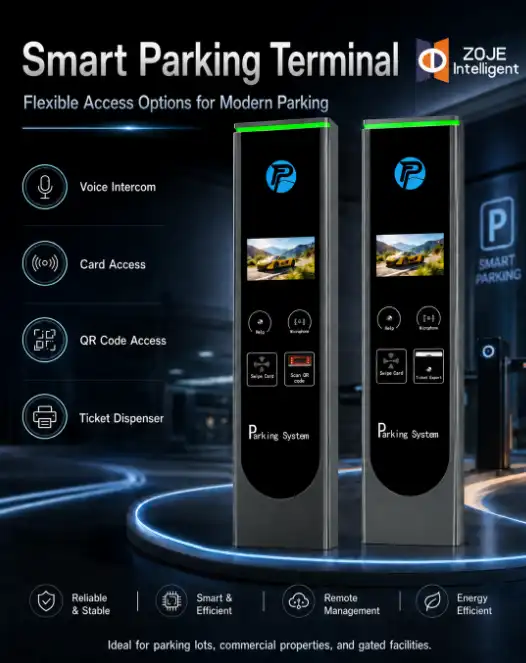
When facilities need unwavering performance, the ZOJE-TB101 offers a wide range of features on a single platform. This industrial-grade terminal supports multi-recognition technology for IC, ID, Bluetooth, and UHF credential formats. This means that it can work with a wide range of users without the need to install multiple readers. The fast ARM-Linux design keeps things running smoothly even when the server network goes down. This keeps the access control that is needed in important facilities going.
Here are the core advantages distinguishing this system from basic alternatives:
1. Ultra-Wide Temperature Tolerance: The ZOJE-TB101 works reliably from -40°C to 80°C, even in harsh environments that would normally stop other equipment from working. This durability is important for outdoor setups in places with unusual weather, from desert heat to arctic cold. It makes sure that the system works the same way no matter what the weather is like.
2. Comprehensive Connectivity Options: A lot of I/O ports, such as RJ45, RS232, RS485, and dual Wiegand interfaces, make it easy to connect to current systems. Instead of spending a lot of money on rewiring projects, facilities can connect peripheral devices, payment systems, and third-party access controllers as their operational needs change.
3. Interactive Communication Features: The 10.1-inch industrial monitor is very bright and easy to see in all kinds of lights, from direct sunlight to working at night. Video intercoms let drivers and control center staff talk to each other in real time when help is needed. This improves customer service while lowering the need for staff on-site.
4. Global Language Support: The system can work with sites and users from all over the world because it has tools available in more than 30 languages. This ability to speak more than one language is especially useful in places like airports, international business centers, and multicultural neighborhoods where people from many countries live together.
These benefits effectively solve common operational problems: environmental resilience stops downtime caused by bad weather, connectivity flexibility makes complicated integrations easier, interactive features make customers happier, and language support makes sure everyone can use the system. When facilities invest in this level of potential, they get long-term operational benefits that basic tools can't give them.
Installation, Maintenance, and Troubleshooting Best Practices
Professional Installation Procedures
Proper entry ticket dispenser and card reader system installation establishes the foundation for reliable long-term operation. Assessing a site starts with looking at the shape of the lanes and making sure there are enough approach distances for vehicles to be seen and for drivers to interact with them. Checking the infrastructure for compatibility makes sure that the power source meets the requirements, that the network is accessible, and that the hardware meets the mounting needs. Ticket machines should be placed so that they line up with the windows on the driver's side at a comfortable reach height, which is usually 900 to 1100 mm above the ground.
To keep connections safe from physical damage while still making them easy to reach for upkeep, cable routing needs to be carefully planned. When installed in conduit, data and power cables are protected from the weather and mechanical stress. Electrical interference that could mess up a card reader's work can't happen because of ground loop separation. Before the system is put into service, integration testing makes sure that terminals, management servers, gate mechanisms, and other devices can talk to each other.
Routine Maintenance Requirements
Preventive repair plans make equipment last longer and stop it from breaking down when you least expect it. Cleaning the thermal print head with isopropyl alcohol every three to five rolls of tickets gets rid of the paper dust and adhesive residue that lowers the quality of the prints. An check of the cutting blade shows that debris is building up and stopping the clean separation of the tickets. Cleaning the sensors keeps them working well so that vehicles can be found and tickets can be removed.
Software changes add security fixes, improve features, and make the program run faster. Management systems usually allow updates to be sent remotely, which reduces the need for service on-site. As authentication technologies change, card readers need to have their firmware updated so that they can work with new types of credentials. Backup verification makes sure that transaction files are copied correctly, which protects income data in case hardware fails.
The integrity of environmental protection is maintained through cabinet weatherproofing inspection. The state of the gasket affects how well it stops water from getting in. Worn-out seals need to be replaced before water damage happens. Verification of the drain path makes sure that water flows away from gadgets when it rains a lot. These checks are especially important for installations that are outside, where the weather wears down parts over time.
Common Troubleshooting Scenarios
Common troubleshooting issues include card reader failures, ticket jams, and connectivity problems. Card issues can be resolved by testing credentials, adjusting antennas, and checking wiring. Ticket problems often require proper paper loading, cleaning, and improved materials. Network failures can be diagnosed through IP checks, cable inspections, firewall reviews, and system logs to identify communication errors.
Procurement Insights for B2B Buyers
Supplier Evaluation Considerations
Selecting a reliable parking access control manufacturer requires evaluating industry experience, technical capabilities, quality certifications, production capacity, and after-sales support. ISO 9001:2015 compliance, patents, and manufacturing expertise demonstrate reliability. Strong global support, spare parts availability, and clear warranty terms reduce operational risks and improve long-term satisfaction for facility operators.
Customization and Integration Services
Customization services allow parking systems to meet specific operational needs through hardware changes, software adjustments, and tailored designs. OEM and ODM partnerships support unique branding, large-scale deployments, and complete solutions. Integration with existing infrastructure may require standard connections, middleware, or migration plans. Experienced suppliers help balance functionality, cost, and implementation risks.
Pricing Models and Support Packages
Different pricing models support different project needs. Direct purchase suits permanent installations, while leasing and rentals provide flexible payment options for temporary or budget-focused projects. Warranty plans define risk coverage, with standard and extended options available. For international projects, clear shipping terms such as FOB, CIF, DDU, and DDP help control logistics costs and responsibilities.
Conclusion
These days, parking lots need reliable automation that provides speed, safety, and useful operational intelligence. Entry ticket dispenser and card reader systems are the building blocks for this change. They replace time-consuming and expensive human processes with accurate electronic entry control. To choose the right tools, you need to carefully consider its technical skills, suitability for the surroundings, flexibility in terms of integration, and provider support. The ZOJE-TB101 is a great example of how advanced multi-recognition technology, industrial-grade construction, and a wide range of connectivity choices can meet the tough operating needs of shopping malls, airports, apartment complexes, office buildings, and business parking lots. Partnering with experienced manufacturers guarantees successful implementations backed by quick technical support, dependable warranty protection, and ongoing access to new technologies that keep your facilities competitive as technologies change.
FAQ
1.How does the system function if the central server goes offline?
Professional equipment has local storage options like NVRAM or SD cards that can be used for offline mode backups. When the network goes down, the internal manager stores entry timestamps, ticket identifiers, and card confirmation logs. When connectivity is restored, the system syncs the data automatically by sending transactions that were saved locally to central servers. This architecture guarantees continuous operation without revenue data loss, which is very important for places that need to keep access controlled even if the network isn't working well.
2.What maintenance prevents ticket jams?
Every three to five rolls of tickets should have the thermal print head cleaned with isopropyl alcohol as part of regular maintenance. This will get rid of paper dust and adhesive residue. When the cutting blade area is inspected, debris buildup that leads to partial ticket separation is found. The most common cause of jams is users pulling tickets out too early, which can be avoided with high-quality systems that use retractor mechanisms or limited output designs.
3.Can card readers integrate with third-party access control systems?
Most common readers use the Wiegand protocol (26/34 bit), which lets them connect directly to access control screens made by other companies. When you buy proprietary encrypted credentials like HID iClass SE or MIFARE DESFire EV2, compatibility gets trickier because you need to make sure you have the right encryption keys and reader firmware. Integration consulting is offered by experienced sellers who check for compatibility before ordering equipment so that expensive problems with compatibility don't happen during installation.
ZOJE: Your Trusted Partner in Parking Access Solutions
Upgrading your facility's access control shouldn't feel overwhelming. ZOJE, a top maker of an entry ticket dispenser and card reader system, has specialized in parking access solutions since 2012, delivering reliable equipment backed by comprehensive support that transforms complex projects into smooth implementations. Our ZOJE-TB101 terminal is the result of more than ten years of technical improvement, with real-world feedback from installations in a wide range of settings, from airports in the desert to parking garages in the Arctic.
Our approach is different because we focus on real partnerships instead of just selling equipment. Our team visits clients around the world once a year because we believe that face-to-face conversations are the best way to understand how your needs and market challenges are changing. Because we put the customer first, we can make sure that the solutions we suggest really meet your business needs instead of pushing pre-set product settings.
Standard products usually ship in 5 to 7 days, while customized configurations take 10 to 15 days. These quick delivery times keep your projects on track. Because both hardware and software can be customized, the equipment can react to your work processes instead of making you make trade-offs. Our commitment to quality and innovation is shown by our ISO 9001:2015 certification and multiple patent certificates. Every machine comes with a full two-year guarantee and 24/7 global technical support, so you can get help whenever you need it, no matter what time zone you're in.
ZOJE has the knowledge, tools, and support to make your investment a success, whether you're in charge of an upgrade at a single site or a standardization project at multiple sites. Get in touch with our expert team at info@zoje-tech.com to talk about your unique needs. We'll give you detailed expert advice, personalized quotes, and full help with planning your job. Check out our website at zoje-parking.com to see all of our products and learn how professional-grade parking technology can improve the way your business works.
References
1. Johnson, M. and Williams, R. (2021). Automated Parking Systems: Technology and Implementation Strategies. Transportation Infrastructure Press.
2. Chen, L. (2022). "RFID and Contactless Card Technologies in Access Control Applications," Journal of Security Technology, Vol. 34, No. 2, pp. 156-178.
3. Peterson, K. (2020). Parking Facility Management: Best Practices for Revenue Control Systems. Urban Planning Institute Publications.
4. Davis, A. and Thompson, S. (2023). "Cost-Benefit Analysis of Automated Parking Entry Systems in Commercial Facilities," Facilities Management Quarterly, Vol. 29, No. 1, pp. 45-67.
5. Martinez, J. (2021). Industrial Electronics for Harsh Environments: Design and Reliability Considerations. Technical Engineering Publishing.
6. Anderson, P. (2022). "Integration Strategies for Legacy and Modern Parking Access Control Systems," Smart Infrastructure Review, Vol. 18, No. 4, pp. 112-134.

Send Inquiry
You may like
Related Industry Knowledge
- Dual-mode Geomagnetic Parking Detector for Smart Parking Systems
- Parking Space Detection: Sensors vs Camera
- The Future of Smart Parking: Front-Mounted Ultrasonic Parking Space Detectors
- Parking Automatic Payment Station Integrated with LPR System for Commercial Projects
- How barrier radar sensors prevent injury accidents?
- Is Tempered Glass Full-Height Turnstile Durable?
- Fast Access Boom Barrier Benefits in Traffic Control
- Anti-Collision Flap Barrier Turnstile Benefits in Metro
- Top 24/7 Unattended Parking Systems to Cut Labor Costs
- What Is an All-in-One LPR Machine for Smart Parking?