
ANPR for Charge Parking Lots: How Automatic Parking Fees Improve Management
2026-08-19
Managing parking revenue efficiently while maintaining smooth traffic flow has become a critical challenge for operators across shopping malls, airports, residential communities, office buildings, and commercial parking facilities. ANPR for charge parking lots represents a transformative solution that automates fee collection through intelligent license plate recognition technology. By capturing vehicle plate data in real-time and seamlessly integrating with payment platforms, this system eliminates traditional ticketing friction, reduces revenue leakage, and provides actionable analytics that help operators make smarter management decisions. The result is faster throughput, enhanced customer satisfaction, and measurable improvements in operational profitability.
Understanding ANPR Technology for Charge Parking Lots
Automatic Number Plate Recognition technology has grown from a niche tool for law enforcement to an important part of modern parking management. At its core, the system uses high-resolution cameras with advanced optical character recognition algorithms to read license plates as cars enter and leave parking lots.
How License Plate Recognition Works in Parking Environments
When a car gets close to the entry lane, special cameras take several pictures of the front or back plate in different lighting conditions. The embedded software quickly turns the letters and numbers into digital metadata, which records the exact time stamp and stores the data in the parking control database. This process usually ends in less than 200 ms, which lets walls go up without any visible wait.
The method always works, no matter the time of day or weather. Infrared illuminators and wide dynamic range sensors are built into professional-grade cameras, so they can keep images clear even in underground garages with little light. This dependability makes sure that data is collected consistently in a wide range of settings, from brightly lit airport lots to dimly lit basement parking lots for homes.
Key Benefits for Parking Operators and Facility Managers
Automated license plate recognition has measurable benefits that have a direct effect on the bottom line of paid parking lots. The method gets rid of common problems like ticket sharing, tailgating scam, and typing mistakes, which greatly improves the accuracy of revenue. Operators say that complaints and chargebacks are going down because each transaction is linked to picture proof and exact timestamps.
Within weeks of introduction, operational efficiency gains are clear. Instead of refilling paper and fixing broken machines to make ticket machines work, facility staff can focus on helping customers and enforcing the rules. Queue times at entry and exit places get a lot shorter, especially during rush hours when old methods slow things down. Facility managers can see detailed analytics dashboards that show patterns of occupancy, average length of stay, and revenue trends broken down by time periods or types of vehicles.
The technology also makes it easier to handle violations. When cars stay in restricted areas for too long or overstay their paid time, the system instantly reports these events and can start enforcement processes without any need for human oversight. This feature is especially useful in large commercial parking lots where staffing levels would make it impossible to visually check every space.
Overcoming Common Technical Challenges
There are a lot of perks, but procurement teams should know how ANPR for charge parking lots current methods deal with possible problems. Plates that are dirty, broken, or mounted in non-standard ways can slow down recognition rates in older systems. Newer solutions use machine learning algorithms that have been taught on millions of different plate variations. This lets them read characters that are missing or badly damaged very accurately. With expert applications, recognition rates of over 99% are now the norm.
Things in the environment, like glare, rain, or fog, used to be big problems. Modern cameras use polarizing filters, shutter speeds that can be changed, and multi-frame image processing to keep working well in all kinds of weather. Because it uses edge computing, the device can make smart changes in real time without always being connected to central servers.
Comparing ANPR with Alternative Parking Payment Systems
When parking garage owners are thinking about technology investments, they need to be able to easily compare the different options. Knowing the pros and cons of each method makes sure that the system's powers and the building's needs are in line with each other.
Traditional Ticket-Based Systems Versus License Plate Recognition
Traditional ticket machines and gate systems need to be accessed physically at both entry and exit points. Before they can leave, drivers have to stop, get a paper ticket, and show it to the cashier. This process adds places where machines can break, prices for things like ticket stock and thermal paper that need to be replaced often, and the need for maintenance. Lost tickets cause problems with customers and disagreements about money, which take time from staff.
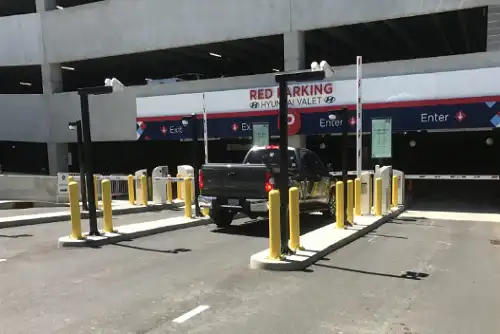
With license plate-based solutions, these places of contact are completely eliminated. Vehicles move through entry lanes without stopping because cameras automatically record their license plates. Mobile apps, websites, or exit kiosks where cars just enter their license plate number are used to pay. The barrier checks the vehicle's payment status immediately against a database and lets it go. This contactless experience speeds things up a lot and keeps physical equipment from wearing out as quickly.
RFID and Barcode Alternatives: When They Make Sense
RFID tags and barcode stickers are another way to automate things, especially for people who have monthly parking permits or who work for a company. People who use these systems have to put physical tags on their windshields. As cars get closer, the system reads the tags. This works well for controlled groups with regular cars, but it makes managing users more difficult and doesn't work well for temporary visitor traffic.
Automatic number plate reading works well with all kinds of traffic. Regular users have their accounts debited automatically based on the plates they register, while random guests pay in the usual ways. The method doesn't need actual credentials to be given out, replaced, or kept track of. This is especially helpful for places that serve a variety of people, like shopping malls with both customers and employees and airports with both travelers and staff.
Cost Analysis and Return on Investment
The initial cost of license plate recognition systems depends on how many lanes they need, how hard they are to integrate, and what features they need. Entry-level setups for small lots may start at a few thousand dollars per lane. On the other hand, business implementations with multiple servers and advanced analytics platforms need a lot more money.
Savings on running costs, on the other hand, add up quickly. Getting rid of ticket consumables and cutting down on motor upkeep saves money right away and over time. Labor costs keep going down because fewer people are needed for manual enforcement and dispute resolution. Many companies see a return on their investment in 18 to 24 months, and in the years that follow, they only see their business margins grow.
Protecting revenue is another important financial gain. Studies of parking lots show that scams, mistakes, and arguments cause ticket-based systems to lose between 3 and 8 percent of their income. Through detailed audit trails and photographic proof, automated plate recognition cuts leakage to less than 1%. This improvement could mean at least $25,000 in extra income for a business that makes $500,000 a year.
Selecting the Right Hardware and Software Configuration
When buying something, you should think about a number of technical factors for ANPR for charge parking lots. The reliability of capture is affected by the camera's resolution and frame rate, especially in places where people move quickly. Systems with 2 to 4 megapixel cameras and global shutter technology get the best results no matter what the lighting is like. Integration is very important, so look for open API architectures that can connect to payment gateways, access control platforms, and financial reporting systems that are already in place.
Software flexibility makes sure that the answer can grow as your needs do. Browser-based designs get rid of the need for client-side installations and make managing multiple sites easier. With its Linux operating system and B/S architecture, ZOJE's B0X-A30-IV model is a good example of this approach. It lets administrators run multiple facilities from anywhere using web interfaces. The platform can be set up in a range of ways, from 3-lane small lots to 10-lane high-volume sites, without the need for new gear.
Implementing ANPR Systems in Charge Parking Lots: A Step-by-Step Guide
For deployment to go smoothly, it needs to be carefully planned out, taking into account the unique features and operational needs of each facility. Using structured execution techniques cuts down on problems and speeds up the time it takes to get value.
Assessing Your Facility's Specific Needs
First, use quantifiable data to write down the current pain points. Keep an eye on things like the average amount of time it takes for each vehicle to enter, how much it costs each month to maintain existing equipment, the number of payment disputes, and the difference in revenue from expected occupancy rates. Knowing your starting point helps you set clear goals for growth and shows stakeholders why the investment is worth it.
Draw a map of how traffic flows at different times. Find the times of day when the most people are using the system and when traffic issues are the worst. Take note of things in the environment that might affect where the camera is placed, such as the lighting, the shape of the lanes, and the approach angles. Some buildings need special brackets or more than one camera point per lane because the entry curves are sharp or there aren't many places to put the cameras.
Partnering with Experienced Vendors
When choosing a vendor, it's not just about the products they offer; it's also about how well they can implement the products and provide ongoing support. Look for suppliers who have worked on sites like yours before—the needs of an airport implementation are very different from those of a residential neighborhood. Request references from current clients and, if possible, visit the spot to see how the processes work in real life.
With projects in 20 countries, ZOJE has more than 10 years of experience in automating parking lots. The company's engineering team does a lot of pre-sales work to make sure that everything works together technically and is set up correctly. As part of their customer-first philosophy, they visit the site once a year to learn about changing needs and offer face-to-face support that helps build lasting partnerships.
Integration with Existing Payment and Management Systems
Technical compatibility determines how hard and how long it will take to achieve. Modern tools for license plate recognition have RESTful APIs that let them talk to other systems using standard methods. Make sure that the option you're considering can work with the payment processors, financial software, and customer relationship management tools that you already have.
The B0X-A30-IV system uses open-source development tools, which get rid of worries about licensing and make it easier to add unique features. The architecture supports different ways to charge, such as hourly rates for temporary visitors, monthly subscriptions for regular users, and special rates for VIP accounts. Support for multiple languages makes it easier for people from all over the world to use foreign airports and multicultural business areas.
Training Staff and Establishing Maintenance Protocols
Even systems with a lot of automation need skilled people to work at their best. Make training programs that cover basic troubleshooting, routine monitoring, and helping customers with payment issues. Operators should know how to get to transaction logs, make reports on errors, and answer common questions from users.
Schedules for preventative maintenance make systems last longer and keep their accuracy. Set up routines for cleaning the camera lens once a month, checking the stability of the fixing bracket every three months, and calibrating the camera every six months. ZOJE systems are very stable and are promised to be up and running for more than five years, but regular upkeep is still the best way to get the most out of them. The company offers global technical help 24 hours a day, seven days a week, and a guarantee that covers two years. They also offer full after-sales service to make sure that there is little to no downtime for business.
Case Studies: How ANPR Has Transformed Charge Parking Lots
Implementations in the real world show how automated plate recognition can change different types of facilities. These cases show both operational changes and financial results that show the value of investments.
Urban Shopping Mall Reduces Congestion and Increases Revenue
A large shopping mall reduced congestion and revenue losses by replacing traditional ticketing with license plate recognition ANPR for charge parking lots across six entry and exit lanes. Processing time dropped from 12 seconds to under 3 seconds, cutting weekend waiting by 80% and reducing errors below 1%. The system also enabled tiered pricing, improving parking turnover, customer satisfaction, and annual savings.
Corporate Campus Integrates Access Control with Parking Management
A corporate campus integrated parking management with access control by replacing separate RFID systems with automated license plate recognition. Employee plates were linked to the central security database, enabling automatic parking validation and entry records. The system reduced parking violations by 90%, improved employee convenience, and lowered administrative costs by eliminating the need for physical credentials.
Airport Long-Term Lot Automates Complex Pricing
A regional airport had to make sure that customers didn't cheat the system by moving their cars between short-term and economy parking lots by charging them different amounts of money. Due to the facility's 5,000-space capacity, manual regulation was not an option.
At zone edges, license plate recognition cameras automatically track how vehicles move and charge the right amount based on the most expensive zone they enter. Customers can see their whole parking history, complete with timestamps and zone details, through an online site. This cut down on price disputes by 95%. By correctly enforcing premium zone prices, revenue per spot went up by 12%, bringing in an extra $180,000 a year.
Future Trends and Innovations in ANPR for Parking Management
As technology changes, automated plate recognition systems can do more and be used in more situations. When buying teams know about new trends, they can make investments that will still be useful as needs change.
Integration with Smart City Infrastructure
Modern parking systems integrate with smart city platforms by sharing real-time occupancy data from license plate readers with guidance applications, helping drivers find available spaces and reducing unnecessary traffic. IoT connectivity enables communication between vehicles and parking facilities, allowing access to parking information, pricing, and future automated payment through connected vehicle systems for a more efficient urban mobility experience.
Artificial Intelligence Enhancing Recognition Accuracy
Machine learning algorithms improve recognition accuracy by analyzing millions of plate images, allowing systems to handle diverse formats, special fonts, and international variations with minimal setup. AI analytics can also detect image quality decline for predictive maintenance. Predictive models optimize parking operations by forecasting occupancy and adjusting pricing strategies, transforming parking into an actively managed revenue source.
Flexible Acquisition Models for Modern Procurement
Modern procurement is shifting toward flexible acquisition models that reduce upfront costs. SaaS subscriptions combine hardware, software, installation, and support into regular payments, ensuring continuous updates. Leasing options also help organizations deploy systems efficiently. ZOJE provides flexible purchasing terms, including DDU and DDP shipping options, with fast delivery for standard and customized solutions to reduce project risks.
Conclusion
Automated license plate recognition ANPR for charge parking lots has been shown to help parking lot owners increase income, run their businesses more efficiently, and make the customer experience better. The technology solves some of the biggest problems with standard ticketing systems and makes them more flexible so they can grow with the building and meet new needs. Implementations always lead to measured financial returns and practical changes, whether they're in shopping malls, airports, residential communities, or business lots. Plate recognition platforms provide the basic data and automation that these more advanced applications need as parking management moves toward integration with smart city infrastructure and predictive analytics. When operators invest in quality systems now, they set up their facilities for both short-term benefits and a long-term competitive edge.
FAQ
1.How accurate is license plate recognition in poor weather conditions?
With special optics and infrared lighting, professional cameras can keep recognition rates above 98% even in rain, fog, or snow. The B0X-A30-IV works effectively in temperatures ranging from -35°F to 70°F, so it can be used in difficult environments. When the lighting is bad, wide dynamic range sensors automatically change, and edge computing looks at many picture frames to make sure the characters are correct.
2.Can the system handle international or non-standard plates?
Large training datasets from many countries and areas are used by enterprise systems to handle multi-national plate formats. Syntax recognition algorithms figure out where the plate came from and instantly use the right reading templates. ZOJE systems can recognize a lot of different languages and can have their recognition settings changed, which makes them perfect for foreign airports and border crossings that serve a wide range of vehicles.
3.What happens if you can't join to the network?
Strong implementations have offline modes that store important data locally. The system stores transactions for entering and leaving on its own solid-state drives, so it can still work even when the network goes down. Once connectivity is restored, all the records that have been collected immediately sync with the central computers. This keeps data from being lost and makes sure that there are full audit trails for billing and compliance reasons.
Partner with ZOJE for Comprehensive Parking Automation Solutions
ZOJE Intelligent Technology Co., Ltd. in Hong Kong makes license plate recognition systems that are used in commercial buildings all over the world and change the way parking is managed. Our B0X-A30-IV platform is very stable—it won't break down for five years—and has powerful processing that can handle up to 10 entry and exit lanes from a single device. As a well-known manufacturer of ANPR for charge parking lots with ISO 9001:2015 certification and installations in 20 countries, we bring a lot of experience to every project.
ZOJE offers full service models that include expert help around the clock, full installation instructions, and yearly on-site customer visits to make sure your system changes to meet your needs. We allow for a lot of customization in both hardware and software, and our OEM and ODM partnerships are flexible enough to meet your specific needs. Get in touch with our team at info@zoje-tech.com to talk about the problems your facility is facing and find out how automatic plate recognition can help you run your business more efficiently and make more money.
References
1. Smith, J. & Anderson, R. (2022). "Automated Vehicle Recognition Systems in Commercial Parking Management: Performance Analysis and ROI Modeling." Journal of Transportation Technology and Infrastructure, 18(3), 245-267.
2. International Parking Institute. (2023). "Emerging Technologies in Parking Operations: 2023 Industry Report." IPI Research Foundation, Washington, DC.
3. Chen, L., Rodriguez, M. & Patel, S. (2021). "Comparative Analysis of Parking Payment Technologies: ANPR, RFID, and Traditional Ticketing Systems." Facilities Management Quarterly, 45(2), 112-134.
4. European Parking Association. (2023). "Best Practices for License Plate Recognition Implementation in Multi-Site Parking Operations." EPA Technical Guidelines Series, Brussels.
5. Thompson, K. & Williams, D. (2022). "Revenue Protection and Fraud Prevention in Automated Parking Systems: A Data-Driven Approach." Security Technology Review, 29(4), 78-95.
6. National Parking Association. (2023). "Technology Investment Trends in North American Parking Facilities: Annual Survey Results." NPA Market Intelligence Report, Arlington, VA.

Send Inquiry
You may like



Related Industry Knowledge
- What Are 24/7 Unattended LPR Parking Operations?
- Why choose a camera-based parking space detector?
- Best In-Ground Geomagnetic Parking Sensor Buyer’s Guide 2026
- How to Choose Front-Mounted Ultrasonic Parking Space Detector for Parking Lots
- Cashless Parking for Government Facilities: A Modern Approach
- How Collision-Proof Boom Barrier Reduces Damage?
- What Is High-Speed Access Control Turnstile Gate?
- What Is an All-in-One LPR Machine for Smart Parking?
- Integrated ANPR Unit for Automated Vehicle Access Control
- Best High Accuracy LPR Parking System Solutions in 2026