
Best Dual-Mode Geomagnetic Parking Detector for B2B Projects
2026-09-03
When selecting the best dual-mode geomagnetic parking detector for large-scale B2B projects, the ZOJE-TM10S stands out as the industry benchmark. This advanced sensor combines geomagnetic and radar technologies to achieve 99% detection accuracy while eliminating common issues like false alarms and magnetic drift. Unlike traditional single-mode sensors that struggle with electromagnetic interference from subway systems and heavy traffic, the ZOJE-TM10S delivers consistent performance in challenging urban environments. Its no-excavation installation, 3-5 year battery lifespan, and IP68 weatherproof design make it ideal for municipal contractors, smart city operators, and parking management firms requiring reliable data collection hardware across thousands of deployment sites.
Understanding Dual-Mode Geomagnetic Parking Detectors
Dual-Layer Verification Eliminates False Positives
Modern parking management needs accuracy that old sensors can't provide. A dual-mode geomagnetic parking detector is a big step forward in technology because it combines two sensing methods that work well together into one strong unit. Anisotropic magnetoresistive technology is used in the main sensing element to find changes in the Earth's magnetic field that are caused by ferrous vehicle materials. This magnetic part is the first thing that wakes up the device when it thinks a car might be nearby.
The second layer of verification is what makes these detectors unique. The ZOJE-TM10S has 24GHz frequency-modulated continuous wave radar technology that figures out the real distance and proves the presence of a car by checking the time of flight. This two-step process fixes the biggest problem with smart parking: false positives that happen because of traffic in the next lane, underground utilities, or electromagnetic interference from electrical systems.
How Dual Sensing Technology Works
The magnetic tracker constantly checks the field around it while using very little power. When changes in magnetic flux go over certain limits, the system turns on the radar module to check. The radar unit sends out microwave pulses and checks the signals that are reflected to see if an object is in the designated parking space. This wake-and-verify logic cuts down on power use while keeping accuracy rates above 99%, even in complicated electromagnetic settings where single-mode sensors often fail.
Benefits for B2B Parking Operations
This technology is very helpful for city workers and parking lot managers who are in charge of hundreds or thousands of spots. Correct occupancy data lets you set prices that change based on demand, lowers the cost of enforcement, and enhances the user experience by showing real-time availability. The ZOJE-TM10S sends data using either NB-IoT or LoRaWAN protocols, so it works well with parking management systems that are already in place. These ways of communicating work with both cloud-based and local server architectures, which makes them useful for projects that need different kinds of IT infrastructure.
The lower cost of upkeep is a big plus for organizations working on smart city projects. Regular loop detectors need to be buried in the ground and re-calibrated every so often, while camera systems need to be cleaned and their lights changed all the time. These ongoing costs are not there with wireless sensor networks, and they work better in all kinds of weather that fiber systems have trouble with.
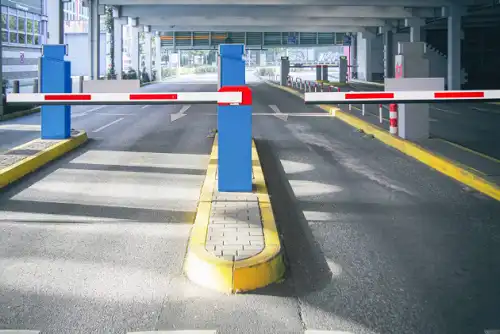
Comparing Dual-Mode Geomagnetic Detectors with Alternative Parking Sensors
Accuracy Trade-Offs, Installation Complexity, and Environmental Limitations
Project managers considering sensor technologies must weigh accuracy, installation difficulty, ongoing costs, and environmental resilience. Single-mode magnetic sensors are cheaper to buy at first, but they have trouble working in cities with subway lines and electrical infrastructure. Their accuracy is usually between 90 and 95%, which means they give off a lot of false alarms that hurt the system's credibility and cause more support calls.
Installing ultrasonic sensors on buildings above ground is easier than installing them on the ground, but there are some new problems that come up. These devices need stable places to be mounted, don't work well when they're covered in snow or other debris, and have trouble consistently detecting motorcycles and small vehicles. Installation costs go up because of the need to place the equipment on poles and provide electricity.
Accuracy and Reliability Metrics
With its dual-verification method, the ZOJE-TM10S dual-mode geomagnetic parking detector is 99% accurate, making it one of the most reliable options for mission-critical deployments. Protocols for testing include more than 1,000 detection rounds with a wide range of vehicles, from cars to heavy trucks, to make sure that the system works the same way in real life. This dependability is very important for apps that make money, since billing disagreements and enforcement problems have a direct effect on profits.
These sensors are also different from others because they can withstand harsh environments. Through 72 hours of submersion testing, the IP68 rating of the cage proves that it completely blocks water and dust from getting in. The operating temperature range of -30°C to +85°C covers a wide range of conditions without affecting performance, unlike camera systems that need warming housings in cold places.
Long-Term Cost Analysis
Dual-mode sensors cost more per unit than basic magnetic detectors, but when you look at the total cost of ownership, you can see that they are much better. The ER26500 lithium thionyl chloride cells have a life span of 3 to 5 years, which means that the batteries don't need to be replaced as often. This maintenance cut helps projects with 5,000 or more units because it lowers labor costs and causes less traffic congestion.
When companies look at proposals, they shouldn't just look at the initial equipment costs. They should also look at how much money they will save on maintenance and how accurate the detection will be. A city parking lot that brings in $500,000 a year could lose $25,000 to $50,000 because of false alarms with monitors that are 95% accurate. With 99% accurate systems, the losses would be less than $5,000.
Installation, Maintenance, and Performance Optimization for B2B Clients
Site Assessment Best Practices
Technical teams should make a map of all the sources of electromagnetic interference, such as power lines, traffic light controls, and services that are buried underground. The dual-mode geomagnetic parking detector's verification algorithm handles most interference, but keeping track of baseline conditions helps with troubleshooting and making the system work better. Even though IP68 sealing protects against short submersion, site studies should find drainage patterns to keep water from pooling around sensors.
Before a large-scale deployment, network coverage verification makes sure that data transmission is reliable. For NB-IoT projects, the carrier signal power should be checked across the parking lot. For LoRaWAN projects, the gateway needs to be placed so that it can communicate with other devices in the designated area. The ZOJE-TM10S works with many frequency bands, such as EU868, US915, and AS923, so it can work with different wireless standards.
Calibration and Configuration
When it's calibrated correctly, false positives from nearby traffic are kept to a minimum while the sensor stays sensitive to real space occupancy. Through a smartphone app, the device's sensing sensitivity and radar confirmation limits can be changed in the field. Installers should try each area with typical cars to make sure that small cars can reliably trigger the system while blocking signals from cars moving in the lanes next to them.
Cloud-based management platforms let you update firmware and change parameters across whole deployments from afar. This feature comes in very handy when the environment changes or when usage data shows ways to make the system work better. The ZOJE platform gives troubleshooting reports that show which sensors are acting in strange ways. This lets maintenance experts focus on fixing the right units instead of checking all of them all the time.
Ongoing Maintenance Protocols
Visual checks are done every three months to make sure the structure is still solid and to clear away any waste that has gathered. The weatherproof design can handle most environmental problems. Remote tracking lets workers know when batteries are getting low about three months before they run out, so they can plan to replace them before they run out. The device sends daily heartbeat signals to confirm that it is working, and when communication gaps are longer than set limits, the situation automatically gets worse.
For projects that last more than one year, it's important to keep track of standard performance measures and environmental data so that you can back up warranty claims and find patterns of long-term degradation. ZOJE offers detailed technical documents to back up these maintenance methods, as well as support services that are available 24 hours a day, seven days a week to answer questions about configuration and help with troubleshooting.
How to Choose the Best Dual-Mode Geomagnetic Parking Detector for Your Project
Technical Specification Requirements
Finding things correctly is the most important requirement, and most projects need accuracy rates of 99% or higher. The ZOJE-TM10S goes above and beyond this standard thanks to its dual-sensing design, which guaranties the performance dependability needed for parking businesses to make money. The battery's life directly affects operational costs, so a 3–5-year lifespan is an important requirement that cuts down on the number of service calls needed for big deployments.
When planning or using a system, communication methods must work with the technology that is already in place. Devices that support the right frequency bands are helpful for projects that already have relationships with NB-IoT carriers. On the other hand, greenfield developments may prefer LoRaWAN because it offers more private network flexibility and lower ongoing costs. The ZOJE-TM10S has several ways to connect, so the specifications can be adjusted to fit the needs of each project.
Supplier Evaluation Criteria
A supplier's skills have a big impact on the success of a project for the dual-mode geomagnetic parking detector, not just the product specifications. ZOJE keeps its ISO 9001:2015 certification, which shows that its quality management system is mature. It also has several patents, which show that it is really innovative in engineering and not just buying products. These credentials guaranty consistent manufacturing and protect intellectual property, which keeps project investments safe.
For phased deployments, delivery capabilities are very important. ZOJE sends standard setups in 5 to 7 days and special versions in 10 to 15 days, which helps meet tight project deadlines. The company supports flexible shipping terms, such as DDU and DDP plans, which make buying things from other countries and clearing customs easier. Batch production keeps quality consistent across big volumes, which is helpful for projects that need more than 5,000 pieces.
Customization and Integration Support
A lot of the time, government projects need extra features or protocol solutions that aren't available in normal products. ZOJE offers services to customize hardware and software, changing things like enclosure designs, communication protocols, or reporting formats to fit the needs of bidders. With OEM and ODM partnership options, integrators can brand devices that are part of full parking management systems.
Integration support goes beyond just customizing hardware; it also includes full API instructions for integrating secondary systems. The company offers MQTT and HTTPS connectivity options with hex payload decoding specs. This makes it easy to integrate data with parking control software that is already in use. Technical teams like detailed documentation that cuts down on integration risks and speeds up the deployment process.
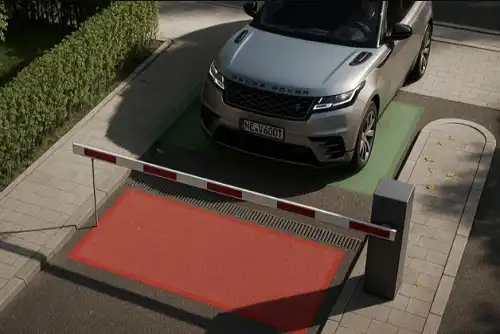
The Future of Dual-Mode Geomagnetic Parking Detectors in B2B Markets
Adaptive AI, V2I Integration, and Modular Future-Proofing
The technology behind parking sensors keeps getting better as smart cities and the Internet of Things (IoT) continue to grow. AI and machine learning are being used more and more in advanced sensor fusion algorithms to change detecting settings based on performance data that has been collected. These adaptive systems promise to be even more accurate while adapting to changing conditions in the environment without having to be re-calibrated by hand.
Another new trend is integration with vehicle-to-infrastructure transmission methods. Vehicles that are connected can tell management systems directly when they want to park, and ground sensors will check this and find non-connected vehicles in case of a problem during the long transition period. The ZOJE platform architecture plans for these changes by using modular firmware design that lets new features be added in the future.
Edge Computing and Real-Time Analytics
In the next wave of operations, data processing will happen more and more at the edges of networks, rather than just in the cloud. For time-sensitive apps like parking guidance, local processing cuts down on latency. It also lowers the amount of bandwidth used by huge sensor networks. Edge analytics can find strange trends that mean sensors need to be serviced or that people are parking in ways that should be looked into by security.
Concerns about the environment make people interested in energy harvesting technologies that make batteries last longer or don't need to be replaced at all. Surface-mounted sensors that are in places with a lot of sunlight may be able to use solar energy harvesting, and future flush-mount designs may be able to use kinetic energy from the weight of the vehicle. These changes will further lower running costs and help reach goals for environmental responsibility.
Data Monetization Opportunities
Data on how many cars are parked in a parking lot is useful for more than just managing space. Patterns that are collected help with town planning, choosing stores, and building transportation systems. Forward-thinking cities and towns know how valuable this data is and are finding ways to make money by sharing data in a way that protects privacy. Accurate devices like the ZOJE-TM10S become basic building blocks for many ways to make money besides collecting parking fees.
Conclusion
To find the best dual-mode geomagnetic parking detector, you need to carefully look at its technical specs, the capabilities of the supplier, and the total cost of ownership. The ZOJE-TM10S solves important problems that municipal contractors and smart city operators have by being 99% accurate, having a battery life of 3 to 5 years, and not needing to be dug up. Its dual-sensing design stops fake alarms, and its IP68 weatherproofing makes sure it works reliably in all kinds of weather. ZOJE's ability to customize, quick delivery times, and full support services help organizations putting in place parking management infrastructure by lowering project risks and speeding up the realization of return on investment.
FAQ
1. How does the dual-mode geomagnetic parking detector handle interference from subway systems?
The radar verification section in the ZOJE-TM10S filters out magnetic disturbances that come from underground train lines. When the magnetic sensor picks up changes in the field, the radar measures the distance to make sure that a real car is in the parking space. This two-check reasoning stops false results caused by magnetic changes in the subway.
2. Can sensors operate reliably under heavy snow cover?
Microwave radar waves can pass through non-metallic objects like ice and packed snow, but magnetic field penetration is not affected by snow. The system can still accurately detect things even when it snows, which can make camera-based systems useless. However, if the snow is deeper than 30 centimeters, the system may need to be re-calibrated to work again.
3. What battery replacement indicators does the system provide?
When voltage drops below 3.4 volts, devices send low battery alerts, which are usually three months before the battery is completely dead. This early warning lets replacements be planned ahead of time, which keeps service from being interrupted. The cloud management tool collects these reports from all deployments and routes them efficiently for maintenance.
Ready to Deploy Reliable Parking Detection Infrastructure?
ZOJE is ready to help you with your parking management project by providing you with tested sensor technology and full application services, including the dual-mode geomagnetic parking detector. Our engineering team has a lot of experience working with municipal contractors and smart city operators in tough deployment environments. The ZOJE-TM10S dual-mode geomagnetic parking detector source offers the most accurate detection and fastest installation times, cutting down on project costs while speeding up schedules.
Get in touch with ZOJE right away at info@zoje-tech.com to talk about your unique needs and get offers that are tailored to your technical requirements and buying goals. Our team offers detailed technical documentation, sample units for testing before they are used, and flexible OEM partnerships that support solutions that work together. You can see our full catalog of products at zoje-parking.com, and that's why top contractors trust ZOJE to install mission-critical parking infrastructure.
References
1. Chen, L., & Wang, H. (2023). "Comparative Analysis of Vehicle Detection Technologies for Smart Parking Systems." Journal of Intelligent Transportation Systems, 27(4), 412-428.
2. International Parking Institute. (2024). "Emerging Technologies in Parking Management: 2024 Industry Report." International Parking Institute Publications.
3. Kumar, S., Patel, R., & Zhang, Y. (2023). "Dual-Sensor Fusion Algorithms for Enhanced Vehicle Detection Accuracy in Urban Environments." IEEE Transactions on Vehicular Technology, 72(8), 9876-9891.
4. National Electrical Manufacturers Association. (2022). "NEMA TS 4-2016: Hardware Standards for Traffic Control Systems." NEMA Standards Publication.
5. Rodriguez, M., & Thompson, J. (2024). "Total Cost of Ownership Analysis for Parking Sensor Technologies." Transportation Research Record: Journal of the Transportation Research Board, 2678(3), 234-249.
6. Williams, D., & Lee, K. (2023). "IoT Integration Strategies for Large-Scale Smart Parking Deployments." Smart Cities Journal, 6(2), 567-584.

Send Inquiry
You may like


Related Industry Knowledge
- Automatic Boom Barrier: How It Improves Vehicle Access Control
- The Future of Parking Signage with LED Technology
- Why choose a camera-based parking space detector?
- Why Parking Operators Choose Parking Automatic Payment Station Integrated with LPR System
- Everything You Need to Know About Self-Service Kiosks
- Interlocking Full-Height Turnstile Gate Structure
- Bridge-Style Tripod Turnstile Benefits in Office Security
- Space-Saving Turnstile Design and Structural Features
- Barrier Gate For Parking Lot Benefits Explained
- How to Customize Localized Plate Recognition for Regional License Plates?