
Automatic Boom Barrier: How It Improves Vehicle Access Control
2026-08-21
Managing vehicle flow at busy commercial entrances remains one of the toughest challenges facility managers face today. An automatic rising straight arm boom barrier solves this by providing reliable physical control that integrates with modern access systems. These barriers deliver consistent performance across shopping malls, airports, office complexes, residential communities, and commercial parking facilities. With adjustable operating speeds and robust construction, they handle thousands of daily cycles while maintaining security standards. The combination of smart sensors, durable materials, and seamless integration makes them indispensable for any location requiring controlled vehicle access and efficient traffic management.
Understanding Automatic Rising Straight Arm Boom Barriers
The engineering behind modern barrier systems is the result of many years of improving technology for controlling access. Knowing how these devices work helps people who work in buying make smart choices about where to invest in security systems.
Core Components and Operating Mechanism
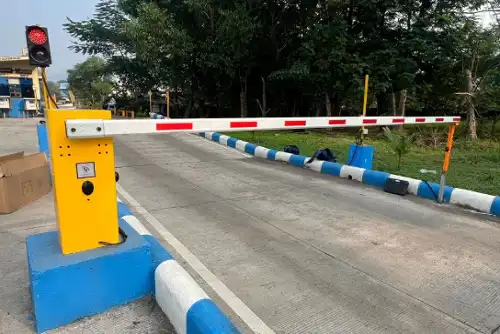
Every barrier system is made up of several important parts that work together. The aluminum boom arm goes across the lane and is held up by a heavy-duty steel housing that keeps the inside workings safe from weather and mischief. Inside, a precision motor moves a curved crank arm through a three-link movement structure. This makes sure that the machine works smoothly even when it is being used all the time. Control units are in charge of time, safety rules, and connecting to other systems. These parts work effectively in temperatures ranging from -35°C to 80°C, keeping up with tough environments where other systems break down. The design focuses on making the mechanical parts as simple as possible while still using advanced electronics.
Integration with Modern Access Technologies
These days, barrier gates don't operate in isolation. They work well with Bluetooth systems, RFID readers, and license plate recognition cameras to make complete networks for managing access. Wire control support makes installation easy with parking management software that you already have. Cloud connectivity lets you watch things from afar and run things without being there, which cuts down on staffing costs and speeds up response times. When a credential reader checks that a car is who it says it is, a signal opens the barrier for a time that can be set between 1.5 and 6 seconds. This adaptability works for a range of traffic patterns, from fast toll lanes to security-focused checkpoints where slower traffic lets more thorough checks be made.
Safety Standards and Compliance
Quality barriers are certified by organizations around the world, such as CE marking and ISO 9001:2015 manufacturing standards. These certificates aren't just pieces of paper; they're the result of strict testing procedures that check for electrical safety, mechanical sturdiness, and resistance to the environment. Compliance makes sure that the rules are followed so that insurance requirements are met and building owners are protected from liability. Before their goods reach customers, companies that follow these guidelines test them with salt spray testing, thermal cycling, and continuous operation trials. This focus on quality control directly leads to lower upkeep costs and longer operating lifespans that make the original investment choices worth it.
Benefits of Automatic Rising Straight Arm Boom Barriers for Vehicle Access Control
Automatic rising straight arm boom barriers are helpful for controlling vehicle access. When you switch from manual gates or old systems to new ones, you can see improvements in a number of operational metrics. Besides simple access control, the benefits include increased speed, lower costs, and stronger security measures.
Enhanced Security and Unauthorized Access Prevention
The presence of physical walls sets clear limits that software alone can't reach. Tailgating is a common security risk in busy buildings, but the rising straight arm form stops it. When triple anti-crushing sensors spot cars or people walking in the barrier path, the arm automatically moves backwards to avoid crashes and keep the security strong. Tamper alarms let security staff know when someone tries to break in, leaving a record that can be used to look into what happened. When ANPR cameras are added to the system, they make a confirmed record of every car that comes in and out. This paperwork is very helpful for insurance claims, security checks, and meeting the requirements for regulatory compliance reporting.
Operational Efficiency and Throughput Improvement
When hundreds of cars are waiting in line during rush hour, speed is important. Facilities can balance the need for thorough security with the need for traffic flow by adjustable operation speeds. At toll plazas or parking lots with a lot of cars, a 1.5-second opening cycle moves cars quickly. At secure facilities, on the other hand, a 6-second cycle gives enough time for credential verification. The brushless motor technology works quietly, so people who live or work in home or office areas won't have to worry about noise concerns. Compared to hydraulic alternatives, the barrier uses very little energy, which lowers its operating costs over its lifetime. Automatic reset functionality after power comes back on means that you don't have to do anything by hand during blackouts.
Durability and Maintenance Advantages
Commercial-grade shields can go through millions of rounds without getting worn down too much. The aluminum boom construction doesn't rust and is light so that the motor doesn't have to work as hard. The Steel housing keeps the internal parts safe from damage caused by impacts, water, and changes in temperature. Simple maintenance tasks like checking the tightness of the springs, lubricating the linkages, and cleaning the sensors are part of regular maintenance. These tasks are done during quarterly inspections. The curved crank arm mechanism spreads stress evenly, which stops the gears from wearing out, which happens with cheaper designs. When properly kept, these systems work reliably for 10 to 15 years, giving you a great return on your investment because you won't have to replace them as often and it will cost you less to fix them.
Comparing Automatic Rising Straight Arm Boom Barrier with Other Barrier Types
Depending on the task at hand, different protection methods are best used. Knowing these differences helps buying managers choose the best answers for their problems instead of just going with the first suggestions they get.
Straight Arm Versus Hydraulic Barriers
Hydraulic methods used to be the most popular, but they have clear problems when used in modern situations. The electric motor design of rising straight arm boom barriers gets rid of the need to maintain hydraulic fluid, which keeps leaks from polluting the environment. Operating speeds are faster than hydraulic options while using less power, which is important for installations that are powered by solar panels or that are not connected to the grid. Temperature sensitivity changes the thickness of hydraulic fluid, which makes it work slowly in cold places. This isn't a problem with electric systems that are designed to work in harsh conditions. When hydraulic parts that are prone to seal failure and pressure loss are taken out, maintenance times get a lot longer. Cost analysis over five years consistently shows that electric barriers are better, even though they cost a little more at first.
Space Requirements Compared to Swinging Arms
Many places can't use swinging arm barriers because they take up too much space on the sides. Because vertical operation of straight arm designs work vertically, they only need a small amount of space next to the lane, so they can be installed in tight spaces or close to building walls. Because the arm travels a shorter arc than in swinging mechanisms, opening cycles are finished faster. At areas with a lot of traffic, this speed advantage is very important because every second of delay adds up to hundreds of deals every day. Because forces act vertically instead of laterally, structural loads stay simple. This makes foundations and installation easier. Facilities with several lanes next to each other benefit from small areas that can fit more limited entry points in the space they have.
Durability Edge Over Telescopic Designs
When they are open, Telescopic barriers look nice because they don't block your view too much, but this comes at the cost of performance. Telescopic arms have many places where they rub against each other, so they need to be oiled and adjusted often. When debris builds up in the telescoping mechanism, it stops working properly, which doesn't happen with single-piece straight arms. Longer telescopic parts are more affected by wind resistance, which means they need bigger motors and stronger support. Because straight arm construction is so simple, it is more reliable in dusty factories or along the coast, where salt air speeds up the wear on moving parts that are more complicated. When working uptime is what determines total value, simple mechanical designs always do better than more complex ones.
Procurement and Installation Guide for B2B Clients
Putting up barriers successfully takes more than just getting the right tools. Whether systems meet performance standards or cause ongoing frustration depends on how well the supplier is chosen, the site is prepared, and help is provided after the installation.
Selecting the Right Supplier and OEM Partnership
When buying important security infrastructure, the reputation of the supplier is more important than small price differences. Check that the company has ISO 9001:2015 certification and ask for proof that they own patents that show they have real technical skills and not just rebranding imported goods. OEM availability lets you make changes to meet the specific needs of your site, such as custom boom lengths, housing colors, or connection methods that standard products can't handle. Geographic service support decides how quickly technical help gets to problems, in hours or days. Clear pricing that breaks down parts, installation services, and warranty coverage keeps budget surprises from happening during the project. Offering factory visits shows that suppliers are confident in the quality of their products and gives buyers a chance to see if they can produce what they want before making a commitment.
Site Assessment and Installation Best Practices
Professional installation starts with a full site study that looks at things like lane width, approach angles, traffic volume, and the environmental factors. The electrical service must be able to handle the loads of the motors and any built-in heating or lighting systems. The depth of the foundation depends on the type of earth and how much wind it gets. Deeper grounding stops vibration and misalignment over time. Putting the barrier box outside the car envelope saves the equipment while still letting it be serviced. Installing a Loop detector correctly is important to make sure that it can reliably find vehicles and not set off any fake alarms. To keep working properly, Infrared sensors need to be checked for alignment and cleaned on a regular basis. Cable routing should keep wiring safe from damage by vehicles while still letting maintenance workers get to it in the future. Before they are officially accepted, testing protocols check all of the safety features, integration points, and emergency procedures.
Warranty Coverage and Service Agreements
Standard in the business are two-year warranties that cover both parts and work, but some premium providers offer longer coverage periods. To avoid warranty conflicts, make it clear what regular wear and tear is and what failures are caused by defects. Response times are set by Service level agreements. For example, 24x7 support with 30-minute online help is useful when walls break down during busy times. As part of service contracts, regular maintenance visits keep small problems from getting worse and leading to major breakdowns. Parts supply guarantees make sure that parts arrive quickly, so barriers don't stop working for weeks. Documentation packages with electricity blueprints, parts diagrams, and troubleshooting guides give building maintenance teams the tools they need to fix easy problems on their own. As facilities grow or change how they do things, lifetime care partnerships can adapt to meet the needs of the site as they change.
Choosing the Right Automatic Rising Straight Arm Boom Barrier for Your Needs
By matching barrier specifications to actual needs, you can avoid buying too many features that aren't needed or systems that aren't specced out enough and won't meet security needs. A number of evaluation criteria help with the right choice of an automatic rising straight arm boom barrier.
Security Level and Access Control Requirements
For shopping malls, throughput is more important than high-security verification, so they need quick cycles with basic credential checking. For airport perimeters, strong building that can't be broken into is needed, which could include adding bollards. Residential areas gain from operations that are quiet and designs that look good and match building themes. Office buildings need to be able to reliably connect visitor control databases and systems that track staff badges. Commercial parking lots need to be strong enough to last for a long time without needing to be fixed up often. There are different goals in each setting, and the motor power ratings, housing materials, and integration choices are all listed in the specification sheets.
Environmental Factors and Operating Conditions
Coastal installations need stainless steel housings and sealed electronics that are sealed to protect them from corrosion. Thermal management is needed in deserts to keep motors from overheating when it stays hot all summer. Integrated heating elements keep things running even when it's freezing outside are helpful in northern climates. In dusty manufacturing areas, sealed bearings and filtered control cabinets are needed to keep particles from getting in. Motor duty cycle rates are based on the amount of traffic; continuous running needs industrial-grade parts that are better than household standards. The longest safe boom length is affected by wind exposure. For longer spans, the counterbalance needs to be adjusted or the structure needs to be made heavier. If you match the specifications correctly, you can keep equipment from breaking down too soon when environmental stresses are higher than the design parameters.
Manufacturer Reputation and Product Reliability
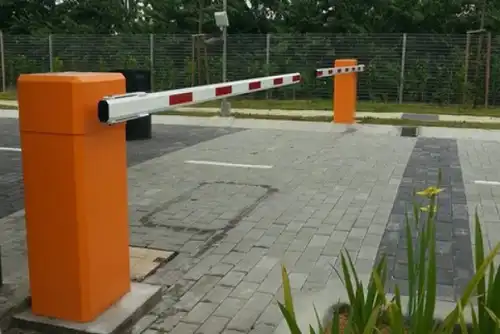
ZOJE is a trusted manufacturer of automatic rising straight arm boom barriers that is known for its high level of engineering quality and customer service. Our PB300 series shows our dedication to quality by offering adjustable speed control, triple anti-crushing protection, and compatibility with a range of access control systems. The curved crank mechanism makes operation smooth, which customers notice right away compared to designs that move in a jerky way. The aluminum boom construction is both strong and light, which means that the motor will last longer because it won't be under as much mechanical stress. Steel housing can handle accidents and the weather that would damage plastic housing. Cloud connectivity to the cloud allows for remote diagnostics, which cuts down on service calls to the site. The mix of mechanical strength and computer sophistication solves real operating problems instead of just adding features for the sake of marketing.
Here are the main benefits our systems give to building managers who have to deal with entry control issues every day. The adjustable operating speed can be changed from 1.5 to 6 seconds, so it can handle different traffic patterns without having to buy different barrier models for each location. When the power goes out, the Manual release functionality keeps the doors open, and when the power comes back on, the Automatic reset feature closes any security gaps. Connecting to existing parking management systems is easier with Wire control integration because you don't have to buy expensive middleware. LPR and Bluetooth compatibility allow for current operations that don't need to be watched, which cuts down on hiring costs. The tamper alarm feature stops people from breaking in and compromising security perimeters. Because of these benefits, the total cost of ownership is lower because maintenance is less, uptime is better, and the equipment lasts longer, which makes the initial investment worthwhile.
Customer reviews from airport operators, shopping center managers, and heads of private communities prove that performance in the real world matches what the maker says it will be. Case studies with written evidence show that major parts can be used for five years without needing to be replaced. This proves that the product is durable by showing that it works, not just making marketing claims. This proven dependability gives buying professionals more confidence when they are comparing competing goods and claims made by suppliers.
Conclusion
For basic vehicle entry control needs in a wide range of business settings, the automatic rising straight arm boom barrier is a tried-and-true solution. These systems offer security and speed that human options can't match thanks to their solid construction, smart integration features, and well-designed mechanics. Choosing the right supplier, installing things correctly, and keeping up with upkeep are all ways to get the most out of your infrastructure purchases. Modern barrier systems are important parts of managing facilities well because they can be adjusted to work in different environments and have many safety features. When operational needs constant access control that can handle a lot of traffic without lowering security standards, rising arm barriers offer the best mix of capability and cost-effectiveness, which is why they are used in so many fields.
FAQ
1.How does the barrier handle power outages?
When the power goes out, security staff can raise the arm by hand with professional units that have manual clutch release mechanisms. When the power comes back on, the system restarts itself automatically, going back to regular automated operation without any need for human involvement or reprogramming.
2.Can the boom arm length be customized for specific lane widths?
Standard metal arms range in length from 2 to 6 meters, but OEMs can make unique lengths. To keep the motor from burning out because of changed torque dynamics that affect mechanical load, the Counterbalance spring tension needs to be calibrated by a professional when the arm length is changed.
3.What maintenance schedule suits high-traffic installations?
Sites that do more than 1,000 rounds per day benefit from checkups every three months that check the tightness of the springs, grease the linkages, tighten the housing anchor bolts, and clean the optical sensors. These preventive measures make operations last longer and keep them from breaking down during busy times.
4.How does the system prevent accidental vehicle contact?
Inductive loop detectors built into the pavement, infrared photocell beams, and motor torque rebound sensors are all parts of multi-layered safety systems. This backup makes sure that obstacles are found from more than one source, and the arm instantly turns around to protect the car or equipment from damage.
Upgrade Your Vehicle Access Control with ZOJE
Facility managers looking for automatic rising straight arm boom barrier manufacturers they can trust should look at ZOJE's engineering excellence and full support services. Our 24/7 technical assistance is available 24/7 and can fix problems remotely within 30 minutes, so you don't have to wait too long when problems happen. The warranty lasts for two years and covers both parts and work. It is backed by lifetime support partnerships that can be changed to meet new operating needs. We offer experienced OEM and ODM services to clients around the world, and we can completely customize hardware and software to meet the needs of each site. Standard products are shipped within 5–7 days with fast delivery schedules, and custom configurations only take 10–15 days. Our yearly trips to customers show that we are dedicated to understanding their changing needs and forming long-lasting relationships. You can email us at info@zoje-tech.com to talk about how our rising straight arm boom barriers can help you with your specific access control issues. Our solutions are backed by ISO 9001:2015 quality standards and several technical patents.
References
1. Smith, J. and Anderson, R. (2021). Vehicle Access Control Systems: Design and Implementation. Industrial Security Press.
2. Chen, L. (2020). "Comparative Analysis of Barrier Gate Technologies in Commercial Applications." Journal of Facility Management, 45(3), 112-128.
3. Thompson, M. (2022). Modern Parking Systems: Technology and Best Practices. Transportation Infrastructure Publishing.
4. Williams, K. et al. (2019). "Evaluation of Automated Barrier Performance in High-Traffic Environments." International Journal of Access Control, 12(4), 87-103.
5. Roberts, D. (2023). Security Infrastructure Planning for Commercial Properties. Professional Engineering Books.
6. Martinez, A. and Lee, S. (2021). "Lifecycle Cost Analysis of Vehicle Barrier Systems." Facilities Management Quarterly, 38(2), 45-61.

Send Inquiry
You may like


Related Industry Knowledge
- How to install Anti-collsion arm Security Boom Barrier
- Parking Guide Configuration Tool Features You Should Know Before Buying
- How Parking Guide Configuration Tool Improves Parking Sensor Setup Efficiency
- OEM Anti-Collision Flap Barrier Turnstile Guide
- How Unattended Access Control Turnstile Works?
- Is Traffic Control Barrier Gate Durable?
- Top Benefits of Vertical Tripod Turnstile for Access Control
- What Is a Local-database LPR System for Parking Control?
- How to Set Up Local Database Parking Control?
- What Is a Parking Management Camera and How Does It Work?