
How to install Anti-collsion arm Security Boom Barrier
2026-08-21
Installing an anti-collsion arm security boom barrier necessitates meticulous planning, perfect execution, and strict attention to safety procedures. This sophisticated entry control system has a swing-out mechanism that protects both equipment and cars from costly damage during an unexpected collision. The boom arm disengages and swings horizontally instead of sending destructive force to the motor assembly, which lowers maintenance costs and improves operating dependability. This guide will follow you thru each stage of installation, from site preparation to final calibration, ensuring that your barrier system performs optimally in shopping malls, airports, residential areas, office complexes, and commercial parking facilities.
Understanding Anti-Collision Arm Security Boom Barriers
Anti-collsion arm security boom barriers are a big step forward in the technology used to control car entry. These advanced systems have a breakaway boom holder mechanism that serves as a mechanical safety fuse. This is different from traditional rigid barriers that send impact energy straight to internal gears and motor shafts.
What Defines These Advanced Barriers
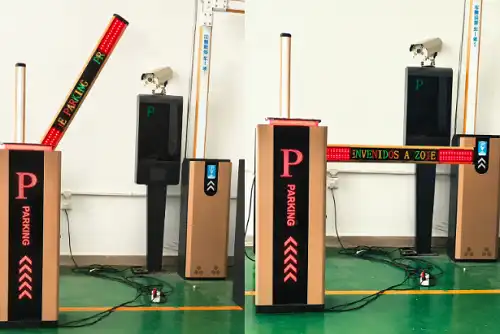
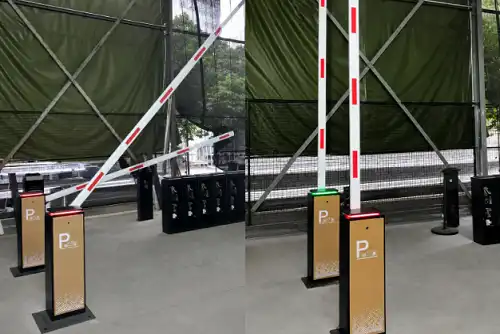
The swing-out design is what makes it new. When a vehicle hits the barrier arm by accident, the holder lets go of the tension, which lets the boom turn about 90 degrees horizontally. This smart move saves your investment in the barrier hardware while also lowering your responsibility for damage to vehicles' bodies. The system is set up to handle environmental forces like wind loads up to Grade 6 without disengaging too soon. However, it releases right away when the lateral shear force is more than 30 kilograms.
Core Components and Construction
Modern collision-prevention barriers are made up of several sophisticated sections. The boom arm is made of high-strength aluminum (6063-T5). It contains internal reinforcing plates to maintain the construction sturdy while being lightweight. This material reduces the torque required by the motor while increasing its useful life. The housing cabinet is built of cold-rolled steel, making it extremely stable in temperatures ranging from -35°C to 80°C. This implies it may be used outside in tough situations across the United States.
DC brushless motor technology is usually used in the drive system, which lets you change the speed of action between 1.5 and 6 seconds. This gives facility managers the freedom to balance the safety of visitors with the flow of traffic. Intelligent current-sensing technology starts the auto-reverse function before a mechanical collision happens. This adds another layer of protection on top of the inactive swing-out arm.
Operational Advantages Over Traditional Barriers
When procurement workers look at barrier systems, they should know what the real rewards are. When vehicles hit traditional barriers, they often need expensive new motors, and the barriers are shut down for several days while parts and technicians are sourced. Anti-collision systems let security staff manually reset the arm by pushing it back into the holder clip. This can be done without any tools and the system is back up and running in minutes. This ability to quickly recover means less downtime and lower total cost of ownership, especially in business apps with a lot of traffic, where every minute of downtime hurts sales and customer satisfaction.
Preparing for Installation: Tools, Site Requirements, and Safety Standards
Preparation is key to a successful operation and long-term system function. When this step is rushed, it's common for expensive repairs, alignment problems, and parts to break early.
Essential Tools and Materials
Standard electrical tools like wire strippers, crimping tools, a multimeter, and insulated screwdrivers that are rated for the voltage levels in your building will be needed by the people installing the equipment. For mechanical installation, you'll need a concrete drill with masonry bits, anchor bolt sets that match the mounting template for the barrier, leveling tools, and torque wrenches to make sure the screws are tight enough according to the manufacturer's instructions. Each ZOJE barrier system comes with full installation instructions, including exact torque values and wiring plans for your model.
You should buy the right tubing to protect your electrical wire, weatherproof junction boxes with an IP65 rating or higher for outdoor installs, and cable glands that are the right size for your power and control lines. Before installing the barrier, buildings that want to connect it to their current access control systems should make sure that it works with License Plate Recognition (LPR) systems, loop monitors, or proximity card readers.
Site Assessment and Foundation Requirements
The installation site must have a sturdy, flat concrete foundation that is at least 150 mm thick and has a compression strength more than 25 MPa. To uniformly distribute the weight, the base should be at least 100 millimeters longer on all sides than the barrier cabinet's dimensions. Uneven surfaces or weak foundations might reduce the barrier's stability, resulting in motor strain and early wear.
Clearances in space are very important. The barrier needs a boom arm swing radius that is not blocked. This radius is usually between 3 and 6 meters, but it depends on the arm length you choose. If your building serves commercial trucks or buses, make sure there is enough space above for tall vehicles. Electrical service should be located within 5 meters of the placement site and provide dedicated circuit protection that is rated for the amount of power the barrier will use, which is usually 220VAC single-phase or 110VAC, based on the standards in the area.
Safety Standards and Compliance Considerations
Installation must follow the safety rules that apply to automated gate systems. In the US, UL 325 standards spell out the requirements for vehicular gate operators, including how to keep people from getting trapped and how reliable the controls must be. Article 680 of the National Electrical Code (NEC) and local building codes spell out how to install electricity. The right certifications should be on your barrier system, and the installation paperwork should be kept for future inspections.
It is necessary to have good balance. The barrier cabinet needs to be linked to earth ground using a special grounding conductor. This keeps workers safe from electrical dangers and stops voltage differences that could damage electronics that are built in. Lightning protection may be a good idea in places where thunderstorms happen often, especially for installations that will be exposed, like around airports or on top of parking garages.
Step-by-Step Installation Guide for Anti-Collision Arm Security Boom Barriers
Systematic installation procedures make sure that your anti-collsion arm security boom barrier system works reliably from the first day it is put in place and for the full 3 million operational cycles that are recommended.
Unboxing and Component Inspection
Carefully take everything out of the box and compare what's inside to the packing list. Check the cabinet case for damage from shipping and make sure the powder-coated surface doesn't have any big scratches or dents that could make it less weatherproof. Check that the boom arm is straight and that the swing-out holder device can move freely without getting stuck. Check the electrical parts, like the motor unit, control board, and any monitors or safety devices that are built in.
If there is damage, take pictures of it right away and call your provider before moving forward. ZOJE makes sure of the highest quality through ISO 9001:2015-certified manufacturing processes. However, problems can happen during shipping, which are covered by the warranty if reported quickly.
Foundation Preparation and Mechanical Mounting
Use the mounting pattern that came with the barrier cabinet to mark where it will go. Make sure that the cabinet is square to the traffic lane and that the boom arm is straight across from the way that the vehicles are traveling. Use the right-sized brick bits to drill anchor holes to the required depth, which is usually 120 to 150 millimeters. To make sure anchor bolts work as well as they're supposed to, clean out holes with compressed air or a vacuum.
Place the cabinet and use a precision spirit level to make sure it is level in both directions. Mounting that isn't level puts different amounts of stress on the motor shaft, which can cause the arm to move in strange ways. Tighten the expansion anchor bolts on the cabinet in a cross-pattern to the pressure level listed in the installation instructions. Most setups need torque values between 40 and 60 Newton-meters, but you should always check with the manufacturer's instructions for your model to be sure.
Electrical Wiring and Control Integration
Connect power and control wiring according to diagrams, using proper sealing methods to maintain outdoor protection. Ensure signal compatibility with parking systems, LPR, Bluetooth readers, and cloud platforms. Configure control settings for speed, safety, and access needs. Enable anti-crushing features, including pressure monitoring, current detection, and swing-out protection for reliable operation.
Boom Arm Installation and Balance Adjustment
Using the swing-out clamp, connect the boom arm to the output shaft. This important part needs to be properly tensioned so that it can withstand forces from the environment and still release reliably when it hits something. It is important to set the friction clip or magnetic holder so that the arm stays in place during normal use but easily comes loose when the lateral force goes over the set threshold.
Use the movable spring device inside the cabinet to keep the boom arm level. Having the right balance lowers the load on the motor and greatly increases the life of its parts. When the machine is turned off, the arm should stay flat on the ground, not rising or falling under its own weight. This middle balance point makes sure that the motor only uses energy to speed up and slow down, not to fight gravity all the time. This is especially important for barriers that are used all the time in areas with a lot of traffic.
Initial Testing and Sensor Calibration
Initial testing should verify smooth barrier movement, stable operation, and correct mechanical installation. Check the auto-reverse function by testing obstacle detection and swing-out release performance. Calibrate safety sensors such as photocells and loop monitors to ensure complete coverage. Adjust closing delays according to application needs, balancing security, convenience, and user safety.
Troubleshooting Common Installation Issues
Systematic troubleshooting helps resolve installation issues quickly. If the barrier arm fails to move, check power connections, circuit protection, and safety inputs. Unstable movement may result from loose wiring or insufficient power supply. Adjust swing-out holder tension when activation is incorrect, and recalibrate systems affected by temperature changes or coastal environments to maintain reliable operation.
Maintenance and Troubleshooting Tips to Ensure Long-Term Performance
Maintenance that is done before it breaks down protects your investment and keeps your facility running smoothly and keeps users from getting frustrated.
Routine Maintenance Procedures
Routine maintenance includes: quarterly boom arm, fasteners and swing-out mechanism checks, proper lubrication of moving parts. Clean sensors and photocells regularly to ensure reliable recognition and safety performance. Electrical connections should be checked for looseness or corrosion every 6 months. Regular evaluation of the release force contributes to the stability of the barrier and to the proper reaction in collisions.
Diagnosing Mechanical and Electrical Faults
Systematic diagnosis helps identify faults quickly. Improper boom balance, motor overheating, and abnormal noise may indicate spring or drive issues. Loose connections, aging components, or control board failures can cause intermittent operation. Sensor problems often result from interference, contamination, or misalignment. Regular checks, adjustments, and proper replacement parts help maintain reliable anti-collsion arm security boom barrier performance.
When to Engage Professional Service
For complex issues such as motor controllers, system integration or structural challenges, an expert should be consulted. 24-7 online assistance and a two-year guaranty with expert aid are available from ZOJE. Regular service visits provide an opportunity to discover probable problems, optimise performance and recommend improvements. This shows that we see our relationship as a partnership for the long term, with the aim of continual improvement and client pleasure.
Upgrade Pathways for Enhanced Capability
As the demands of the facility change, a barrier system can be upgraded without replacing the entire system. Precision, coverage and durability are upgraded with servo motors, longer boom arms and stainless-steel cabinets. Cloud-based management, real-time monitoring, usage analysis and remote control are made possible by integration improvements, which improve user experience and save expenses to enable smarter parking operations.
Making the Right Procurement Decisions: Factors to Consider
When choosing the right barrier system, you need to look at more than just the price. You also need to think about the total cost of ownership over the equipment's useful life.
Safety Features and Risk Mitigation
The triple safety prevention system combines a mechanical swing-out design, current-sensing auto-reverse and visual alerts to mitigate dangers from multiple failure situations. Anti-collision features differ by maker, therefore safety performance should be carefully considered. These designs are designed to protect automobiles and decrease liability and insurance costs, while also allowing for rapid barrier resets after crashes in busy commercial and airport parking environments.
Durability and Environmental Suitability
Material quality directly affects barrier durability and service life. Aluminum boom arms resist corrosion better than painted steel, while strong steel housings support operation in extreme climates. Salt spray testing verifies corrosion resistance for harsh environments. High-cycle barriers suit busy locations, while lower-cycle models can meet the needs of lower-traffic residential entrances.
Total Cost of Ownership Analysis
Total cost of ownership includes purchase price, maintenance, energy consumption, and downtime losses. Systems requiring fewer specialized services reduce long-term expenses. Energy-efficient DC motors lower operating costs, while adjustable speeds balance performance and power use. Anti-collision designs may increase initial costs but help reduce downtime losses, especially in commercial facilities where interruptions directly affect revenue.
Integration Capabilities and Future-Proofing
Modern automated access control systems should integrate with license plate recognition, mobile payments, and cloud management platforms. Suppliers should provide standard communication protocols and APIs for flexible customization. Scalable solutions allow facilities to expand lanes without replacing existing infrastructure, while cloud connectivity enables centralized management across multiple locations, supporting future growth and operational efficiency.
Supplier Evaluation and Partnership Quality
Long-term supplier value depends on more than product quality. Zoje provides fast delivery, OEM/ODM customization, strong warranty coverage, and 24/7 technical support to ensure reliable operation. ISO 9001:2015 certification and technical patents demonstrate manufacturing maturity and innovation. These capabilities help ensure continuous parts availability, effective support, and long-term partnership throughout the system lifecycle.
Bulk Procurement Strategies
Economies of scale help businesses that run more than one facility by standardizing processes and buying in bulk. Building connections with anti-collision arm security boom barrier makers instead of resellers can often lead to better prices, direct access to technical support, and a say in how products are developed. Negotiating service deals that cover more than one place lowers costs per site and makes sure that the level of maintenance is always the same.
Conclusion
Installing anti-collsion arm security boom barriers correctly makes sure that these high-tech access control systems work as safely, reliably, and efficiently as they can. The swing-out device keeps both cars and infrastructure investments safe from damage in case of an accident. It also lets the system recover quickly, which keeps operations running as smoothly as possible. If you want to be successful, you need to carefully prepare the site, install the mechanical and electrical parts correctly, calibrate them correctly, and keep up with the maintenance. When businesses take the time to install quality barrier systems from reputable brands like ZOJE and do it right, they enjoy lower total cost of ownership, higher safety, and better long-term performance in a wide range of settings, from commercial parking lots to airport security checkpoints.
FAQ
1.How long does complete barrier installation typically require?
For single-lane barriers, a standard installation by an experienced worker takes 4 to 6 hours. This includes preparing the base, mechanical mounting, electrical connections, and the first tests. Integrations with existing access control systems or custom configurations that are hard to do may make the time needed 8 hours or more. Conditions of the site have a big effect on how long it takes to install. For example, where there is already electrical service and prepared foundations, installation can go faster than on greenfield sites that need all new infrastructure to be built.
2.Can I upgrade traditional barriers to anti-collision systems?
Adding new barriers to old ones relies on whether the output shaft diameter and anti-collision holder mechanisms work with each other. These are usually made for 45-50mm clamp-style connections. When you upgrade, you have to rebalance the barrier spring after putting in the new arm assembly. Speaking to the manufacturer makes sure that everything works together and is calibrated correctly. In some cases, replacing the whole system is less expensive than adding new features to older boundaries that are only partially useful.
3.What causes sensor failures and how can I prevent them?
The most common reason why sensors fail is that they are contaminated by the environment. When dirt, wetness, bugs, or spider webs block photocell lenses, recognition is less accurate. Most problems can be avoided by cleaning regularly. Electrical interference from nearby radio transmitters or high-voltage lines can sometimes stop sensors from working. Proper grounding and shielded cabling make them less vulnerable. Aging parts finally make sensors less effective; replacing them every 5 to 7 years as recommended by the maker keeps them from breaking down without warning.
Partner with ZOJE for Superior Access Control Solutions
With expertly engineered anti-collsion arm security boom barriers made for tough commercial uses, ZOJE is ready to support your building's security infrastructure. As a well-known company that makes anti-collsion arm security boom barriers, we offer full solutions backed by quality management that is ISO 9001:2015 certified and full technical support. All over the United States, our systems are used in shopping malls, airports, office buildings, neighborhoods, and commercial parking lots. They are reliable and work very well.
Email our experienced staff at info@zoje-tech.com to talk about your particular needs. We offer customized consultations that take into account the conditions of the place, the need for integration, and the operating goals. Our ability to customize products in a variety of ways, our fast delivery (within 5–7 days for standard items), and our full 2-year warranty with 24/7 technical support all make sure that your investment lasts.
References
1. National Fire Protection Association. (2020). NFPA 70: National Electrical Code Requirements for Automated Gate Systems. Quincy: NFPA Publications.
2. Underwriters Laboratories. (2018). UL 325 Standard for Safety: Door, Drapery, Gate, Louver and Window Operators and Systems. Northbrook: UL Standards.
3. American Society for Testing and Materials. (2019). ASTM F2200: Standard Specification for Automated Vehicular Gate Construction. West Conshohocken: ASTM International.
4. International Organization for Standardization. (2021). ISO 9227: Corrosion Tests in Artificial Atmospheres - Salt Spray Testing for Metal Components. Geneva: ISO Publications.
5. Institute of Transportation Engineers. (2019). Parking Facility Access Control Systems: Design and Implementation Guidelines. Washington: ITE Technical Council.
6. Building Owners and Managers Association International. (2020). Smart Building Technology Integration: Access Control and Parking Management Systems. Washington: BOMA International Press.

Send Inquiry
You may like

Related Industry Knowledge
- Best Industrial LPR Server for 24/7 Operation: Buyer’s Guide
- What’s the Parking Entrance Direction LED Board? A Breakdown of Today’s Leading Technologies
- Parking Payment Hardware Solution for Self-Service Stations and Entry-Exit Control
- Is Folding Arm Barrier Gate Suitable for Basements?
- What Is License Plate Recognition and How It Works in 2026?
- Top Self-service Parking Systems for Automated Parking
- Intelligent Plate Recognition Parking vs Manual Parking Systems
- LPR Parking System for Automated Parking Access Control
- Best SDK-based LPR Camera for Smart City Traffic Projects
- How to Customize Localized Plate Recognition for Regional License Plates?