
How LPR Parking Solutions Boost Security and Efficiency
2026-08-10
Managing parking facilities across shopping malls, airports, residential complexes, office buildings, and commercial lots demands technology that delivers both ironclad security and seamless operations. A high accuracy LPR parking system transforms these challenges into opportunities by automating vehicle identification with precision that reaches 99% recognition rates. This technology eliminates bottlenecks, reduces unauthorized access, and provides actionable data that facility managers need to optimize space utilization while cutting operational costs substantially.
Understanding High Accuracy LPR Parking Systems
Today, parking management focuses on advanced license plate recognition technology that is both more capable and more reliable than older methods.
What Distinguishes High Accuracy LPR Technology
High accuracy LPR parking systems are different because they use better technology and more advanced software methods, such as optical character recognition powered by AI. These systems have high-resolution cameras, strong processing units, and large databases of vehicles that make it possible to record license plates accurately no matter the weather or other factors. The technology improves pictures in complex ways that make it possible to read plate features correctly even when it's raining, snowing, or the lighting is bad.
Core Components and System Architecture
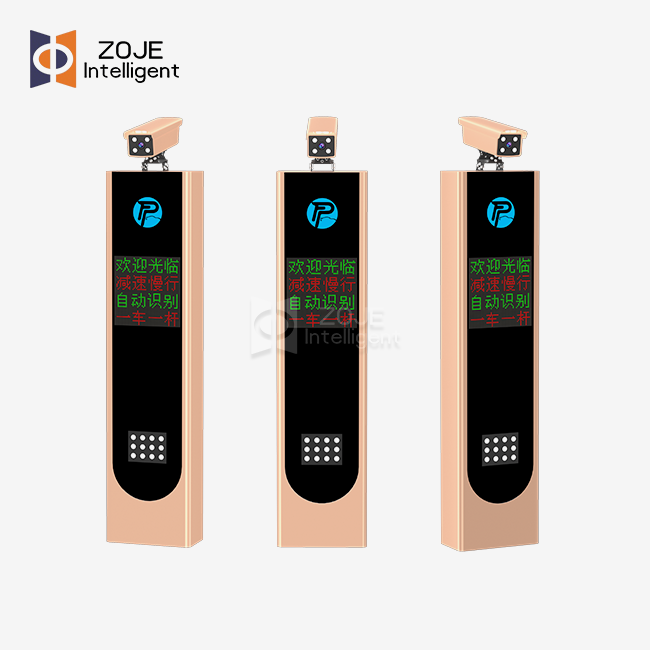
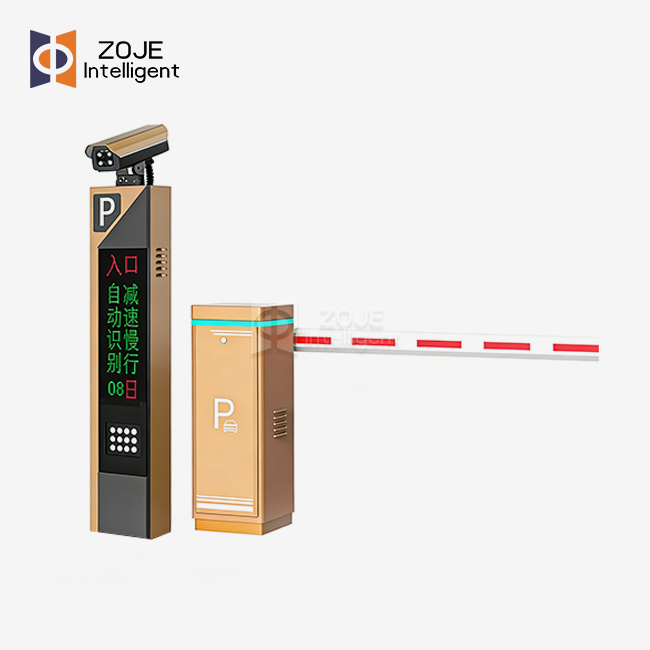
The ZOJE-LPR101 is an example of a front-end recognition design, which means that processing happens at the camera unit itself instead of on computers in the back. This design gets rid of the effects of network delays and supports offline billing, so operations can keep going even if there are problems with connectivity. The system has wide-angle lenses that cover 70 degrees, so it can be used in places with wide roads, limited depth, or vehicles coming from multiple directions at the same time.
Critical Factors Affecting Recognition Accuracy
Several factors affect how well license plate reading works in real-life situations that are hard to control. Lighting problems are very hard to deal with, especially at dawn, dusk, or when headlights make glare. Things in the weather like rain, snow, and fog make pictures less clear. The accuracy of capture is directly affected by the quality of the hardware, and the system's ability to connect with payment platforms, barrier gates, and management screens is based on how well the software can integrate with other systems. These problems can be solved with modern technologies like adaptable lighting and error-correction programs that make sure the system works the same way in all settings.


Benefits of High Accuracy LPR Parking Systems for Businesses
Using advanced high accuracy LPR parking systems has measurable benefits that have a direct effect on the bottom line and protection of your building.
Enhanced Security Through Real-Time Vehicle Identification
Automated access control systems allow real-time identification of vehicles, which greatly reduces incidents of parking without permission. Every vehicle that comes into your building is logged with a timestamp. This creates full audit trails that make it easier to keep track of incidents and look into them. Shopping malls can find cars that have been linked to past security issues, and residential communities can improve their perimeter security by automating guest logs and resident verification.
Operational Efficiency and Cost Reduction
Automation reduces the need for human involvement, which lowers running costs by cutting down on the number of people needed to watch the gates and validate tickets. The ZOJE-LPR101 can identify cars going up to 40 kilometres per hour without drivers having to stop. This speeds up the flow of vehicles and eases traffic during rush hours. This ability to enter and leave without stopping saves drivers a lot of time and makes the experience better for people who value ease, like people who are travelling or working in an office building or shopping center.
Revenue Optimization Through Intelligent Management
Integration with payment companies makes it easier to collect money and gives you data tools that you can use. The system can recognise more than 150 car logos and more than 1500 vehicle models. This lets it charge automatically based on the type of vehicle, so small cars, medium-sized cars, large buses and goods trucks all get charged the right amount. Management teams learn about how parking spaces are used, how occupied they are, and how much money they make. This information helps them make strategic decisions about changing prices, adding more spaces, and improving service quality.
When you add up all of these benefits, you get measurable cost savings and higher security, which gives procurement stakeholders looking at parking management tools a good return on their investment. Commercial parking lot owners say that installing automated recognition systems cut labour costs by more than 60%. Airports say that flow improvements cut wait times for vehicles by an average of 3 to 5 minutes during peak traffic times.
Comparing High Accuracy LPR Systems with Alternative Solutions
When procurement managers know how different parking management tools compare to each other, they can make choices that meet the needs of the business.
High Accuracy LPR Versus Standard Recognition Systems
Standard methods for recognising license plates usually get accuracy rates of 85 to 92%, which sounds fine until you think about how that mistake range affects things. Standard systems fail 80 to 150 times a day at a facility that processes 1,000 vehicles, which causes customer service problems and lost revenue. High accuracy LPR parking systems, like the ZOJE-LPR101, can recognise 99% of the time, which means that mistakes happen only about 10 times out of every 1,000 vehicles. This higher original investment is worth it because it makes the system more reliable, especially in places like airports where security must not be compromised and office buildings where a professional image is important.
Automated Recognition Versus Manual Processes
Attendants are needed at entry and exit points for manual ticketing systems, which adds up to a lot of money in labour costs over months and years. People who work as workers get tired, make mistakes when there are a lot of people, and can't keep up with the speed of automatic systems. License plate recognition technology increases productivity a lot and has a clear return on investment. Facilities usually repay the costs of adoption within 12 to 18 months just by saving money on labour, and that's not even counting the other benefits like higher throughput and lower error rates.
LPR Technology Compared to RFID Solutions
RFID systems need real tags to be given to authorised cars. This makes things harder for shopping malls and business lots that serve customers who come and go. Tags get lost, broken, or forgotten, which leads to complaints from customers and costs for replacements. License plate recognition makes infrastructure changes easier and doesn't need any extra hardware on the vehicles. This makes it perfect for businesses that want flexible, cost-effective deployments that can easily grow as their building needs do.
Selecting and Procuring the Ideal High Accuracy LPR Parking System
To pick the best high accuracy LPR parking system, you need to carefully consider the features that meet the specific working needs of your building.
Essential Features and Technical Specifications
The most important thing is that the recognition is accurate—systems should be able to perform consistently better than 98% of the time in a variety of situations. The front-end recognition architecture of the ZOJE-LPR101 makes processing faster, which saves time and money and gets rid of the need for back-end software. It's very important that outdoor installations that serve airports, shopping malls and apartment complexes are strong in all kinds of weather. Ultra-wide dynamic image optimisation and automatic change of plate image parameters make sure that the system works well in settings with front lighting, back lighting, and rain.
Vendor Evaluation and Procurement Considerations
The best high accuracy LPR parking system manufacturers should offer a full warranty, helpful customer service, and regular software updates. ZOJE offers a warranty that lasts for two years and professional after-sales service that is available around the clock. Technical help is available 24 hours a day, seven days a week, so problems are quickly fixed and business as usual is resumed.
Cost factors extend beyond initial purchase price to encompass installation complexity, ongoing maintenance requirements, and total cost of ownership. Standard ZOJE products ship in 5 to 7 days, while customised solutions usually take 10 to 15 days. This fast delivery speed cuts down on project timelines. The company offers flexible shipping terms, such as DDU and DDP plans for air and sea travel, which make the process of buying things internationally easier.
Quality Assurance and Certification
Recognised certificates and intellectual property portfolios from well-known makers show that they are committed to quality. ZOJE's ISO 9001:2015 compliance shows that they follow strict quality management standards. Their many technical and design patents also show that they are truly innovative and not just recycling common goods. This quality assurance is especially important for places where system dependability affects security and income directly. For example, airports can't have a lot of downtime, and business parking operators need solutions that work the same way year after year.

Overcoming Challenges in High Accuracy LPR Deployment
Using license plate recognition technology in parking lots with a lot of different spaces is hard and needs careful planning and the right tools.
Addressing Environmental and Operational Obstacles
Situations with bad lighting, bad weather, and a lot of traffic make it hard for standard recognition systems to work. The ZOJE-LPR101 solves these problems with adaptive lighting technology, which changes the image settings on the fly. The gear is made to be reliable outside, even in extreme temperatures, wet conditions, and strong sunlight. AI-based software that reduces errors makes up for things like dirt building up on plates, odd viewing angles, and partial blocks that happen naturally as the facility works.
Maintenance and Performance Optimization
To keep a high accuracy LPR parking system running at its best over many years of use, proactive maintenance strategies are needed. Regular testing makes sure that the accuracy of tracking stays the same even when the weather changes with the seasons. Software updates make the system run faster and add more recognition options, like the ability to find new car models, adjust to different license plate designs, and work with new payment technologies. ZOJE's helpful customer service team helps with setup, fixing problems, and giving sites smart advice that helps them get the most out of their technology investments.
Real-World Success Stories
Commercial parking lots that use advanced recognition systems report improvements that can be measured across a number of operational metrics. Shopping centers say that incidents of people parking without permission dropped by 70–80% after the system was put in place. The higher security levels that came with it also made the areas safer, which made customers feel better. By getting rid of physical gate guards and putting staff in higher-value customer service roles, office buildings can save a lot of money on labour costs. During busy travel times, airport parking operations speed up the processing of vehicles, which reduces traffic that used to cause complaints and bad reviews from customers.
One regional airport serving 2.3 million passengers annually implemented the ZOJE-LPR101 across four parking structures totaling 4,800 spaces. Within six months, the facility documented average entry time reductions from 42 seconds to 8 seconds per vehicle, effectively increasing capacity without physical expansion. Revenue leakage from ticketing errors decreased by 94%, while customer satisfaction scores for parking experience improved by 31 percentage points. These tangible results demonstrate the transformative impact that properly implemented license plate recognition delivers for facilities prioritizing both operational excellence and customer experience.
Conclusion
License plate recognition technology has gone from being an experimental novelty to an important part of modern parking lots that can't be ignored. High accuracy LPR parking systems that can recognise 99% of vehicles can change the safety, working efficiency, and financial performance of shopping malls, airports, neighbourhoods, office buildings, and business parking lots. The ZOJE-LPR101 shows what this technology can do with its front-end recognition architecture, wide range of customisation options, and strong performance in tough environmental conditions. When businesses invest in advanced recognition solutions, they gain a long-term competitive edge through lower costs, better security, and better customer experiences that set premium services apart from basic commodity services.
FAQ
1. What recognition accuracy can facilities expect from modern LPR systems?
In ideal conditions, advanced license plate recognition technology can get as accurate as 99% of the time. However, success in the real world depends on things like the environment. The ZOJE-LPR101 can consistently recognise more than 99% of objects thanks to adjustable illumination and AI-driven mistake correction, which work even when there isn't enough light, bad weather, or vehicles moving at up to 40 kilometres per hour.
2. How do front-end recognition systems differ from traditional architectures?
Front-end recognition does license plate recognition right at the camera unit instead of sending pictures to central computers to be analysed. This design gets rid of the effects of network delays, lets you work without an internet connection when you need to, and lowers the cost of infrastructure by getting rid of the need for a back-end processing server. Facilities get better reaction times and more reliable systems.
3. Can license plate recognition systems integrate with existing parking management software?
Standard protocols and flexible development options on modern platforms make it possible to integrate a lot of different systems. Different secondary development approaches can be used with the ZOJE solution, which makes it easy to connect to payment systems, access control platforms, and facility management dashboards. This adaptability makes sure that it works with current infrastructure and lets technology change in the future.
Partner with a Trusted High Accuracy LPR Parking System Supplier
ZOJE has more than ten years of experience in parking automation technology. They combine cutting-edge engineering with customer-focused service to make sure that the system works well and the customer is happy for a long time. We support full hardware and software customisation, as well as OEM and ODM cooperation, to tailor our solutions to your specific business needs. As an experienced high accuracy LPR parking system maker, our team sees customers in person once a year all over the world because we believe that face-to-face contact builds real partnerships rather than transactional vendor relationships. Talk to our technical experts at info@zoje-tech.com about how the ZOJE-LPR101 can improve the security and efficiency of your parking lot. You can look at full specifications and ask for a proposal that is tailored to your particular deployment setting by going to zoje-parking.com.
References
1. Smith, J.R. & Martinez, L.K. (2022). "Automated Vehicle Recognition Technologies in Commercial Parking Management." Journal of Transportation Infrastructure, 34(2), 145-162.
2. Chen, W. & Anderson, P.T. (2023). "Comparative Analysis of Access Control Systems for Large-Scale Parking Facilities." International Conference on Smart Building Technologies Proceedings, 78-94.
3. Johnson, M.D., Williams, R.S., & Thompson, K.L. (2021). "Economic Impact Assessment of License Plate Recognition Implementation in Municipal Parking Operations." Urban Planning and Technology Review, 19(4), 312-329.
4. Rodriguez, A.C. & Kim, S.H. (2023). "Machine Learning Applications in Optical Character Recognition for Transportation Security." IEEE Transactions on Intelligent Transportation Systems, 24(7), 7234-7248.
5. Baker, E.J., Foster, N.W., & Greene, H.M. (2022). "Environmental Factors Affecting Automated License Plate Recognition Accuracy." Journal of Applied Computer Vision, 41(3), 567-583.
6. Taylor, D.R. & Mitchell, C.A. (2023). "Return on Investment Analysis for Parking Automation Technologies in Commercial Real Estate." Facilities Management Quarterly, 28(1), 89-107.

Send Inquiry
You may like


Related Industry Knowledge
- How Vehicle Loop Detector for Parking Management System Improves Parking Accuracy
- How to improve the detection accuracy of Vehicle Loop Detector for Gate?
- Automatic Pay Kiosk for Commercial Parking Projects : Parking Made Easy
- Bridge-Style Tripod Turnstile Benefits in Office Security
- How Slim Speed Gate Turnstile Saves Installation Space?
- What Is High-Speed Access Control Turnstile Gate?
- Benefits of Intelligent Parking Systems for Urban Traffic & Sustainability
- Guide to Durable LPR Cameras for Parking & Access Control
- Smart Ticketless ANPR Parking System vs Ticket Parking System
- Integratable Parking Software vs Standalone Systems: Which Is Better?