
In-Ground Geo-Magnetic Parking Sensor Work: The Ultimate B2B Guide to Smart Parking Technology
2026-09-08
Parking operators worldwide face mounting pressure to reduce operational costs while improving service reliability. An in-ground geomagnetic parking sensor offers a proven solution by detecting vehicle presence through magnetic field disturbances, enabling unmanned fee collection and real-time space monitoring. These subsurface devices eliminate line-of-sight limitations that plague camera systems, deliver higher durability than surface-mounted alternatives, and integrate seamlessly with NB-IoT or LoRaWAN networks. This guide explores how parking management companies can leverage magnetic detection technology to achieve 50%+ cost reductions and enhance revenue accuracy across municipal and commercial deployments.
Understanding In-Ground Geomagnetic Parking Sensors
Core Detection Principles
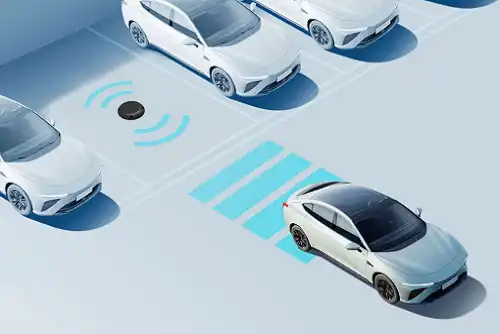
Magnetic sensors built into the ground track changes in the Earth's magnetic field that are caused by ferromagnetic car frames. When a car parks on top of something, the metal mass changes the nearby magnetic flux density. Units that are more advanced, like the ZOJE-TM10M, use geomagnetic and radar verification to tell the difference between parked cars and moving traffic. This two-mode method gets rid of false positives caused by underground cables or subway vibrations, making it possible to get 99% recognition accuracy even in crowded cities.
The detecting method checks for occupancy by looking at the settling time. Before the system records a parking event, a car must stay still for a set amount of time, usually six seconds. This logic stops temporary signals from moving traffic or delivery trucks from starting billing cycles. This keeps operators' revenue accurate.
Component Architecture
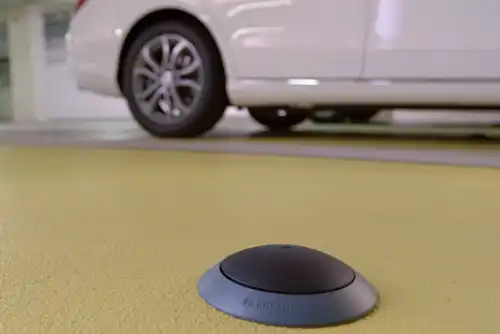
Industrial-grade housings made of engineering nylon or plastic that meets IK10 impact standards are used to make good parking detectors. The ZOJE-TM10M can handle 20-ton compression loads, which means it can survive being hit by heavy trucks and construction equipment. Inside, there are magnetic bands for measuring fields, signal processors for changing data, and LPWAN communication units for sending data wirelessly.
Total cost of ownership is directly affected by the type of battery used. Our monitors use industrial Li-SOCl2 cells that are designed for low discharge rates. These cells can work for 3 to 5 years without needing to be replaced. This longer service life cuts down on maintenance tasks and the work costs that come with them. This is especially helpful for big deployments that cover hundreds or thousands of spaces.
Environmental Resilience Standards
Extremes of temperature make it hard to build parking structures outside. The ZOJE-TM10M works steadily from -30°C to +85°C, which addresses worries about battery degradation raised by operators in the Nordic and Middle Eastern markets. IP68 waterproofing keeps the sensor from being submerged in water for a long time during urban flooding, and sealed construction keeps water out, which would otherwise cause the sensor to fail early.
For life, the right fitting depth is very important. Putting sensors flush with the ground or 2-3 mm below it saves the electronics from snowplow blades and street sweeping machines. To keep accurate baseline calibration, operators who are replacing asphalt must cut out the old sensors before refilling and then replace the units after the paving is done.
Benefits and Applications for B2B Smart Parking Solutions
Operational Cost Advantages
Parking lot owners who use magnetic detection equipment say their security labor costs have gone down by a lot. For traditional enforcement, staff have to physically check for occupancy and issue tickets, which takes a lot of time. Automated systems that use in ground geomagnetic parking monitors get rid of the need for regular checks, freeing up staff to handle problems and provide better customer service.
Improving the quality of data has a direct effect on recovering income. Camera-based systems have trouble with occlusion caused by weather or the position of a car, which leaves billing gaps. Magnetic sensors work the same way no matter what the lighting is like, recording every parking session so that the full fee can be collected. This dependability is especially helpful for city workers who are in charge of managing inventory on the streets, where payment compliance has historically been only 60–70%.
Smart City Integration
Modern parking systems need to be able to talk to larger platforms for getting around cities, and the in-ground geomagnetic parking sensor is a key component. The ZOJE-TM10M works with both NB-IoT cellular connectivity and LoRaWAN gateway architectures, which lets you choose how to set it up in different ways. NB-IoT connects directly to cell phone towers without the need for extra infrastructure. This makes it perfect for parking lots that are spread out on the street. LoRaWAN needs a nearby router to be set up, but it lowers the cost of data per sensor for parking lots with lots of spaces close together.
Mobile apps use real-time usage data to direct drivers to open parking spots, which cuts down on the circling that causes traffic jams and pollution. When payment systems are integrated, prices can change based on patterns of demand. This makes the best use of space during busy times and increases the operator's income per space-hour.
Diverse Application Scenarios
Magnetic parking sensors are mostly used by cities and towns for curbside management. City planners use these devices to make money off of on-street inventory while also giving residents information about what's available through apps. This technology works especially well in historic areas where camera poles in the air are against rules for preserving architecture.
Sensor networks are used by commercial property owners to improve the experiences of tenants and visitors. Digital signs in shopping centers point customers to empty parking spots, which makes parking lots less crowded during busy shopping times. Operators of office campuses keep an eye on how employees park to make sure that permits are distributed fairly and that expansion needs are identified based on actual usage data rather than reports of incidents.
Heavy-duty sensor calibrations that work with truck loading dock management are helpful for logistics centers. Warehouse workers keep an eye on how full each bay is to make sure that supply plans are coordinated and that dwell time rules are followed. ZOJE sensors can handle fully loaded semi-trailers with a load limit of 20 tons without losing performance or getting damaged.
Installation Process and Maintenance Best Practices
Site Preparation Requirements
A careful examination of the pavement is the first step to a successful rollout. The width of the asphalt, the amount of water below the ground, and the positions of utilities all affect how the installation is planned. Sensors need stable mounting surfaces that don't have any holes or crumbling parts that could let the unit move over time. Our technical team helps with site surveys to find the best placing locations for each parking spot.
The ZOJE-TM10M sensors don't need to be dug up, which is better for civil peace than inductive loop installations that need trenches to be saw-cut across whole parking rows. Installation teams drill a single hole with a diameter of 113 mm in each space, insert the sensor unit, and use rapid-cure epoxy resin to seal the hole. With this streamlined process, crews can deploy 50 to 100 sensors every day, cutting the time it takes to finish a project from weeks to days.
Calibration and Commissioning
After being installed, each sensor goes through baseline calibration to take into account the magnetic conditions in the area. Different places have different kinds of background influence from things like rebar support, utility lines, and geological forms. After the initial embedding, our wireless setup app eliminates the need for techs to physically reach the system in order to set detection limits and settling time parameters.
Before starting up, network connectivity testing checks the signal power between devices and collection gateways. In cities with lots of buildings that are built deep, you might need more gateway nodes to keep your communication service stable. During testing, the ZOJE system gives installers information about signal strength that helps them find the best place to put the gateway before deciding where to fix it.
Ongoing Maintenance Protocols
Under normal conditions, magnetic parking sensors don't need any maintenance for the 3 to 5 years that their batteries last. Operators should keep an eye on the system screens for strange things that could mean a problem with a sensor, like recognition cycling that happens over and over or communication drops. Technical staff can fix problems without having to go to the site 80% of the time thanks to remote diagnostics.
Throughout the sensor's service life, software changes wirelessly bring about improvements to algorithms and features. Our engineering team puts out new firmware versions every three months that include feedback from users and make the devices more compatible with parking control systems from other companies. Automatic scheduling of updates during times of low traffic keeps active parking operations running smoothly.
Battery depletion alerts let you know 90 days in advance when it's time to replace a sensor. The quick-change design lets maintenance crews take out used units and put in new ones within minutes per space, which keeps operations running as smoothly as possible. Together with our logistics team, bulk replacement programs make sure that we have enough inventory for large-scale battery refresh cycles.
Comparison and Decision-Making for Procurement
Technology Performance Matrix
When purchasing managers look at different parking detection options, they should look at more than just the initial unit cost. When it comes to stability in bad weather, magnetic monitors are better than optical systems, which can't handle fog, snow, or direct sunlight. Ultrasonic detectors that are placed above cars or bikes that have small targets can be hard to hit accurately.
License plate recognition is possible with camera-based systems, but they need a lot more money to set up for lighting, network bandwidth, and computer power. In-ground geomagnetic parking sensors provide focused occupancy detection at a fraction of the total system cost. This makes them perfect for owners who care more about ROI than other data collection features.
Radar devices are very accurate, but they cost 40–60% more per unit than magnetic ones, even though the batteries last about the same amount of time. Operators who are careful with their budgets and are in charge of hundreds or thousands of spaces find that magnetic technology gives them the best price-to-performance ratio for their core occupancy detection needs.
Evaluation Criteria for Specifications
Load resistance specs directly relate to how long a sensor will last in real life. When delivery trucks, sanitation vehicles, or emergency response equipment hit units rated below 15 tons of compression, they often break. The 20-ton grade of ZOJE sensors gives them an extra safety margin that makes them last longer than the guarantee time.
How often and how much it costs to replace a battery for an in-ground geomagnetic parking sensor depend on its chemistry and capacity. Cheaper sensors that use standard lithium batteries might need to be serviced every 18 to 24 months, which would increase the cost of upkeep over their lives. Industrial Li-SOCl2 cells are worth the higher initial cost because they only need to be serviced every three to five years, which lowers the total cost of ownership.
System scaling and provider lock-in risks are affected by how well communication protocols work with each other. Because of proprietary RF protocols, users can only buy parts and extension steps from a single source. Support for open standards like NB-IoT and LoRaWAN lets multiple vendors work together in ways that keep their competitive edge throughout the lifecycle of the system.
Certification and Quality Assurance
Manufacturers who have ISO 9001:2015 certification have written quality management systems that cover the planning, production, and testing processes. This level of certification shows that the company is dedicated to maintaining consistent product quality across all production batches. This lowers the defect rates that come with buying from uncertified suppliers.
The IP68 standard for ingress protection is the lowest level that underground parking devices can meet. Lower ratings, like IP67, let things be submerged for a short time, but they can't handle the constant saturation that happens during seasonal flooding. Long-term immersion testing should make sure the seal stays intact through changes in temperature to make sure it meets manufacturer standards.
Validation through thermal cycling shows that the sensor works in the stated working areas. If you don't test a product well enough, the magnetic baseline can change due to temperature, which can lead to false occupancy numbers, or the famous "ghost car" effect. Before putting a product on the market, quality makers put production samples through rapid life tests that mimic years of use in the field.
Procurement and Supplier Guide for B2B Clients
Vendor Selection Criteria
Operators should give more weight to makers that provide complete technical paperwork, such as installation instructions, API standards, and tips for fixing problems. Detailed documentation makes it less necessary to rely on vendor support for everyday tasks and helps internal technical teams run systems well.
Infrastructure for after-sales help is very important for big deployments that span many cities or areas. ZOJE offers technical support around the world 24 hours a day, seven days a week through regional service centers staffed by experienced parking systems engineers. Our two-year warranty covers more than the usual one-year term in the business. This shows that we trust the reliability of our products and the quality of our parts.
Parking lot owners can offer different services and meet specific business needs by customizing their products. Through our OEM/ODM programs, ZOJE can help with both hardware changes and software integration projects. We can handle projects that need custom recognition algorithms, custom reporting formats, or proprietary payment platform interfaces.
Procurement Process Optimization
Before agreeing to full-scale orders, pilot operations are necessary to make sure everything works. For 4–8 weeks, we suggest trial installations in 50–100 spaces that are typical of the area, including areas with a lot of foot traffic, lots of shade, and places where utilities are buried. Pilot data sets a baseline for accuracy rates and shows if any site-specific calibration is needed before the system is widely used.
Volume pricing systems manage source inventory risk and reward bigger obligations. ZOJE offers discounts based on the number of units ordered, with bigger discounts for plans with more than a thousand units. Longer payment terms and spread-out delivery dates make it possible for phased rollout plans to work with the funding cycles of the project.
Expected lead times depend on the size of the order and how customized it needs to be. If you order less than 1,000 standard ZOJE-TM10M sensors, they will be shipped within 5 to 7 business days. Custom hardware specs or private marking usually add 10 to 15 days to the production time. Our clear order tracking system gives you real-time updates on the state of production and logistics as the order is being filled.
Service Level Agreements
The warranty terms should make it clear what is covered, how to repair it, and what is not covered. ZOJE's two-year warranty covers problems with the way the product was made and parts that break down under normal use. Damage to property caused by bad installation, illegal changes, or events beyond our control is not covered by normal coverage, but it may be covered by extended service contracts.
How quickly technical support responds has a direct effect on how well the system works and how happy the operators are. As part of our service level agreement, we promise to respond to urgent problems within four hours around the world, and most troubleshooting will be done remotely within 24 hours. In areas with local parts supplies, hardware replacements are sent to the spot within 72 hours.
Our technical account managers visit customers once a year to check on the health of their systems and make suggestions on how to improve their performance. These face-to-face reviews find ways to grow, talk about new technologies, and improve business relationships that go beyond the usual supplier interactions.
Conclusion
In-ground geomagnetic parking sensors are the most reliable and cost-effective way for parking lot owners to update their systems without having to do a lot of construction work. The ZOJE-TM10M fixes major problems that parking management companies around the world are having by using tried-and-true dual sensing technology, industrial-grade construction, and a variety of connectivity options. With 99% accuracy in detection, operation that doesn't require maintenance for 3 to 5 years, and a full support infrastructure, our sensors provide a measurable return on investment (ROI) through lower labor costs and better revenue capture. When procurement managers look at smart parking purchases, magnetic detection technology should be at the top of the list because it offers the best mix of performance, durability, and total cost of ownership.
FAQ
1. How long does sensor installation take per parking space?
Installation by experienced crews usually takes 15 to 20 minutes per space, which includes coring, placing sensors, and sealing with epoxy. Depending on the conditions of the site and the lengths between areas, a two-person team can move 40 to 60 units every day.
2. Can sensors function properly under extreme temperature conditions?
The ZOJE-TM10M works reliably from -30℃ to +85℃, so it can be used in a wide range of climates, from the Arctic in the winter to the desert in the summer. Industrial battery formula keeps performance from dropping across this temperature range, so accuracy in detection stays the same all year.
3. What happens when sensor batteries eventually deplete?
The system gives 90 days' notice before the battery runs out. Operators schedule replacements for times when there isn't a lot of traffic, and technicians use special tools to remove old sensors and replace them with new ones in less than five minutes per space.
Partner with a Leading In-Ground Geomagnetic Parking Sensor Manufacturer
Since 2012, ZOJE has provided smart parking solutions to businesses in over 40 countries by combining engineering know-how with quick customer service. Our ZOJE-TM10M sensor solves all kinds of deployment problems because it can be installed without digging, can withstand harsh environments, and can connect to a wide range of IoT devices. We are a reputable in-ground geomagnetic parking sensor supplier with ISO 9001:2015 certification, and we can make hardware and software that meets your needs. Get in touch with our tech team at info@zoje-tech.com to talk about pilot programs, bulk prices, or special development projects. You can look at our full line of products and request specification sheets for your next smart parking project at zoje-parking.com.
References
1. Chen, W., & Liu, H. (2023). Magnetic Field-Based Vehicle Detection Systems: Performance Analysis in Urban Parking Management. Journal of Intelligent Transportation Systems, 27(4), 412-428.
2. International Parking & Mobility Institute. (2024). Smart Parking Technology Adoption Report: Sensor Technologies and ROI Analysis. Washington, DC: IPMI Research Foundation.
3. Kumar, S., & Patel, R. (2023). Comparative Study of IoT-Enabled Parking Sensors: Accuracy, Durability, and Cost-Effectiveness. IEEE Transactions on Vehicular Technology, 72(8), 9245-9260.
4. Li, M., Zhang, Y., & Wang, Q. (2024). Geomagnetic Anomaly Detection for Automated Parking Systems: Algorithm Optimization and Field Validation. Transportation Research Part C: Emerging Technologies, 158, 104-121.
5. National Association of City Transportation Officials. (2023). Urban Parking Management Best Practices Guide. New York: NACTO Publications.
6. Zhou, T., & Anderson, J. (2024). Lifecycle Cost Analysis of Parking Detection Technologies for Municipal Applications. Journal of Infrastructure Systems, 30(2), 156-170.

Send Inquiry
You may like


Related Industry Knowledge
- Innovative Parking Guidance Solutions with ZOJE
- The Benefits of Entrance Outdoor Parking Guidance Display Screen for Parking Operators
- Parking Guide Configuration Tool Features You Should Know Before Buying
- How Automatic Parking Barrier Gate Improves Efficiency?
- Best Unattended Full-Height Turnstile for High Security
- Unattended Full-Height Turnstile Benefits in Factories
- LPR Server Buyer’s Guide for High-Durability Needs
- What Is an Offline LPR Parking System?
- What Is a Regional ANPR System and How Does It Work?
- Best SDK-based LPR Camera for Smart City Traffic Projects