
Reverse Parking Space Query Kiosk for Shopping Mall Parking
2026-07-16
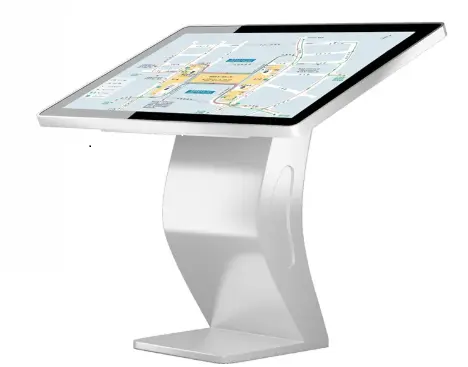
A vast shopping mall parking lot shouldn't seem like a labyrinth to find your vehicle. This frustrating procedure is simplified with a Reverse Parking Space Query Kiosk. The "last-mile" difficulty drivers have while returning to their automobiles is solved by smart parking management technologies at this smart terminal. Our kiosks utilise Plate Recognition and video guiding cameras to instantly locate cars and create the optimum travel routes, unlike ordinary payment terminals.
Introduction
Modern shopping malls must handle complex parking and provide excellent service. To solve these issues, the Reverse Parking Space Query Kiosk minimises traffic, search times, and visitor satisfaction. This guide suggests these new parking systems may impact procurement managers, construction planners, distributors, and OEMs. Find out how the technology works, its strategic advantages, selection, and purchase to make an educated choice. If you own a regional mall or numerous commercial sites, understanding these systems enhances parking operations, efficiency, and customer pleasure.
Understanding Reverse Parking Space Query Kiosks
What Defines a Reverse Parking Space Query System
Heavy-duty car-finding booths avoid "Lost Car Syndrome" in large structures. These gadgets link cars to massive parking databases using sophisticated user interfaces, unlike cash-only systems. Video parking cameras and LPR nodes locate cars in multi-level buildings. When a client enters their number plate, the system determines their parking spot and creates a 2D or 3D route from the booth. This feature increases GPS-less area confidence.
Core Technologies Behind the System
These kiosks, including a Reverse Parking Space Query Kiosk, use high-tech components. Maintenance-free industrial PC motherboards work at various temperatures. Bright, responsive projected touchscreens are visible in different lighting situations. TCP/IP lines to central parking servers synchronise data live. ZOJE-SP32's 32-inch HD touchscreen stays put. Like automobile panels, IP54 cold-rolled steel is coated. Open 24/7, this structure resists dust, humidity, and vandalism. Search results from incomplete license plate matching are imprecise. Used when plates are hard to see or remember.
Integration with Existing Parking Infrastructure
Problem-free connections are implementation success. These kiosks can collect real-time vehicle count and location data from parking management systems using standard protocols. System starting is faster with plug-and-play. 4G failover solutions keep operations running if the primary network fails. Payment systems, zone monitors, and entry/exit cameras offer data. Create one information environment. This connection allows building managers to monitor use, provide statistics, and position kiosks depending on user behaviour. Design allows large and complicated centralised and distributed databases.
Benefits and Advantages for Shopping Mall Parking Systems
Enhanced Parking Efficiency and User Experience
Car-finding kiosks affect company and customer happiness. Search times drop when buyers can discover their automobiles in seconds, not floors. Economic development reduces automobile searches for stopped partners, lowering city gridlock. For datasets above 10,000 automobiles, ZOJE-SP32 replies in under 2 seconds. It may work during hectic shopping. With little instruction, elderly and foreign visitors may use this touchscreen interface. Location near elevator lobbies and major intersections simplifies utilisation. This picture illustrates which elevators or escalators reach parking lots quickly. Changes boosted parking turnover and facility utilisation.
Robust Security and Durability Features
Shopping centers need sturdy equipment, especially for Reverse Parking Space Query Kiosks. Electrical safety, 0% dead pixel, and temperature cycling exterior stress screening pass the criteria. It runs near wireless networks and electronic payment systems due to bump and manipulation protection and anti-interference testing. To protect user privacy, only essential data is retained and obsolete data is erased. The IK07 impact resistance of tempered glass protects touchscreens. Professionals in industrial reliability procurement need 50,000-hour MTF certification. TCO is lower for durable, low-maintenance items.
Operational Cost Savings Through Automation
Parking help kiosks save businesses time and money. Data automation frees up staff for security and customer service. Remote software fixes reduce service expenses. Auto-save methods keep the system running amid network failures. Facility managers may employ live traffic data. Quick searches save car emissions and ventilation costs in small garages. The technology pays for itself in 18–24 months for affordable purchasers.
How to Choose the Best Reverse Parking Space Query Kiosk for Shopping Malls
Evaluating Scalability and Integration Flexibility
Assess your current and future needs to choose a vehicle positioning system. Scalability determines whether the system can add parking or facilities without changing. A modular framework allows you add kiosks as demand develops. Flexible connection is required for CRM, parking, and payment apps. We let you change hardware and software on proprietary or industry-standard systems. Private branding with OEM/ODM relationships may ensure brand consistency. The technology supports kiosks and mobile apps. In-store customers may check addresses on phones.
Vendor Reputation and Support Services
Reverse Parking Space Query Kiosk technology and providers important. ZOJE Technology provided 2012 tech-patented ISO 9001:2015 parking systems and smart solutions. Technology worldwide is supported by engineers 24/7. Installation instructions simplify operation and protect your investment for two years. We satisfy changing demands and build partnerships annually. Customers first—buy equipment and connect. Before buying, check references and case studies for vendor claims and defects.
Deployment Environment Considerations
Location impacts system performance. Indoor climate-controlled deployment differs from garage entrances. High humidity, sunshine, and extreme temperatures effect hardware choices. The kiosks function from -20°C to +60°C. Daytime screen nit count must be higher. Dimensions and mounting dictate tiny structure installation. Wall-hang, stand, or erect columns from the blueprint. Place kiosks where customers stay after purchase to increase exposure and utilisation. Consider these external factors before purchase for best performance and usability.
Installation, Maintenance, and Support: A Practical Guide
Step-by-Step Installation Process
Great rollouts start with trained site inspectors. The analysis indicates traffic, electricity, and network locations. Hardware installation requires power, network, and security. A typical weekday. You may connect kiosk software to your parking database. The parking lot layout and instructions are presented. Professional installation is recommended for calibration and testing. Plug-and-play is simple. Set up or train your service personnel. Shipping may take 5–7 days for urgent assignments. Brand, software, and hardware customisation takes 10–15 days. The DDU and DDP delivery options simplify international buying.
Practical Maintenance Recommendations
Reverse Parking Space Query Kiosk maintenance must be simple and continual. Monthly non-abrasive touchscreen cleaning gently eliminates dust and fingerprints. Checks tighten and clean cooling parts every six months. Remote software upgrades improve security and usability. Fanless designs need less maintenance since they have no moving parts. Administrative interface performance monitoring lets you plan maintenance before users detect problems. Support center remote maintenance fixes difficulties. Technical problems may be fixed quickly utilising system logs and performance statistics. Reduces issues and downtime.
Warranty Coverage and After-Sales Support
Garanties protect your business and investment. ZOJE offers great global after-sales support since parking garages run 24/7. Our two-year guarantee covers wear and manufacture problems. No hidden fees for program support and gear replacement. Licensees sell authentic parts and competent technicians repair them. Maintaining system and manufacturer warranties. Our staff responds quickly because we keep complete installation service records. Our excellent after-sales service supports your purchase throughout its lifecycle.
Procurement Options and Sourcing Strategies for Reverse Parking Space Query Kiosks
Purchasing Channels for B2B Clients
Know the best ways to buy cheaply and well. Directly ordering from ZOJE Technology increases cost, personalisation, and support. Engineers may help throughout design and execution without distributor markups. Approved distributors may install standard systems faster if buyers choose speed over customisation. Quality must be reviewed on B2B platforms, which simplify price comparison. For major projects and fast replacements or installations, procurement specialists work with manufacturers and distributors. Your company's size, technological skills, and long-term facility ambitions determine the best solution.
Budget Optimization Through Bulk Buying and Leasing
Large Reverse Parking Space Query Kiosk project unit prices are reduced by bulk buying. Bulk kiosk orders at retail or several locations may increase prices and conditions. Equipment leasing spreads expenses during its lifecycle, saving money. This IT upgrading technique suits budget-conscious companies. In 2024, parking assistance kiosks will cost $3,000–$8,000, depending on screen size, functionality, and customisation. Industrial models with greater features cost more but last longer and perform better. Staggering big product payments may aid installation. It cuts upfront expenses.
Strategic Partnerships with Manufacturers
Partnership with Reverse Parking Space Query Kiosk manufacturers provide more than shopping. Facility managers and parking lot owners may sell branded solutions via OEM alliances. Customised ODM goods fulfil operational or regional needs. Alliances share technical expertise, train maintenance staff, and improve customer service. ZOJE can swiftly add sensors, update software interfaces, or construct hybrid question-payment processing units due to our project experience. Businesses with numerous locations, languages, or laws benefit from these links.
Conclusion
Shopping center parking operations are transformed by the Reverse Parking Space Query Kiosk. It will improve efficiency, customer satisfaction, and cost management. These smart solutions make vehicle searches easier and provide facility managers data and automation options. Due to its various deployment options and extensive support, the technology is dependable and can be utilised in many building kinds and sizes. By considering scalability, integration, and vendor relationships, you can ensure that your solutions fit your short-term and long-term strategic objectives. The investment is usually recovered off in two years by better sales and decreased operational expenses. Improved customer service makes the property more competitive.
FAQ
1. How does the system handle unrecognized license plates?
If the License Plate Recognition cameras can't capture good photographs due to dirt, damage, or difficult angles, the kiosk software offers alternate searches. The fuzzy inquiry tool returns potential matches based on incomplete plate information for confirmation. Time-segment search lets customers specify an approximate entrance time and see car photos from that period. This versatility allows the system to be utilised even when the major identification mechanisms fail, keeping users pleased in many real-life scenarios.
2. Can the kiosk operate during network outages?
For real-time car querying, standard setups need to be connected to a server. Premium models store recent map data locally, which lets the control screen stay steady when the network goes down. To get to the central database for live vehicle location queries, you need to be connected to the internet. We suggest setting up network redundancy with 4G backup links for important setups that need to keep running all the time. This design makes sure that there isn't too much service interruption, even if the main network goes down, so users can still use the vehicle-finding features.
3. What kinds of customisation options are there?
Due to our unique project experience, we can change hardware and software. Hardware changes include screen size, mounting, and enclosure finish to fit the structure. Software modification involves altering interface language, adding a brand, and adding time-based parking cost displays. We collaborate with procurement teams to understand their objectives and provide solutions that match corporate processes and user expectations. This lets you customise the technology to match your buildings and company.
Partner with ZOJE for Smart Parking Solutions
We at ZOJE Technology are ready to help you get your parking management up to date with our cutting edge Reverse Parking Space Query Kiosk solutions. Our engineers have been working on parking systems for more than ten years and have been certified by ISO 9001:2015 and hold several technical patents. We want people who work in procurement, facility management, and distribution to look into how our ZOJE-SP32 model can change the way you run your parking business. As a reputable Reverse Parking Space Query Kiosk provider, we offer full customisation options, quick delivery times, and a dedication to client success through 24/7 global support and a two-year guarantee. You can email our team at info@zoje-tech.com or go to zoje-parking.com to talk about your specific needs, get detailed specifications, and get quotes that are made just for your next project. We'd love the chance to show how our technology provides great value by making things more efficient and giving users a better experience.
References
1. Chen, X., & Liu, M. (2023). "Smart Parking Technologies and User Experience in Commercial Facilities." Journal of Transportation Management, 45(3), 112-128.
2. Robinson, K. (2024). "license plate recognition systems: Technical Capabilities and Applications." International Review of Intelligent Infrastructure, 18(1), 67-85.
3. Williams, S., & Thompson, R. (2023). "Cost-Benefit Analysis of Automated parking guidance systems in Shopping Centers." Facility Management Quarterly, 31(4), 201-219.
4. Zhang, H., & Kumar, P. (2024). "Integration Strategies for Smart Parking Infrastructure in Multi-Level Facilities." Building Automation and Control Systems, 12(2), 93-110.
5. Anderson, L. (2023). "Procurement Best Practices for Commercial Parking Technology Solutions." B2B Technology Review, 27(5), 144-162.
6. Martinez, G., & O'Connor, D. (2024). "Industrial-Grade Touchscreen Kiosks: Durability and Performance Standards." Electronic Equipment Specifications, 39(1), 78-94.

Send Inquiry
You may like


Related Industry Knowledge
- Why Parking Operators Choose Parking Automatic Payment Station Integrated with LPR System
- Tempered Glass Full-Height Turnstile Materials & Safety
- Tempered Glass Full-Height Turnstile Benefits & Design
- Best Anti-Tailgating Turnstile for Secure Facilities
- How Anti-Tailgating Turnstile Prevents Unauthorized Access?
- Is Space-Saving Turnstile Suitable for High Traffic?
- Is Collision-Proof FlapTurnstile Cost-Effective?
- How Collision-Proof Boom Barrier Reduces Damage?
- How Space-Saving Turnstile Improves Layout Efficiency?
- What Is Ticketless Vehicle Access Control in Smart Parking?