
What Is Parking Exit Card and Ticket Validation Machine in Modern PARCS
2026-07-03
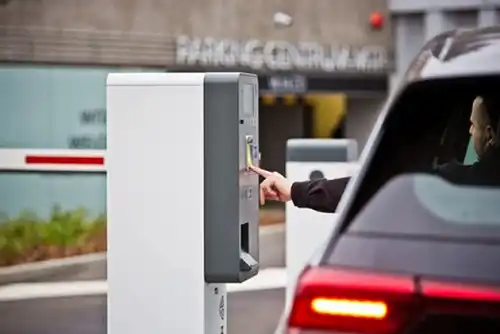
Modern Parking Access and Revenue Control Systems finish with a Parking Exit Card and Ticket Validation Machine. The aim is to simplify departing paid parking lots. This unmanned exit lane station verifies temporary ticket payment status via a barcode or magnetic stripe. To open barrier gates, it verifies contract parkers' RFID or IC cards. These validation technologies have advanced logic that can determine how long a visit will continue, verify the merchant, and communicate with central administration computers to confirm payment. Eliminating the cashier, avoiding revenue loss with tight anti-passback measures, clearing exit lanes quicker with processing times of less than two seconds, and 24/7 autonomous operation in difficult outdoor locations are the main operational advantages.
Airports, retail malls, apartment complexes, office buildings, and commercial parking lots need modern PARCS to manage parking. This guide helps worldwide B2B buyers purchase and connect sophisticated PARCS components. We explain how the system works, its advantages, how to purchase it, and future developments. This allows you make wise choices that support your company's objectives and infrastructure.
Understanding Parking Exit Card and Ticket Validation Machines
Modern parking lots use Parking Exit Card and Ticket Validation Machines as the main way to keep track of money coming in and out. Understanding their business processes and technology differences makes it easier for B2B clients who manage different types of facilities to choose the right option.
Core Components and Technologies
Parking exit cards include smart cards, RFID passes, barcode tickets, and magnetic stripe cards. Each is an electronic pass that only authorized users may use. The validation machine verifies these credentials by reviewing centralized payment or permission records. Modern models like the ZOJE-TB102 can scan IC cards, ID cards, Bluetooth connections, and UHF long-range signals simultaneously. This adaptability allows it to function with all the credentials your building may have, so you don't need additional hardware.
Transaction processing is rapid due to ARM-Linux processing technologies employed in technical design. Built-in video intercoms enable you serve clients immediately when difficulties arise, and high-brightness LCD or TFT displays allow reading in direct sunlight. Block gates, cash booths, and license plate cameras may be connected easily using TCP/IP, RS485, and Wiegand interfaces.
Operational Workflows and Integration
These solutions link to payment systems and access controls to validate parking places quicker and more accurately. When approaching the exit, the motorist produces their ticket or access card. The validation terminal reads the credential, checks the payment database for success, checks for anti-passback rules to prevent unlawful re-use, and calculates any leftover cost depending on the duration of the stay and any discounts. After confirmation, the system opens the barrier gate and records the transaction with a timestamp, credential ID, and length data for income reporting.
Working offline helps keep things functioning when the network goes down. On-board memory holds password whitelists and offline validation codes. This helps exit processing continue during a brief server outage. Local transactions are synchronized instantly when the network connectivity is reestablished. This prevents data loss and streamlines procedures.
Benefits and Features of Parking Exit Card Systems and Ticket Validation Machines
Modern Parking Exit Card and Ticket Validation Machines make security, business efficiency, and the user experience better in ways that can be measured. When procurement teams know about these benefits, they can figure out the return on investment and choose methods that fit with their business goals.
Enhanced Security and Revenue Protection
Facilities concerned about losing money should prioritize security. Anti-fraud features include validating credentials against secured databases, identifying duplicate or false tickets, and preventing one access card from exiting more than one vehicle. Real-time monitoring dashboards alert staff to suspicious behaviors like brief stays or repeated validation attempts. These safety measures have reduced unauthorized entry and ensured that all parking periods are profitable.
Devices like the ZOJE-TB102 are safer and endure longer due to their industrial design. Vandalism and mischief are difficult to accomplish to powder-coated cold-rolled steel or stainless steel enclosures. IP54 or IP65 ingress protection prevents dust, rain, and humidity. This indicates the gadget will operate well in harsh conditions.
Operational Efficiency and Cost Reduction
Payment confirmation automation reduces errors and labor expenses far more than exit booths with people. Eliminating cashier positions will save a lot of money during the system's lifespan. Due to processing rates of less than two seconds, exit lanes are less busy during peak hours. This increased flow improves client satisfaction and maximizes facility capacity.
Maintenance is minimal due to stringent manufacturing quality control. Mean Cycles Between Failure (MCBF) studies demonstrate that top computers can handle over two million processes before breaking. Jam rates are usually around 0.01%, therefore the system works daily. Environmental stress screening, including climatic chamber testing, high-temperature operation tests, and coastal salt spray tests, assures that the system will perform reliably in various deployment situations.
User Experience and Convenience
User advantages go beyond operational data and include experience modifications. HD panels provide clear directions in several languages—ZOJE systems operate with over 30 countries—so foreigners may simply leave the building. To make instructions more accessible, text-to-speech systems speak them. Drivers save time and tension by receiving remote assistance via video intercom.
New smartphone applications simplify life. Paying ahead of time using phone applications generates QR codes that confirmation tools may scan to allow drivers go immediately. This cashless option is convenient after a pandemic and speeds up processing.
How to Choose the Right Parking Exit Card and Ticket Validation Solution
It is important to carefully consider compatibility, total cost of ownership, scaling, and provider skills when choosing the right Parking Exit Card and Ticket Validation Machine solution. Managers of procurement have to find a mix between short-term operational needs and long-term needs for flexibility and technical progress.
Compatibility and Infrastructure Integration
The most crucial element is compatibility with existing systems. Check the present barrier gates, access control platforms, and payment systems for compatibility. The ZOJE-TB102's several I/O ports make adding functionality straightforward. It supports RS485 and TCP/IP networks. This hybrid feature protects infrastructure investments while easing system modifications.
Check password format standards across user groups. Parking lots with monthly contract parkers and temporary visitors benefit from multi-recognition technology, which reads RFID cards and barcode tickets on one device. This dual-modality feature eliminates the requirement for departure lanes, saving cost and space.
Total Cost of Ownership Analysis
The entire cost of ownership goes beyond hardware purchase. Installation, maintenance, warranty, and product support are included. Request detailed bids that include these parts separately for fair comparison. When putting up many locations, purchasing in bulk may save you a lot of money on unit costs. Leasing gives companies that prefer operations to capital investments greater spending flexibility.
After-sales service and warranty coverage should be examined. ZOJE provides a two-year warranty and 24/7 global after-sales support. Customers' annual on-site visits allow for face-to-face talks regarding product performance and changing demands, strengthening long-term connections. Full technical assistance, including installation instructions, maintenance schedules, and problem-solving, keeps the system working smoothly and reduces downtime costs.
Customization and Scalability
Systems that adapt to new innovation will retain value. Platforms with software updates that introduce additional credential formats, payment methods, and connectivity protocols without new hardware should be prioritized. Advanced versions' ARM-Linux construction allows field software updates, extending the device's lifespan as parking technology improves.
Customization suits each location. ZOJE works with competent OEM and ODM partners to tailor software and hardware. Change approval logic to accommodate alternative price structures, brand displays, or link access control systems. This lets solutions suit realistic processes instead of pushing adjustments to fit inflexible off-the-shelf commodities.
Installation, Maintenance, and Procurement Tips for B2B Clients
Professional construction methods, preventative upkeep schedules, and smart buying strategies that protect investments are all important for a Parking Exit Card and Ticket Validation Machine's successful deployment.
Best Practices for Installation and Integration
Seamless installation keeps activities operating smoothly throughout system setup. Partner with professional suppliers that examine the location, propose equipment placement, install network infrastructure, and integrate barrier gates. Standard items ship in 5–7 days, bespoke solutions in 10–15. ZOJE's quick delivery meets ISO 9001:2015 quality requirements and speeds up project schedules.
Building workers get professional training to utilize systems effectively and address issues. Request instruction in everyday chores, transaction monitoring, credential management, and basic troubleshooting. System design diagrams, setup guidelines, and maintenance plans enable individuals exchange expertise and reduce vendor support for daily tasks.
Maintenance Protocols and Longevity Enhancement
Regular maintenance extends system life and prevents costly repairs. Schedule frequent checks for mechanical parts, card readers, displays, and network connectivity. Motorized ticket-moving systems must be lubricated and trained to remove bottlenecks regularly. Reader sensitivity adjustment maintains RFID range and barcode reading performance in changing weather and dust.
Software updates add features, patch errors, and speed performance. Set up updating techniques during low-traffic periods to minimize operational impact. Before making major version updates, learn to back up and roll back. Checking for electromagnetic compatibility and interference ensures that your system can withstand external electrical disruptions.
Approaches to Strategic Buying
Negotiate contracts and create efficient vendor relationships to maximize cash utilization. When you purchase in bulk for several deployments, you save money and standardize equipment across all properties, making instructional personnel and spare part tracking easy. Explore renting choices that help you save for company investments and offer you access to the latest technology via lease update cycles.
The warranty terms greatly impact long-term expenditures. Consider buying a longer warranty, particularly for heavily used configurations where components wear out quicker. State that the warranty doesn't cover environmental, vandalism, or unlawful modifications. Service level agreements should specify how long technical support queries will be answered and when someone will visit you to remedy things.
Future Trends and Innovations in Parking Exit Card and Ticket Validation Systems
Parking Exit Card and Ticket Validation Machine technology is moving toward systems that are smarter, more linked, and run by themselves. Procurement managers who are forward-thinking need to think about these changes when choosing platforms to make sure they will be useful in the long term and protect their investments.
Integration of IoT and AI Technologies
With Internet of Things connection, exit validation tools go from being stand-alone devices to being networked sensors that help make the whole building smarter. Analytics systems use real-time data streams to find trends in usage, predict repair needs, and constantly improve pricing strategies. Artificial intelligence programs look for strange behaviors that could be signs of a scam. When they find them, they send out automatic alerts for security review.
Over time, apps that use machine learning get more accurate. Systems keep improving confirmation logic by looking at trends of real exits versus fake ones in the past. Predictive analytics can tell you when the busiest times are, so you can make changes to your staffing and control your capacity before they happen. These skills give us actionable information that makes our operations more efficient and our customers happier at the same time.
Mobile Integration and Contactless Solutions
As the number of smartphones in developed countries hits full saturation, the integration of mobile platforms speeds up. More and more, drivers want digital experiences that are smooth and don't require any tickets at all. To make exits easier, modern validation systems can read QR codes, accept NFC credentials, and identify Bluetooth closeness. License plate recognition is a backup form of identification in case mobile devices aren't available, making sure that everyone can use the system.
Adding contactless payments is in line with what customers want: deals that are clean and easy. At the exit lanes, validation machines with NFC readers accept contactless credit cards and mobile wallets instead of having to use separate payment kiosks. This simplified method cuts down on processing time and boosts throughput during busy times.
Enhanced Security Protocols and Blockchain Applications
New security technologies stop more complex scam attempts. Blockchain-based identity management makes audit trails that can't be changed for issuing and using access cards. This stops fakes and illegal copies from being made. Biometric authentication is used in addition to traditional IDs, especially in high-security areas that need to prove identities.
Edge computing lets complicated security processes run locally, without having to depend on a computer. On-device validation methods are encrypted, keeping private payment and credential data safe from being hacked over the network. These distributed security designs make it harder for centralized servers to be attacked while still allowing transactions to be processed quickly.
Conclusion
Parking Exit Card and Ticket Validation Machines are an important part of modern revenue control systems in places like airports, shopping malls, apartment complexes, office buildings, and business parking lots. B2B procurement workers can make smart investment choices when they know about their technical skills, operational rewards, and selection criteria. The ZOJE-TB102 has advanced features like multi-recognition technology, industrial-grade sturdiness with ultra-wide temperature tolerance, a high-performance ARM-Linux design, and full support for over 100 languages. Strategic methods for buying that weigh beginning costs against total ownership costs and stress compatibility and scalability set businesses up for long-term operating success. As parking technology advances toward IoT integration, AI, and mobile-first experiences, choosing platforms that are flexible protects long-term investments and gives site managers a competitive edge.
FAQ
1. What makes parking exit cards different from tools that validate tickets?
Exit cards for parking lots are usually reusable IDs, like RFID or smart cards, that are given to monthly contract parkers or workers and allow them to enter and leave the parking lot more than once. Ticket validation machines check the state of guests' payments and single-use paper or electronic tickets before letting them leave. Modern systems, like the ZOJE-TB102, combine both functions into a single piece of hardware. This gets rid of the need for different processing lanes and makes the best use of the room.
2. What are the most difficult parts of maintaining these systems?
Most of the time, the motorized ticket transport system breaks down because broken or wet tickets cause paper jams. Cleaning and lubricating parts on a regular basis makes them last longer. Reader sensitivity loss due to dust in the surroundings needs to be calibrated on a regular basis. Strong offline operation skills are needed to keep the software stable when the network goes down. Regular checks in these areas keep them working properly and avoid having to pay a lot for fixes in an emergency.
3. Are these methods suitable for technologies that let you pay with your phone?
Modern validation tools can work with mobile payments by reading QR codes, presenting NFC credentials, and connecting via Bluetooth. Drivers pay ahead of time using apps on their phones and then show their digital credentials at exit stations to get quick approval. This cashless method speeds up the process while meeting the modern customer demand for digital ease of use. When mobile devices aren't available, integration with license plate recognition can be used as a backup for identification.
Partner with ZOJE for Advanced Exit Validation Solutions
To add reliable validation technology to your parking lot, you need to work with a reputable maker who knows how to handle global B2B buying issues. As a well-known company that makes Parking Exit Card and Ticket Validation Machines, ZOJE offers unique solutions that are backed by ISO 9001:2015 approval and several technical patents. Our ZOJE-TB102 model can recognize IC/ID/Bluetooth/UHF credentials, has an industrial-grade build that can handle temperatures ranging from -40°F to 80°F, a high-performance ARM-Linux design, HD screens with video intercom, and support for more than 30 languages. With a two-year warranty, expert help available 24/7 around the world, flexible OEM/ODM cooperation, and quick shipping times, we offer a full relationship that goes beyond just selling hardware. Every year, our team goes on-site to improve connections and make sure that solutions are always up-to-date with changing market needs. Contact Us at info@zoje-tech.com to talk about your specific needs and find out how our experience with shopping malls, airports, apartment complexes, office buildings, and industrial parking spots can help you run your business more efficiently and protect your profits.
References
1. International Parking & Mobility Institute. (2022). Parking Technology Standards and Best Practices Manual. Fredericksburg: IPMI Press.
2. Chen, L., & Wang, H. (2021). Smart Parking Systems: Architecture, Implementation, and Security Considerations. Journal of Intelligent Transportation Systems, 45(3), 287-304.
3. European Parking Association. (2023). Guide to Parking Access and Revenue Control Systems Procurement. Brussels: EPA Publications.
4. Kumar, R., & Singh, A. (2022). IoT-Enabled Parking Management: Technologies, Applications, and Future Directions. IEEE Transactions on Intelligent Transportation Systems, 23(7), 8956-8971.
5. National Parking Association. (2021). Quality Standards for Automated Parking Equipment: Testing and Certification Guidelines. Washington: NPA Technical Division.
6. Zhang, Y., Liu, X., & Thompson, J. (2023). Revenue Leakage Prevention in Commercial Parking Facilities Through Advanced Validation Technologies. Transportation Research Part C: Emerging Technologies, 148, 104021.

Send Inquiry
You may like



Related Industry Knowledge
- Car Parking Kiosk: A Modern Solution for Efficient Parking Management
- Interlocking Full-Height Turnstile Gate Structure
- How Anti-Collision Flap Turnstile Gate Works Safely?
- Waist-high Tripod Turnstile Features and Mechanism
- How Traffic Control Barrier Gate Works Efficiently?
- Can License Plate Recognition Reduce Parking Costs?
- Where to Buy License Plate Recognition Systems Online?
- What Is an All-in-One LPR Machine for Smart Parking?
- What Is an Offline LPR Parking System?
- What Is an Integratable LPR Parking System?