
Why Choose an OEM Reverse Parking Space Query Kiosk?
2026-09-11
When managing large-scale parking facilities with over 1,000 spaces, the challenge of helping visitors locate their vehicles efficiently becomes a critical operational concern. An OEM reverse parking space query kiosk offers a tailored, reliable solution specifically designed for high-traffic commercial complexes, airports, and transit hubs. Unlike generic off-the-shelf systems, OEM kiosks provide deep customization in both hardware aesthetics and software functionality, allowing the terminal to seamlessly integrate with your property's visual identity while delivering consistent performance under demanding 24/7 operational conditions. The decision to select an OEM partner ensures you receive manufacturer-level quality control, extended warranty coverage, and responsive technical support that directly addresses the unique pain points experienced in large parking environments.
Understanding OEM Reverse Parking Space Query Kiosks: System Architecture and Technical Foundations
What Defines an OEM Vehicle Location Terminal
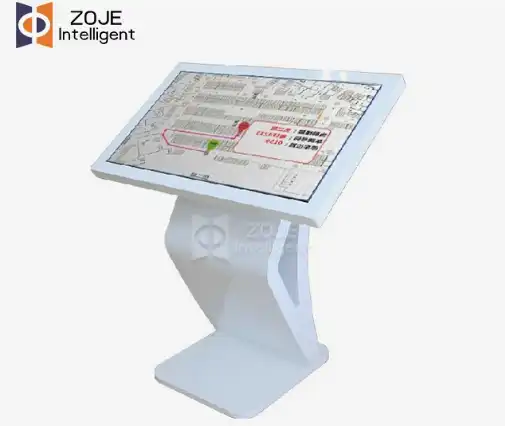
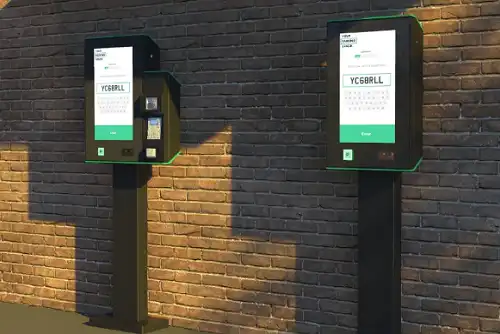
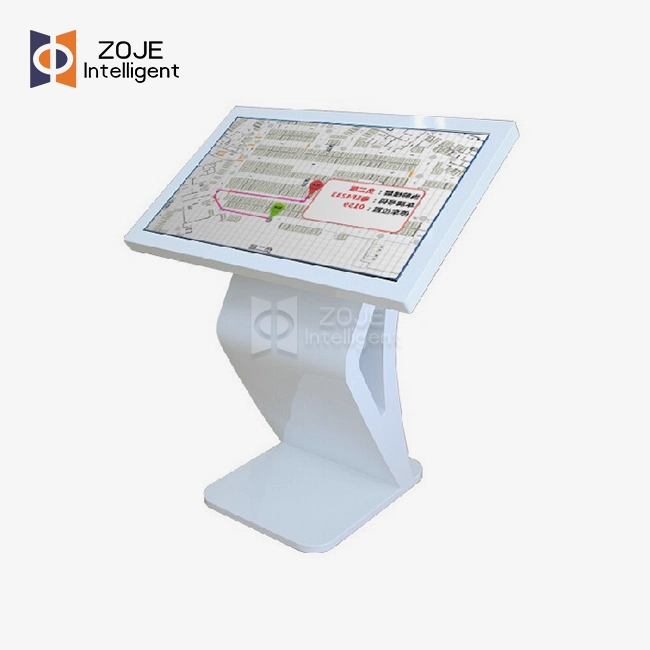
OEM reverse parking space inquiry kiosks are smart terminals that serve as the key user interface in large parking directing systems. Database computers and video-based license plate recognition cameras are immediately linked. This maps car names to parking lot locations in real time. When a visitor enters their license plate on the touchscreen at the kiosk, a backend algorithm checks the parking database to discover the optimum path, which is shown on simple maps. This normally takes less than two seconds, even with databases containing over 10,000 automobile entries.
The 32-inch industrial-grade sensitive touchscreen on the ZOJE-SP32 model retains its sensitivity after over 30,000 hours of operation. The terminal has an industrial PC that works at several temperatures. This makes it suitable for subterranean parking lots with fluctuating temperatures and humidity. Underground facilities often have dust and water, thus the cage has an automotive-grade powder coating and IP54 protection.
Core Technologies Enabling Accurate Vehicle Positioning
How well a car location system works depends on how well the hardware interfaces and backend software infrastructure work together. OEM providers offer communication methods that are already set up and ready to use, so data can be easily synced with other parking control systems. The ZOJE system uses TCP/IP connection and an automatic fallback to a 4G network backup to make sure that it can keep running even when there are short-term network problems that would make app-based solutions useless.
The accuracy of license plate recognition is what the whole system is built on. The camera hardware records information about when a vehicle enters, but the query terminal has to deal with situations that aren't perfect using fuzzy search algorithms. When mud covers characters or bad lighting makes grabs only partially complete, the software lets users do time-segment searches that show car thumbnails taken within certain entry windows. This extra safety measure is very important in real life, where recognition rates rarely reach the ideal 100% accuracy.
Integration Advantages with Existing Infrastructure
Commercial property managers struggle to incorporate new technologies to existing parking facilities. With "plug and play" characteristics, OEM reverse parking space inquiry booths are faster to install than custom-built ones. Pre-loaded software on the PC has been tested. Just set up the network and upload map data to make it operate. This solution eliminates the need for lengthy debugging in non-OEM integrations when hardware and software are from various suppliers and not tested together.
The ZOJE platform can be used with a wide range of parking guide system brands because it accepts standard data feeds, which means you don't have to worry about being locked into one provider. The kiosk can be changed to work with video-based guidance, ultrasonic sensors, or a mix of the two. This is possible with modules that let you customize how the data is processed. Large owners who manage multiple sites with different parking technologies will benefit the most from this flexibility because it lets users have the same experience in a variety of technical settings.
Why OEM Solutions Outperform Generic Alternatives in Large-Scale Deployments
Reliability Under Continuous Operation
Consumer-grade touchscreen devices frequently fail in high-traffic parking lots due to continual contact. We have seen cheap tablets in parking booths lose touch sensitivity within six months, forcing customers to purchase expensive replacements and making the experience irritating. OEM industrial terminals feature projected capacitive technology and reinforced glass panels for over a million touch cycles. This implies the terminals will work properly after years of usage.
When business gear is used in industrial settings, it slows down performance. The thermal control systems inside OEM casings stop this from happening. When you park in a basement, the temperature can change a lot from season to season and there isn't much air flow. The ZOJE-SP32 has a fanless cooling system that gets rid of mechanical failure points and keeps components at the right temperature through passive heat dissipation. This helps to show that the MTBF rating is over 50,000 hours, which was proven by accelerated lifecycle testing.
Customization Depth for Brand Alignment
Shopping mall owners and developers of high-end commercial developments put a lot of money into giving their properties unique looks that set them apart in competitive markets, including installing a reverse parking space query kiosk. Generic parking equipment that looks like standard industrial equipment causes noticeable gaps that hurt the high-end image that these properties try to build. OEM makers offer full customization services that include changing cabinet sizes, finish materials, color matching, and adding logos. These services turn functional terminals into branded touchpoints that strengthen property identity.
Customizing the software interface is just as important for making sure that the user experience is consistent as making it look good. The ZOJE platform lets you completely change the user interface to match the property's existing color schemes, fonts, and interaction patterns that have been set up across all digital touchpoints. Multilingual support includes more than just translation; it also includes culturally appropriate icons and navigational metaphors that work for the large number of foreign visitors that come through airports and other travel hubs.
Total Cost of Ownership Advantages
When buying something, people often only look at the unit price at first, not the running costs that add up over the equipment's lifetime. Non-OEM products may have low prices up front, but they have big hidden costs that show up when they need a lot of upkeep, parts that need to be replaced too soon, or long periods of downtime. OEM providers choose parts based on how long they last instead of how much they cost, like industrial-grade power supplies, business LCD panels, and corrosion-resistant connections that make it longer between replacements.
The warranty terms that come with OEM equipment show that the company that made it is confident in its durability. ZOJE offers full coverage for two years and technical support around the clock, seven days a week. This makes sure that any operational problems are fixed quickly and without the finger-pointing that often happens in multi-vendor assemblies where hardware and software roles aren't clear. This support infrastructure is especially helpful for international deployments, where there may not be a lot of technical know-how available locally and where equipment downtime has a direct effect on how happy visitors are and how well the property is known.
Strategic Procurement Considerations for Operations Directors
Evaluating Technical Specifications Against Operational Requirements
Baseline performance requirements for reverse parking space inquiry machines depend on facility size and user numbers. Properties with more than 2,000 parking spaces require database query optimization and caching to minimize slow response times during peak demand. The system should let numerous kiosks share central data and process locally for wider use. Thus, a terminal failure doesn't disable the network.
Beyond diagonal measures, touchscreen specifications should be examined. Anti-glare technologies reduce reflections, and screens must be brighter than 400 nits to read under parking garage lights. The touch screen should function with gloves for cold-weather users and provide adequate tactile feedback to record input without having to tap repeatedly, which may be irritating and slow down work during busy periods.
Vendor Qualification and Risk Mitigation
Choosing an OEM partner involves assessing product expertise, manufacturing process maturity, and organization stability. ZOJE was created in 2012 and holds ISO 9001:2015 certification, demonstrating operational excellence and quality management systems that reduce supply chain risks associated with new market entrants. The company's technical and design patents demonstrate its commitment to R&D to adapt goods to new markets.
For international deployments, geographic service capabilities should be looked into. Vendors who offer yearly on-site visits and prefer face-to-face interaction show that they are committed to building relationships that go beyond just selling equipment. This service attitude is very important when dealing with tricky integration issues or planning facility upgrades that need system changes. The various shipping terms that ZOJE offers, including both DDU and DDP options, make foreign purchasing easier and more cost-effective.
Financial Structuring and Timeline Planning
Include all expenses of putting up car location systems in your budget, including site preparation, network infrastructure upgrades, software licensing, personnel training, and monthly maintenance. Turnkey solutions with bundled services from OEM suppliers make financial planning and coordination simpler than putting together individual vendor contracts. Scaling deployments across execution processes aligns capital expenditures with property opening and revenue.
Delivery dates affect how projects are planned and how ready they are to go. Standard products from ZOJE are delivered within 5–7 days, and customized solutions are delivered within 10–15 days. This fits with typical commercial development schedules and gives you time in case something goes wrong. This fast fulfillment feature comes in handy when retrofit works need to be done during limited closing times so as not to disrupt ongoing operations too much.
Installation Excellence and Ongoing Operational Support
Site Assessment and Optimal Placement Strategy
A thorough facility study is the first step to an effective rollout. This helps find the best places for terminals that balance ease of access, visibility, and connectivity to the infrastructure. Elevator lobbies and main walkways from parking to retail areas get a lot of foot traffic, which makes them great places to put things where people who are lost are likely to look for help. The installation team checks the sight lines to make sure that kiosks can be seen from all sides and that they are not put in places where glare or structural obstacles make it hard to read the screens.
Decisions about where to put terminals are affected by their need for reliable data links to parking management servers. While wireless options give you more installation options, wired Ethernet connections are more reliable for important pathway applications where downtime directly affects the tourist experience. The ZOJE system has several ways to connect, so it can be optimized for each site based on its infrastructure and performance needs.
Commissioning Process and Acceptance Testing
Professional installation involves planning and testing all functionalities before handing them off. Technicians validate license plate inquiries across representative samples, verify navigation route logic against the facility design, and stress test the system by simulating peak demand circumstances. Configuration and integration faults are detected during acceptance testing and must be rectified before the system is released. This phase's failures might damage the property's reputation.
Property management and customer service staff go through training programs for the reverse parking space query kiosk to make sure they can help guests who are having problems and fix simple problems that happen all the time. Documentation that covers working procedures, regular maintenance tasks, and emergency measures in detail is kept up to date so that the system can be used safely throughout its entire lifetime.
Proactive Maintenance and Performance Monitoring
OEM support programs emphasize proactive monitoring to address issues before they disrupt operations. Unlike reactive service approaches that solely address equipment issues. Technical teams may remotely monitor system health, use, and uncover new issues by measuring performance data. It allows scheduled maintenance during off-peak hours instead of emergency repairs during busy periods.
Software update management keeps systems compatible with new parking management platforms and secure against cyberattacks. OEM suppliers deliver firmware that has been tested via controlled deployment methods to add functionality and address faults but limit interruption. Remote software upgrades on the ZOJE platform reduced the expense of costly on-site service visits and ensured that all deployed systems matched the current standards.
Future-Proofing Investment Through Advanced OEM Capabilities
Integration with Emerging Smart Building Ecosystems
Modern firms employ building management solutions to centrally regulate security, HVAC, lighting, parking, and tenant services. Forward-thinking OEM reverse parking space inquiry kiosks let customers to join these big communities via API interfaces and data export. This allows parking information to be used in other building processes, such as altering air flow depending on vehicle count or linking car counts to store foot activity for business insight.
As smart city projects become more popular, parking lots can provide data that helps with planning for people's movement in cities. By using OEM systems that can collect data anonymously and report to outsiders, properties can become important parts of infrastructure and potentially make money through data-monetization deals with transportation and urban planners.
Scalability Accommodating Growth and Expansion
Property portfolios grow by buying new properties and building new ones. This means that technology tools need to be able to work well across various sites. When OEM partners offer centralized management, operations teams can use unified platforms to watch and set up distributed terminal networks. This cuts down on the amount of work that needs to be done on an administrative level compared to managing each site separately. This enterprise feature is especially useful for big business owners who are in charge of dozens of properties in different areas.
Leading OEM manufacturers use a design philosophy called "modularity," which makes it possible to upgrade parts and add new features without having to replace the whole system. As touchscreen technology improves or processing power needs rise, field-upgradable parts let specific changes be made, keeping the system useful for longer and protecting the initial investment. This approach to evolution is very different from monolithic designs, which need to be replaced completely when individual subsystems stop working.
Artificial Intelligence and Predictive Analytics
The next generation of automobile locating systems will utilize machine learning algorithms to predict customer needs before they ask for them, improving facility operations. AI-powered reverse parking space inquiry machines may estimate parking demand based on prior use trends, enabling dynamic pricing and space distribution tactics that optimize revenue and efficiency. Predictive maintenance algorithms identify machine wear and tear patterns before they fail, scheduling repairs.
Computer vision improvements will enable gesture-based interfaces and disability features for those with mobility or visual issues. Voice interaction will allow those with parcels or youngsters utilize the technology without using their hands, while real-time translation services will assist foreigners use it. OEMs ensure early adopter customers may utilize these advanced capabilities as they evolve from experimental concepts to operational tools.
Conclusion
Choosing an OEM reverse parking space query kiosk is a big strategy choice that goes far beyond just buying equipment. When you combine industrial-grade reliability, deep customization options, a full support infrastructure, and a technology architecture that is ready for the future, you get measurable operational benefits and higher visitor satisfaction that make the extra money spent worth it compared to generic alternatives. Large parking lots need solutions that have been tested thoroughly and are backed by companies that want to build long-term partnerships with them instead of just selling tools.
Commercial property managers, airport authorities, and transit hub managers are under more and more pressure to make their facilities stand out by giving visitors better experiences while keeping costs low. If you choose the right car location system, it can give you a competitive edge by making customer service easier, speeding up parking turnover, and strengthening your position as a premium brand through seamless technology integration that doesn't feel invasive.
FAQ
1. How does the system handle vehicles with unrecognized license plates?
When mud, strange angles, or bad lighting make it impossible for license plate readers to take clear pictures, the ZOJE system offers other ways to search. The fuzzy inquiry feature lets users enter only part of a license plate number, and the time-segment search feature lets visitors look through images of vehicles that were taken during the time they were most likely to enter. This backup makes sure that almost all visitors can find their cars, even if the primary recognition fails.
2. Can the kiosk continue operating if network connectivity fails?
For real-time vehicle lookups, standard setups need to be connected to the computer, as parking data is constantly updated as cars enter and leave the lot. The ZOJE-SP32 has an optional 4G cellular backup that turns on automatically when the network goes down to keep operations running. Premium settings save up-to-date facility maps locally, which helps with basic travel during short connection breaks. Full question functionality returns when connectivity is restored.
3. What maintenance schedule does the touchscreen require in dusty environments?
Industrial-grade touchscreens have sealed borders that keep dust out of the sensitive parts. To keep the best clarity and touch sensitivity, external surfaces only need to be cleaned once a month with non-abrasive solutions. Active ventilation systems can collect dust, but fanless cooling designs don't have that problem. This means that the equipment doesn't need as much maintenance as regular equipment. Professional checks every six months make sure that the system is still working at its best and find any new problems before they affect activities.
Get Your Custom OEM Parking Solution from ZOJE Today
ZOJE makes tried-and-true reverse parking space query kiosk solutions for big business owners and transportation facility managers who need reliable, flexible car location systems. Our engineering team has more than ten years of experience in parking technology. They are backed by ISO 9001:2015 quality certification and a number of technical patents that show they are leaders in innovation in the intelligent parking sector.
Our ZOJE-SP32 platform for the reverse parking space query kiosk can be customized to fit your specific needs, whether you're in charge of a high-end shopping center that needs to look like it fits with your brand, an international airport that needs to be able to help people who speak more than one language, or a hospital that wants to make things easy for elderly guests. We can fully customize the hardware, design the software interface, and make sure it works with any existing parking guidance systems. As a maker of reverse parking space query kiosks with a lot of experience, we offer both OEM and ODM cooperation models to fit a variety of relationship structures.
Get in touch with our team at info@zoje-tech.com to talk about your facility's needs and get a detailed proposal on how our vehicle location terminals can improve your parking operations while giving you a measurable return on investment (ROI) through lower customer service costs and higher visitor satisfaction. Go to zoje-parking.com to see all of our products and read case studies from happy customers around the world.
References
1. International Parking & Mobility Institute. (2023). "Smart Parking Technology Standards and Best Practices for Large-Scale Commercial Facilities." IPMI Technical Guidelines Series.
2. Chen, M. & Rodriguez, P. (2022). "Comparative Analysis of OEM versus Generic Solutions in Mission-Critical Building Systems." Journal of Facility Management Technology, 18(3), 145-162.
3. National Parking Association. (2023). "ROI Analysis Framework for Advanced Parking Guidance System Deployments." NPA Research Report 2023-07.
4. Williams, K. et al. (2021). "User Experience Factors in Transportation Hub Wayfinding Technologies." International Journal of Human-Computer Interaction in Public Spaces, 12(4), 289-307.
5. Global Smart Cities Institute. (2024). "Integration Protocols for Parking Infrastructure within Urban Mobility Ecosystems." Technical Standard GSCI-2024-P12.
6. Thompson, R. & Lee, S. (2022). "Total Cost of Ownership Models for Industrial Terminal Equipment in 24/7 Operational Environments." Facility Operations Economics Quarterly, 9(2), 78-94.

Send Inquiry
You may like
Related Industry Knowledge
- Why Choose an OEM Reverse Parking Space Query Kiosk?
- What Is an Outdoor Parking Guidance Display? Uses and Benefits
- How to Select an SDK Compatible LPR Camera for Your Project
- 2026 Best Parking LPR Machine for Efficient Vehicle Management?
- What Makes Radar Vehicle Presence Sensor for Barrier Gate More Accurate?
- What Is Folding Arm Barrier Gate? Structure & Uses
- High-Speed Access Control Turnstile Gate Features
- Is Collision-Proof FlapTurnstile Cost-Effective?
- Uses of Efficient Parking Solutions for Urban Mobility
- Developer-friendly ANPR Software: Complete Integration Guide