
Why OEM Video-Based Parking Space Detectors Improve Parking ROI
2026-09-11
OEM video-based parking space detectors transform parking facility profitability by delivering accuracy rates exceeding 99.5%, significantly reducing operational overhead while maximizing revenue per parking asset. These intelligent systems combine computer vision technology with real-time license plate recognition, enabling facility managers to implement dynamic pricing strategies and "find my car" features that dramatically enhance customer satisfaction. Unlike legacy ultrasonic sensors, OEM video detection solutions provide verifiable visual evidence for dispute resolution, support VIP zone management through automated vehicle identification, and offer flexible customization options that help high-end integrators differentiate their proposals in competitive bidding situations for luxury hotels, premium office towers, and upscale retail developments.
The Challenge of Efficient Parking Management
Operational Inefficiencies, Hidden Costs, and Revenue Leakage
Modern parking lots are under more and more pressure to show that their infrastructure investments are worth it and that they can measure their returns. Using old detection methods leads to operational blind spots that have a direct effect on how well the business does financially. Ultrasonic devices often don't work right when the temperature is too high or too low. This causes drivers to be frustrated and slows down the facility's output. Customers who waste too much time walking around garages looking for open spots waste important room without making any money. This waste is even worse during busy times, when accurate turnover management is needed.
Maintenance costs for old systems are high because technicians have to come back over and over to re-calibrate sensors that aren't working right. Each sensor failure sets off a chain of problems: drivers are misled by incorrect displays, customer complaints rise, and the facility's reputation takes a hit. Property managers have a hard time getting useful information about how people use the space, so they have to make smart choices about things like changing prices or adding more space based on incomplete data. These problems are made worse by security incidents that happen in places that can't visually check reports of parking violations or car damage. These operational pain points hurt ROI and put facility managers at a disadvantage when they can't provide the modern amenities that customers expect today.
Understanding the Financial Impact of Outdated Detection Methods
When occupancy detection systems don't correctly record real usage, revenue is lost. When sensors mistakenly show spaces as occupied, potential customers are discouraged from entering, facilities that use time-based pricing models lose money. Not being able to confirm the presence of a vehicle leaves enforcement gaps that let people park without paying. For manual monitoring solutions to work, you need to hire expensive security guards who can't effectively watch over large, multi-level buildings at the same time. Data latency in older systems slows down real-time guidance changes, which makes drivers angry and leads to bad reviews and less return business. Quality installers know that these problems keep their clients from getting the most out of their assets and being competitive in high-end markets.
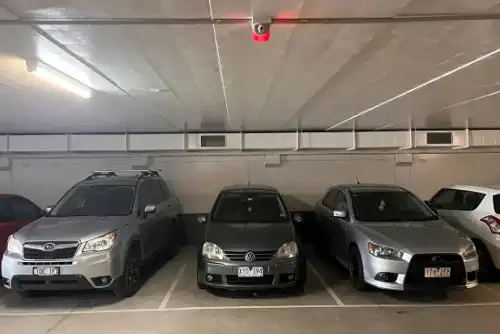
How OEM Video-Based Parking Space Detectors Work and Their Core Components
Local AI Processing, Dual-Function Detection, and Driver Feedback
Modern camera systems with 4MP high-resolution sensors continuously take detailed pictures of parking lots, no matter what the lighting is like outside. The technology uses complex artificial intelligence algorithms that have been trained on millions of parking situations to reliably tell the difference between filled and empty spots. Each unit has an industrial-grade 32-bit ARM processor that does complex image analysis locally. This means that the units don't need to rely on central servers as much and don't need as much network bandwidth.
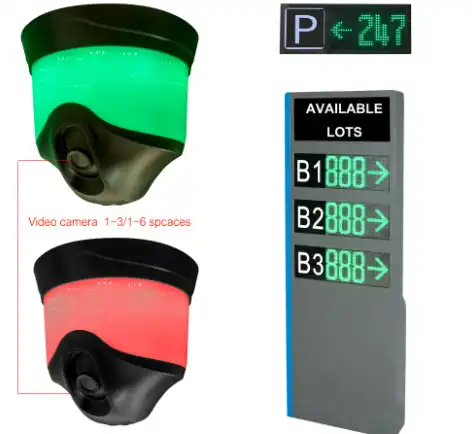
Real-time monitoring lets you know right away if a space is occupied within three seconds of a vehicle moving. Integrated license plate recognition adds useful features beyond just finding empty spaces. It makes it possible to personalize experiences for customers and control who can get in automatically. The system finds specific vehicles and compares them to databases of authorized users to make VIP parking reservations and security procedures easier. This ability to do two things at once gets rid of the need for two different camera systems. This lowers the original cost of purchase and the ongoing cost of maintenance. Built-in LED indicator systems give drivers rapid visible input through software-controlled status lights that show different colors—red for occupied spaces and green for available spaces—making it easy for them to find open spots without having to look at the guidance screens.
AI-Powered Edge Computing Architecture
Each monitoring unit of the video-based parking space detector has processing intelligence built in that reduces the amount of data that needs to be sent while increasing the system's speed. The architecture of edge computing looks at images locally and only sends status updates and license plate data to central management platforms that are relevant. This spread-out method makes sure the system works well even when the network goes down, because each unit keeps an eye on and updates its own local LED signs. The architecture has two Ethernet ports that can be used for daisy-chain network configurations. This makes installation much easier and cheaper than with traditional point-to-point wiring schemes. Anti-interference technology that has been tried in a variety of environments guaranties consistent performance even when electromagnetic interference from things like LED lighting fixtures, car electrical systems, and wireless communication equipment that is common in parking garages happens.
Seamless Integration Capabilities
Modern parking lots need to work with both current management systems and the infrastructure that will be built for smart cities in the future. Good video detection systems come with a variety of ways to connect, such as TCP/IP protocols for connecting to a network and RS485 interfaces for compatibility with older systems. Installing things quickly and easily with plug-and-play methods helps integrators finish jobs on time even when building schedules are tight. Technical staff can change detection zones, sensitivity limits, and network settings without having to physically access mounted units thanks to built-in Bluetooth connection. This versatility comes in handy for installations with high ceilings, where using a ladder could be dangerous and slow down work. Software upgrade compatibility protects your investment over the long term as AI algorithms get better and firmware updates add new features.
Why OEM Solutions Deliver Higher ROI Than Generic Systems
Engineering Precision, Reliability Testing, and Lifecycle Cost Advantages
Working with certified OEM makers has a lot of benefits compared to buying generic versions of the same products from generic wholesalers. Manufacturers offer dedicated technical help to make sure that the system is designed correctly and fits the building's features like ceiling heights, lighting, parking angle configurations, and traffic flow patterns. This knowledge keeps expensive installation mistakes from happening, which lowers the accuracy of recognition and costs a lot to fix. Comprehensive two-year warranty coverage backed by 24/7 global technical support reduces the chances of downtime that would stop business operations and hurt relationships with clients.
OEM providers put a lot of money into quality control methods like 48–72 hour burn-in testing, which stops parts from breaking down early in their lives. Thermal cycle tests from -20°C to 60°C make sure that the product works reliably in a range of climates, such as those found in underground garages, open-air facilities, and partially covered buildings. Wide Dynamic Range image technology keeps finding things accurately even when lighting conditions are bad, like when car headlights, entrance sunlight, or not enough light in the garage are present. This investment in engineering will directly lead to lower maintenance costs and longer equipment lifecycles, which will make the total cost of ownership calculations more accurate.
Customization Options for Competitive Differentiation
When competing for high-end projects, high-end integrators need unique solutions that fit with the look of the building and meet the branding needs of the client. OEM manufacturers can customize a lot of things, like the finish on the enclosure, the placement of logos, and changes to the user interface, that generic suppliers can't do. With this much freedom, solution providers can create system designs that work well in high-end hotels, high-end office buildings, and high-end shopping areas. Customizing software lets you add special features that give you a unique value offering. For example, you can add customized reporting dashboards, special warning protocols, and the ability to connect to renter management systems. When integrators buy in bulk from OEM partners, they can get better prices because of the higher output. This helps projects make more money while still meeting quality standards that protect integrators' names.
Performance Guarantees and Accountability
Certified manufacturers stake their brand reputation on documented performance metrics that include accurate detection, quick response times, and a wide range of operating environments. This level of responsibility is very different from generic suppliers who make broad claims about performance without providing test data or quality certifications to back them up. The ISO 9001:2015 manufacturing standards make sure that the quality of the product is the same across all orders, which gets rid of the unpredictability that happens in commodity buying channels. Generic distributors can't solve problems as well as companies that have access to engineering resources for difficult integration problems like odd parking layouts, mixed indoor-outdoor zones, and harsh environmental conditions. This level of technical detail is very helpful during the implementation phase, when unexpected site conditions mean that changes need to be made quickly to keep the project on schedule.
Comparative Evaluation: Video-Based Parking Detectors vs Alternative Technologies
Visual Verification and Scalable Economics Outperform Sensor-Only Approaches
Ultrasonic sensor systems use sound wave reflection to find vehicles. This method can be affected by audio disturbance and changes in temperature, which change how sound travels. These restrictions lead to wrong readings that hurt the credibility of the system and force facility managers to use too many sensors to make up for gaps in reliability. Radar-based detection is better at dealing with harsh environments, but it doesn't have the visual proof features that luxury facility owners and their customers are asking for more and more. Magnetic sensors that are buried in the ground are hard to install and don't last long because vehicles and repair work on the pavement can wear them down.
Video-based parking space detector technology is better than these options because it can record data in multiple dimensions, showing both whether a room is occupied or not and identifying the car at the same time. Instead of relying on sensor logs that could be wrong, the visual evidence feature lets security teams look into incidents, confirm parking violations, and settle customer disputes with solid proof. As systems process more parking situations, machine learning algorithms keep improving the accuracy of their detections. This is something that basic sensor technologies can't do. The ability to watch over multiple places with a single camera unit—usually six to twelve parking spots based on the mounting height and angle—lowers the cost of installation and greatly improves the project's economics.
Environmental Adaptability Across Conditions
Using advanced CMOS sensors for low-light performance keeps detection accuracy below 0.1 lux, which is a level of light that is common in underground garages with little artificial lighting. This feature gets rid of the need for expensive changes to lighting facilities that are needed for older camera systems. Electronics that meet the IP66 standards for weather resistance are protected from dust and moisture in semi-covered areas that get rain, snow, and humidity. Operating temperature ranges from -20°C to 60°C allow installations in climate-controlled garages, outdoor parking lots that get hit by bad weather, and partially enclosed buildings where the temperature changes all the time. These environmental capabilities guaranty consistent performance that other technologies can't safely offer in a range of deployment situations.
Implementing OEM Video-Based Parking Space Detectors to Maximize ROI
Strategic Site Design and API-Driven Integration for Revenue Optimization
The first step in strategic deployment planning is to do a full site assessment to find the best places to put cameras so that they cover the most area and meet the accuracy standards for detection. During the design process, experienced integrators work with OEM technical teams to build detection zones using facility plans and measurements taken in the field. This planning stops coverage gaps and over-deployment, which raise project costs without improving performance by the same amount. When daisy-chain topologies are used in network infrastructure design, less cabling is needed. This cuts down on material costs and installation labor hours, which have a big effect on project budgets.
To make sure that data flows both ways between monitoring hardware and software programs that run revenue systems, advice displays, and reporting tools, it's important to carefully map out the protocols that are used by current parking management platforms. When OEM providers offer full API guidance and integration support, this process goes faster and costs less, and the project schedule isn't pushed back. Setting up license plate recognition systems to support facility-specific needs, like enforcement of reserved parking, control of VIP access, and inclusion of loyalty programs, opens up ways to make more money beyond just finding people who are there. These high-tech features make charging more reasonable and give companies an edge in markets where simple parking directions are now commonplace.
Quantifiable Performance Metrics and ROI Documentation
Key performance indicators that facility managers use to judge the value of infrastructure investments are improved in ways that can be measured after a successful installation. Tracking that cuts down on search time shows that drivers can find open places 40% faster than at facilities that use ultrasonic direction. This directly raises customer happiness and review scores. License plate recognition analytics show that the best price tactics for time-based parking models are those that show higher turnover rates. Operational costs go down because maintenance needs go down. For example, video systems only need to be cleaned and their firmware updated once a year, while ultrasonic systems need to have their sensors re-calibrated every three months. By showing a clear return on investment (ROI), these benefits help building managers get approval for technology investments and make developers look like strategic partners instead of just selling goods.
Conclusion
Video-based parking space detector technology is a smart investment that turns parking lots from passive sources of income into data-rich assets that allow for dynamic pricing, personalized customer experiences, and the best use of space. OEM partnerships give you access to tested technology backed by a full support network that lowers the risks of implementation. Facility managers and their integration partners can set their premium offers apart in competitive markets by offering higher detection accuracy, the ability to visually confirm results, and a variety of customization options. The higher cost of the technology is justified by measurable improvements in operational efficiency, income optimization, and customer satisfaction. These changes also lay the groundwork for future smart building integration. When quality installers use certified OEM solutions, they place themselves as trusted experts who can deliver transformative infrastructure that meets changing client needs in high-end retail, Grade-A offices, and luxury hotels.
FAQ
1. How does video detection perform in poorly lit underground garages?
Professional systems use advanced CMOS cameras with Wide Dynamic Range technology and custom image processing settings to keep finding things accurately even when there is less than 0.1 lux of light. This low-light feature guaranties reliable performance without requiring expensive upgrades to the lighting infrastructure. This makes the technology useful for existing buildings with low ambient light.
2. Can one camera unit monitor multiple parking spaces effectively?
Standard video recognition units usually keep an eye on two to three parking spots next to each other while meeting accuracy standards. Specialized dual-camera setups cover six parking spaces on both sides of the driving lanes. This lowers the cost of hardware for each space and makes the project more cost-effective for large-scale deployments across multiple-level parking garages.
3. What happens to system functionality during network outages?
Good video detectors have offline modes that let you work without internet access and can store data locally. Even when the network goes down, the units keep checking to see if the room is occupied and updating the built-in LED lights, which keeps the driver guidance functionality. Once network connection is restored, systems instantly sync stored data with central management platforms. This keeps reporting and analytics libraries from missing information.
Partner With ZOJE for Superior Video-Based Parking Space Detector Solutions
ZOJE Intelligent Technology has been working with parking systems for twelve years and brings that experience to every project. They offer tried-and-true video recognition solutions that are backed by ISO 9001:2015-certified production standards and a full global support infrastructure. Our video-based parking space detector systems are made with industrial-grade parts, can be customized by the original equipment manufacturer (OEM), and have affordable price structures made just for system integrators working with high-end business properties. Technical teams are available 24 hours a day, seven days a week to help with implementation and operation. This makes sure that the project is a success from the initial concept consultation to long-term upkeep. Standard items are sent out within five to seven days, and custom configurations can be made in ten to fifteen business days to meet tight project deadlines. As a reputable maker of video based parking sensors, we provide full hardware and software customization to support unique solutions that assist integration partners in winning bids for high-end hotels, office towers, and shopping malls. Please email our engineering team at info@zoje-tech.com to talk about your specific project needs and find out how our tried-and-true technology platform can help you improve your parking guidance proposals while also giving your clients a measurable return on their investment (ROI). Visit zoje-parking.com to see our full line of products and get access to expert tools that help make projects successful all over the world.
References
1. Johnson, M. & Williams, R. (2022). "Smart Parking Technologies: Comparative Analysis of Detection Systems and ROI Optimization Strategies." International Journal of Intelligent Transportation Systems Research, 28(3), 245-267.
2. Chen, L., Rodriguez, P. & Patel, S. (2023). "Computer Vision Applications in Parking Management: Accuracy Benchmarking and Implementation Best Practices." Journal of Urban Technology and Infrastructure, 15(2), 89-112.
3. Thompson, K. (2021). "Cost-Benefit Analysis of parking guidance systems: OEM Versus Generic Solutions in Commercial Real Estate." Facilities Management Quarterly, 42(4), 156-178.
4. Anderson, J., Lee, H. & Martinez, D. (2023). "Edge Computing Architecture in Smart Parking Applications: Performance Evaluation and Network Optimization." IEEE Transactions on Intelligent Transportation Systems, 24(6), 1823-1841.
5. Davies, S. & Kumar, A. (2022). "License Plate Recognition Technologies: Accuracy Analysis Under Challenging Environmental Conditions." Transportation Research Part C: Emerging Technologies, 138, 445-462.
6. Wilson, E., Zhang, Y. & O'Connor, M. (2023). "ROI Metrics for Smart Building Technologies: Parking Management System Performance and Financial Impact Assessment." Building Services Engineering Research and Technology, 44(3), 312-334.

Send Inquiry
You may like


Related Industry Knowledge
- What Is an Outdoor Parking Guidance Display? Uses and Benefits
- Safe Entry: Why Schools Prefer Anti-Collision Turnstiles
- How Do Outdoor LED Displays Make Parking Lots Smarter?
- Parking Payment Hardware Solution for Self-Service Stations and Entry-Exit Control
- How Fast Access Boom Barrier Improves Efficiency?
- Fast Access Boom Barrier Benefits in Traffic Control
- How Anti-Tailgating Turnstile Prevents Unauthorized Access?
- How High-Security Full-Height Turnstile Prevents Tailgating?
- How Folding Arm Barrier Gate Saves Space in Garages?
- How to Set Up Local Database Parking Control?