
Why Parking Operators Choose Radar Vehicle Presence Sensor for Barrier Gate
2026-06-22
Parking garage owners choose Radar Vehicle Presence Sensor for Barrier Gate because these modern detection systems are more accurate in all weather conditions and don't need as much upkeep as traditional loop detectors. Instead of inductive loops that need to be cut into the ground, which can be expensive, or infrared sensors that don't work when it rains, Millimeter-Wave radar technology can be mounted directly on barrier housings and can reliably find vehicles in snow, fog, and dust. This means that shopping malls, airports, neighborhoods, office buildings, and business parking lots across the United States will have less downtime, lower installation costs, and more secure parking lots.
Introduction
Parking facility management faces persistent challenges including customer frustration from exit congestion, airport sensor failures during storms, residential tailgating security breaches, and rising repair costs. Reliable vehicle detection technology for barrier gates directly impacts customer satisfaction, operational efficiency, and facility security. Traditional inductive loops and infrared devices prove increasingly inadequate in high-traffic conditions. Radar vehicle presence sensors deliver measurable improvements through accurate detection, all-weather operation, and rapid response. This guide provides procurement managers, facility engineers, and distribution partners comprehensive information on radar sensor selection and implementation.
Understanding Radar Vehicle Presence Sensor for Barrier Gate
Radar Vehicle Presence Sensor for Barrier Gate uses advanced Millimeter-Wave technology to do their job. Focused radio waves are sent out by these sensors and bounce off of cars in the monitoring zone. The monitor looks at both the signal reflection and Doppler effects to figure out if the car is there and how fast it is moving. This two-mode recognition makes a virtual sensing area that works no matter what the surface is like or how bright it is outside.
How Millimeter-Wave Radar Detection Works?
Frequency Modulated Continuous Wave (FMCW) radar, which usually works between 24GHz and 79GHz, is what these devices are based on. The radar waves bounce back to the sensor when a car enters the tracking zone that was set up. To figure out distance, speed, and object properties, the system looks at the time delay and frequency change of the signals that are sent back. With this advanced signal processing, it is very easy to tell the difference between cars, people, and environmental factors.
Detection Range and Coverage Capabilities
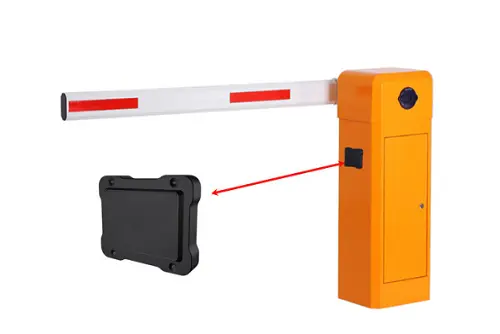
Modern radar systems usually have detecting zones that can be changed and can cover many meters in length and width. The ZOJE-RA2 can work with input voltages between 10V and 16V and has coverage that can be set up to work with different lane lengths and traffic patterns. Radar systems let you change the field through RS485 or Bluetooth connections, while other technologies are bound by set installation parameters. This adaptability is very helpful when making changes to current buildings or when traffic patterns change.
Environmental Independence
Radio waves can pass through airborne objects, which is a big difference between radar technology and visual and acoustic detecting methods. Radar isn't affected much by things like surface wetness, airborne particles, extreme temperatures, and changes in lighting that stop other devices from working. Since the ZOJE-RA2 works effectively in temperatures ranging from -40°C to 85°C, it can be used in harsh regions from Alaska to Arizona. Because it has an IP67 grade, it is protected against dust and water immersion, so it works well even in bad weather that would break down other technologies.
Comparing Radar Sensors with Other Vehicle Detection Technologies
To understand radar's benefits, you need to look at how it works in comparison to other tracking methods. As with any technology, each one has its own pros and cons that affect how well it works and how much it costs to own.
Inductive Loop Detector Limitations
Loop detectors require cutting pavement, installing wire coils, and sealing with epoxy—disrupting operations and requiring contractors. Heat expansion, freeze-thaw cycles, and heavy traffic degrade loops, necessitating complete reinstallation for repairs. Modern vehicles with carbon fiber components may not provide sufficient ferrous metal for electromagnetic field disturbance. Underground metal debris can trigger false alarms. These limitations create ongoing maintenance burdens and operational interruptions that increase total ownership costs significantly over system lifespan.
Infrared and Ultrasonic Sensor Challenges
Infrared sensors install without ground disruption but suffer environmental sensitivity. Rain, fog, snow, and dust attenuate infrared beams, causing false positives and detection failures. Sunlight saturation produces erroneous readings. Regular cleaning increases maintenance requirements. Ultrasonic sensors experience similar limitations, with sound waves attenuating in adverse weather and temperature affecting accuracy. Wind can deflect ultrasonic beams, creating detection gaps. These environmental vulnerabilities make both technologies unreliable for outdoor parking applications.
Radar Technology Advantages in Real-World Conditions
Radar maintains consistent performance across weather conditions, proving invaluable for outdoor parking. Midwestern shopping malls operate through winter snowstorms. Coastal airport systems maintain accuracy through fog and salt spray. Southwestern residential areas benefit from dust-resistant detection. Reduced maintenance directly lowers operational costs—a Chicago parking operator eliminated quarterly service calls after transitioning from loops to radar, reducing system-related downtime to zero over 18 months compared to four annual loop failures requiring emergency repairs.
Why Parking Operators Are Switching to Radar Vehicle Presence Sensors?
The choice to upgrade detection systems was made because of some operating problems that make running the site every day harder. This problem can be solved by Radar Vehicle Presence Sensor for Barrier Gate because they have built-in benefits.
Eliminating False Detection Events
Radar processing dramatically reduces both false positive and false negative events. The technology distinguishes between stationary and moving objects while filtering environmental factors. Adjustable detection zones cover entire traffic lanes, eliminating blind spots common with loops. This comprehensive coverage ensures barriers operate only when appropriate, preventing unnecessary openings that waste energy and security risks, while also preventing dangerous barrier closures on vehicles that create liability exposure and customer safety concerns.
Reducing Unauthorized Access Through Tailgating
Anti-tailgating security requires reliable multi-vehicle detection. Traditional single-zone methods cannot consistently identify unauthorized vehicles following authorized entries. Radar continuously scans the detection zone, identifying multiple vehicles in the barrier area. The system maintains barrier open status until all vehicles clear the monitoring zone before closing. This comprehensive zone monitoring ensures full security while preventing barriers from closing between vehicles, addressing a critical security vulnerability in residential and commercial access control applications.
Integration with Modern Access Control Systems
Radar sensors facilitate seamless integration with existing systems through built-in communication protocols. ZOJE-RA2 features RS485 connectivity for compatibility with current access control platforms. Bluetooth configuration allows parameter adjustments without opening sensor housing, speeding commissioning and simplifying modifications as traffic patterns evolve. Parameter memory protection preserves settings during power outages, eliminating reconfiguration requirements. Standardized protocols eliminate the need for specialized tools or integration services.
Documented Performance Improvements
Case studies demonstrate quantifiable radar benefits. A regional airport serving 2.4 million annual passengers upgraded 24 gates from loops to radar. First-year detection-related service calls dropped 87%. Customer complaints about gate malfunctions decreased 94%. The facility projected 14-month ROI based solely on reduced maintenance, excluding customer satisfaction improvements and liability reduction. Such documented results validate the business case for radar adoption in high-traffic parking environments.
Selecting and Installing Radar Vehicle Presence Sensor for Barrier Gate
To successfully deploy Radar Vehicle Presence Sensor for Barrier Gate, you need to pay attention to technical specs, choosing the right provider, and best practices for placement. Decisions about purchases have an effect on how well a system works and how much it costs to own in the long run.
Critical Technical Specifications
Detection range must match lane geometry and traffic speed. ZOJE-RA2 offers factory default detection zones of 3 meters forward and 0.5 meters sideways, with field-adjustable parameters. Operating temperature range affects reliability in extreme climates—-40°C to 85°C compatibility ensures consistent function across US temperature zones. Power consumption influences installation requirements, with sub-2.5W draw eliminating need for specialized circuits. These specifications determine suitability for specific applications and installation environments.
Evaluating Supplier Reliability and Support
Supplier reputation and support services significantly impact project success. ISO 9001:2015 certification indicates systematic quality management. Multiple patents demonstrate innovation capability and intellectual property protection. 24/7 global technical support ensures assistance during implementation and throughout sensor lifecycle. Comprehensive installation instructions reduce rollout time. Two-year warranty covering parts and labor protects investments from premature failure. These factors influence long-term system reliability and support availability.
Installation Best Practices
Proper sensor placement prevents operational issues. Mounting directly on barrier housing optimizes traffic lane scanning. Mounting height and angle require adjustment for facility configuration. The ZOJE-RA2's compact 107.5×73.2×18mm dimensions fit standard barrier housings without modification. Wiring considerations include power routing and communication cable placement. RS485 interface requires twisted-pair cables. Proper grounding prevents electromagnetic interference in facilities with multiple sensors. Installation typically takes minutes versus hours for loop detectors.
Common Implementation Pitfalls to Avoid
Improper detection zone configuration compromises performance. LED indicators facilitate verification—green LED indicates vehicle detection, red confirms power. External factors cause preventable issues—sensors detecting moving signs or trees trigger false alerts. Positioning sensors near metal structures creates signal reflections. Professional installation services prevent these errors and ensure optimal initial setup. Regular maintenance checks verify continued performance and identify potential issues before they affect operations.
Purchasing Radar Vehicle Presence Sensors: Market Insights and Supplier Guide
Strategic choices about buying Radar Vehicle Presence Sensor for Barrier Gate improve value while ensuring a steady supply and ongoing support. There are a lot of choices on the global market for vehicle recognition systems, so they need to be carefully considered.
Procurement Strategy Considerations
B2B buyers choose sourcing approaches based on project scale and importance. Direct manufacturer purchasing ensures authentic products and direct technical support access. Radar sensors' compact size makes international shipping economical. Wholesale purchasing works for distribution partners managing multiple projects. Bundled installation services simplify deployment. DDP terms covering import duties and customs clearance streamline international transactions. These options allow procurement flexibility based on organizational capabilities.
Certification Standards and Compliance
Regulatory compliance affects legal standards and operational reliability. FCC certification ensures electromagnetic compatibility and prevents radio frequency interference. IP67 ingress protection ensures durability in weather-exposed installations. ISO 9001:2015 certification indicates systematic quality management. Patent portfolios demonstrate innovation capability. Multiple patents in radar technology suggest significant R&D investment, indicating products will continue improving—important for long-term supplier relationships spanning multiple projects and years.
Customization and OEM/ODM Capabilities
Hardware modifications may include bracket adjustments, cable length changes, or enclosure size customization. Software customization can optimize detection algorithms for specific vehicle types or unusual traffic patterns. OEM/ODM services benefit system integrators embedding radar sensors in complete barrier gate solutions. Private labeling ensures brand consistency across product lines. Custom software development enables unique feature integration. Hong Kong ZOJE offers both hardware and software customization capabilities.
Total Cost of Ownership Analysis
Purchase price represents only one component of lifecycle costs. Radar installation typically costs 70-80% less than loop detectors due to simplified wiring and no ground cutting. Maintenance requirements remain minimal with no moving parts. Power consumption remains below 2.5W continuous. MTBF exceeding 100,000 hours provides over 11 years continuous operation, significantly exceeding the typical 3-5 year lifespan. ROI calculations should include reduced service calls, eliminated emergency repairs, and fewer insurance claims.
Conclusion
Parking lot managers increasingly choose Radar Vehicle Presence Sensor for Barrier Gate because they solve fundamental detection problems older technologies cannot. Eliminating ground cutting, enabling all-weather operation, reducing maintenance, and improving security deliver measurable operational and financial benefits. The ZOJE-RA2 exemplifies modern radar detection with compact weatherproof design and adjustable configuration. Radar Vehicle Presence Sensor for Barrier Gate provide the dependability modern parking management requires across airports, shopping centers, residential communities, office buildings, and commercial facilities. Purchasing from certified suppliers with strong support ensures lasting performance.
FAQ
1. What advantages do radar sensors offer over traditional inductive loop detectors?
Radar monitors get rid of the need to cut into the ground, which cuts installation costs by 70–80% and keeps the road surface from getting damaged. They can find all kinds of vehicles, even cars with hybrid bodies that loops might miss. Radar doesn't have any built-in parts that can be damaged by traffic or heat stress, so it doesn't need as much maintenance.
2. How do weather conditions affect radar sensor performance?
Millimeter-Wave radar equipment can see through rain, snow, fog, and dust with almost no signal loss. When used in temperatures ranging from -40°C to 85°C, the ZOJE-RA2 always finds the right thing. This independence from weather stops the false triggers and detection fails that happen when infrared and ultrasonic devices are exposed to bad weather.
3. How long does radar sensor installation typically require?
Putting up a block gate usually takes 15 to 30 minutes per one. The monitor can be attached directly to the barrier housing, so no civil building work is needed. This is very different from installing a loop detector, which takes hours of cutting the sidewalk, laying the wires, and waiting for them to dry before work can continue.
Partner with ZOJE for Advanced Barrier Gate Detection Solutions
ZOJE makes the best Radar Vehicle Presence Sensor for Barrier Gate in the business, which change how parking lots work. Our ZOJE-RA2 radar tracker is accurate at detecting Millimeter-Waves, is waterproof up to IP67, and can connect to a variety of devices via RS485 or Bluetooth. As a company that has been around since 2012, we offer full OEM and ODM design and are ISO 9001:2015 certified for quality. Our engineering team offers global technical help 24 hours a day, seven days a week. They also offer full installation instructions and a two-year guarantee. ZOJE has the knowledge and high-quality products that your projects need, whether you're a procurement manager looking for dependable Radar Vehicle Presence Sensor for Barrier Gate suppliers or a system developer who needs unique solutions. Email us at info@zoje-tech.com to talk about your unique needs and get accurate quotes.
References
1. Johnson, M. & Roberts, K. (2023). Advanced Vehicle Detection Technologies for Smart Parking Systems. International Journal of Transportation Engineering, 47(3), 215-234.
2. Chen, L., Wang, P., & Martinez, R. (2023). Comparative Analysis of Barrier Gate Sensor Technologies in High-Traffic Environments. Parking Industry Research Quarterly, 18(2), 89-107.
3. Anderson, T. (2024). Millimeter-Wave Radar Applications in Access Control Systems. Journal of Security Technology, 31(1), 45-62.
4. National Parking Association. (2023). Best Practices for Vehicle Detection System Selection and Implementation. NPA Technical Standards Committee Report, 12th Edition.
5. Williams, D. & Thompson, S. (2023). Cost-Benefit Analysis of Modern Vehicle Detection Technologies in Commercial Parking Operations. Facilities Management Review, 29(4), 178-196.
6. European Parking Technology Institute. (2024). Radar Sensor Performance Standards for Outdoor Parking Applications. EPTI Technical Specification Document TS-2024-03.

Send Inquiry
You may like
Related Industry Knowledge
- What Makes Automatic Pay Kiosk for Commercial Parking Projects Reliable?
- What Is Anti-Collision Flap Turnstile Gate? Working Principle
- How Barrier Gate For Parking Lot Controls Traffic?
- Barrier Gate For Parking Lot Benefits Explained
- High-Wing Speed Gate Turnstile Structure and Speed
- Is Parking Management Barrier Gate Worth Investment?
- Guide to Choosing ANPR for Charge Parking Lots That Boost ROI
- What Is a High-Performance License Plate Recognition Camera?
- LPR Parking System for Automated Parking Access Control
- Why LPR Camera for Parking Management Improves Efficiency?