
Best ANPR System for Commercial Parking: Buyer’s Guide
2026-08-18
Selecting the right ANPR system for commercial parking can transform operational efficiency while drastically reducing costs associated with manual ticketing and staffing. An ANPR system for commercial parking leverages advanced Optical Recognition (OCR) technology and high-definition cameras to automatically capture and process vehicle license plates, enabling touchless entry and exit experiences that modern drivers expect. Whether managing a bustling shopping mall with thousands of daily visitors, a corporate office campus requiring permit enforcement, or an airport parking facility demanding robust security protocols, the right automatic license plate recognition solution addresses congestion, revenue leakage, and security vulnerabilities head-on. This comprehensive buyer's guide walks procurement teams through critical evaluation criteria, technology comparisons, and practical implementation strategies to help you invest confidently in parking automation that delivers measurable return on investment.
Understanding ANPR Systems for Commercial Parking
How ANPR Technology Works in Parking Environments
The main thing that makes an ANPR system for commercial parking work is that it can reliably read license plate data in a variety of settings. When a car gets close to the entry lane, high-resolution cameras with infrared lights take a picture of the license plate, no matter how bright it is outside. Then, OCR techniques are used by onboard computers to get letters and numbers out of the captured picture. The system checks this information against whitelists, payment databases, or permit records that are kept locally or in the cloud within milliseconds. This whole process happens so quickly that gates open themselves without cars having to stop. This makes wait times much shorter during rush hours.
Modern systems can recognize more than 99% of plates because they use deep learning algorithms that have been taught on millions of different plate versions, such as fonts, color schemes, and regional forms from all over the world. Edge computing lets recognition processing happen directly on the camera hardware instead of on centralized servers. This gets rid of network delay problems and keeps the camera working even when the internet goes down.
Core Benefits That Drive ROI
Using automatic plate recognition technology makes operations better in real ways that justify spending money on it. Industry studies show that entry and exit points can be up to 60% less crowded when vehicles don't have to stop for ticket machines or manual validation. This makes traffic flow much better. Security teams can see where cars are at all times and can get quick alerts when vehicles trying to get in without permission or staying longer than allowed can be seen.
Unlike traditional ticketing systems that are vulnerable to lost tickets, fake claims, and staff manipulation, this system protects revenue much better. Every time a car enters or leaves the property, it is digitally recorded with a timestamp and a picture. This creates an auditable path that stops disputes and closes holes that let people get away with not paying fees. The advanced ANPR system for commercial parking solutions includes data analytics tools that give facility managers useful information about peak usage patterns, average stay times, and occupancy trends. This information helps them set prices and decide how much space to use.
Essential System Features to Evaluate
There are a number of technical factors that affect long-term performance and satisfaction when comparing different automatic license plate recognition solutions. Enterprise-grade systems are different from individual goods because they can recognize things accurately even in bad weather. Don't just believe what the seller says about how accurate the device is in perfect conditions; also look at how well it works in rain, snow, fog, and very bright sunlight. Wide dynamic range (WDR) image technology makes sure that license plates can be read whether cars are coming from the sun or the shade.
How well the system works with existing infrastructure depends on how flexible the integration is. Standardized standards like Wiegand and TCP/IP, full API support, and compatibility with major payment companies and barrier control systems keep you from having to pay a lot of money to make changes in the future. As the needs of a facility change, scalability becomes very important. Cloud-based architectures make it easy to move from single-lane installations to deployments across multiple sites without having to buy a lot more server hardware or make IT more complicated. Outdoor-rated enclosures that are tough and have IP66 weatherproofing and IK10 vandal resistance will last for a long time in harsh commercial settings where equipment is exposed to extreme temperatures, moisture, and the possibility of being tampered with.
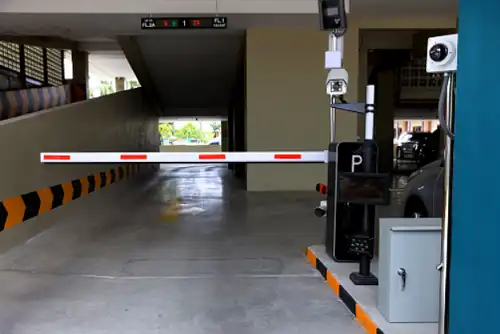
How to Choose the Best ANPR System for Your Commercial Parking Lot
Defining Your Operational Requirements
If you want to be a good buyer, you should first be honest about your needs and not just buy things based on their features. Owners of shopping malls with more than 2,000 parking spots and high turnover rates have very different needs than owners of residential communities with 300 monthly pass holders. Write down how many vehicles drive through your facility every day, how busy it is during peak hours, and whether your pricing is based on flat rates, hourly increases, or complicated tiered models with validation discounts.
Different types of facilities have very different security needs. For airport parking, you need strong watchlist screening tools and the ability to connect to law enforcement databases. In office parks, on the other hand, managing permits and registering visitors are more important. Knowing these details ahead of time will help you choose an ANPR system for commercial parking that is properly set up, so you don't end up paying for features you won't use or finding out after installation that it doesn't work with your needs.
Critical Selection Criteria
Accuracy in recognition is still the most important technical requirement, as each missed or misread plate can lead to lost revenue and unhappy customers. Ask for detailed performance data that shows how well the system works with different types of license plates, speeds of up to 40 km/h, and difficult lighting conditions. If your place of business gets a lot of different kinds of people, make sure that the systems can handle vanity plates with custom styles, multi-line plates, and foreign forms.
Along with technical specs, the reputation of the vendor and their support infrastructure should also be taken into account. Check the track records of manufacturers with installations that are similar to the size and complexity of yours. Certifications like ISO 9001:2015 show that quality management is well-developed, and patent portfolios show that R&D funds are still being spent. It's very important to make sure that technical help is available 24/7 and that reaction times are guaranteed by service level agreements, because parking businesses can't afford to be down for long periods of time.
Everyone is affected by how easy it is to use software, from IT administrators setting up system parameters to security staff watching live feeds to finance teams getting reports. Ask to be shown how to use the management interfaces and check to see if the workflows are easy to understand or need a lot of training. Data safety must be respected at all times, especially when doing business in places with strict rules. Make sure systems have tools for encrypting data, automatically deleting old copies, and managing agreements that are in line with GDPR and other similar rules.
Cloud-Based vs On-Premise Deployment Models
Choosing between cloud and on-premise infrastructure for architecture has long-term effects on costs, scalability, and who is responsible for maintenance. Cloud-based ANPR systems for commercial parking have a lot of benefits for owners of more than one site who need centralized management dashboards and software updates that are pushed to all sites instantly by the suppliers. Costs are spread out over time with subscription pricing models instead of needing a lot of money up front, which usually works better with operational budgeting.
On-premise setups are good for businesses that need to keep data safe or that already have a strong IT infrastructure that can handle adding more systems. The initial cost of these systems is usually higher, but the ongoing fees are cheaper. This makes the total cost of ownership competitive over longer periods of time. More and more people are using hybrid approaches, which combine local edge processing for real-time access control with cloud connectivity for analytics and reporting. These methods offer both resilience and modern management ease.
Comparing ANPR to Other Parking Technologies
ANPR vs Traditional RFID Solutions
For decades, business parking lots have used radio-frequency identification (RFID) systems to control entry by using tags on car windshields or keycards. RFID works well for limited groups of people, like employee parking, but it adds friction points that automatic plate recognition gets rid of. Drivers have to remember tags, pay for new ones when the old ones break or when their vehicles change, and stop in exact spots so that readers can read them.
With license plate recognition technology, these problems don't exist at all because each car already has a unique identification number that doesn't need to be shared or changed by the user. This is especially helpful for parking lots with a lot of visitors, like those at airports and shopping areas, where giving tags to each visitor would be unnecessary. RFID is still useful in highly controlled areas where tags can be easily distributed and the technology can work with existing building access systems. However, automatic plate recognition is better for general commercial parking applications because it gives users a better experience and lowers the administrative burden.
Evaluating Leading Solutions
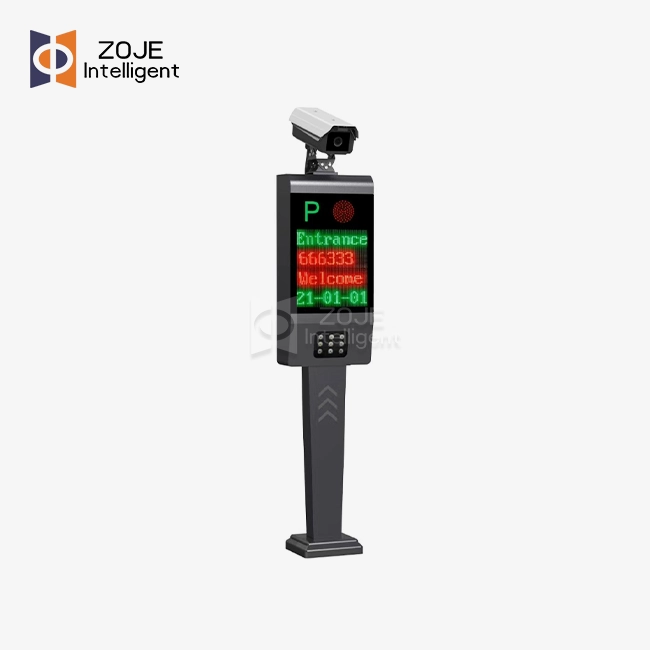
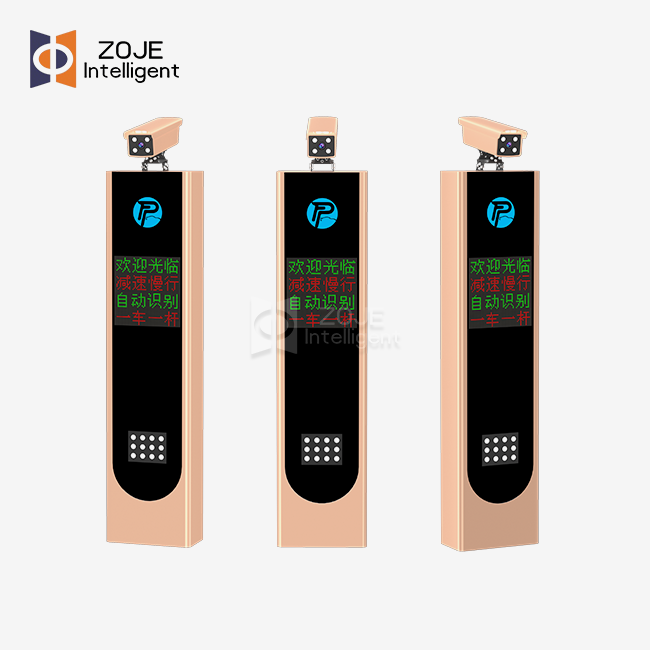
The ZOJE-LPR216 is cutting-edge for commercial parking. This system is 99% accurate at reading foreign license plates, and it can handle cars going up to 40 km/h without needing full stops. Its front-end recognition design does OCR processing right at the camera, so it doesn't depend on being connected to the internet or having a back-end server available. This approach to edge computing provides response times of less than 200 milliseconds and supports offline billing during internet outages, making sure that revenue collection continues without interruption.
This solution is different from simple ones because it has advanced features. The 70-degree wide-angle lens works well in tricky site shapes like those with limited depth or multiple approach angles, which happen a lot in repair installs. Intelligent picture optimization changes parameters automatically to keep recognition working in a range of lighting situations, such as bright sunshine, darkness at night, and bad weather. Vehicle classification goes beyond just capturing license plates. It can identify more than 150 car brands and 1,500 types, which lets prices be different for different sizes of vehicles, from small cars to big freight trucks. Modern digital payment standards include cloud system integration and mobile payment support. The solution can be tailored to specific operational needs through hardware and software customization, so it doesn't force process compromises.
Understanding Total Cost of Ownership and ROI
A budget analysis must look at more than just the sticker price. It must also take into account the cost of installation, ongoing maintenance, and the money saved by using the system over its lifetime. Initial hardware costs are usually between $2,500 and $8,000 per lane, depending on the type of camera and how hard it is to integrate. Installation costs an extra $1,000 to $3,000 per lane and includes skilled mounting, testing, and setting up the network. For cloud-based services, the monthly fee for each lane is usually between $50 and $150. On the other hand, on-premise systems need to have their software licenses renewed and their IT support staff hired on a regular basis.
There are several ways that these purchases pay off. When automated barriers replace staffed booths, labor costs go down right away and significantly. This could save between $40,000 and $60,000 per position eliminated each year, taking into account wages, benefits, and coverage needs. As systems close fee-evasion holes that come with ticket-based operations, they often protect revenue by 5 to 15 percent more. Lowering traffic and speeding up flow improve operational efficiency. This leads to better customer happiness scores and, in retail settings, measurable increases in dwell times and spending. Even with low expectations, most business projects show a return on investment (ROI) within 18 to 36 months.
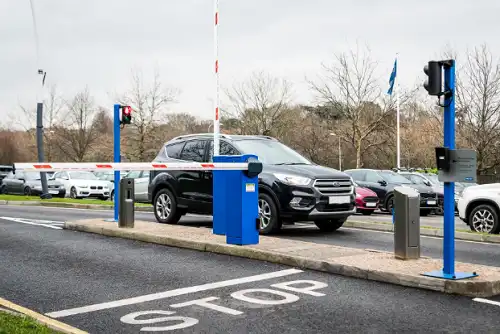
Procurement and Installation Process for ANPR Systems
Identifying Reputable Vendors and Suppliers
Choosing makers and suppliers with a history of success and strong support networks is key to setting up an ANPR system for commercial parking that works. Find out how long the company has been around and what it specializes in. ZOJE was founded in 2012 and has its headquarters in Shenzhen. It has over ten years of experience working only with parking automation and access control technologies, which shows how focused its expertise is. Specialization usually means that the company knows more about the product and can provide better long-term support than broad tech companies that treat parking systems as an afterthought.
Certification portfolios give objective proof of the level of production and engineering skills. Getting ISO 9001:2015 approval shows that you follow standard quality management procedures for planning, making, and providing services. Having a patent means that you are investing in innovation and intellectual property that makes your products stand out from generic ones. The most accurate performance indicators come from installations that were done in environments that are similar to yours. Ask for case studies from shopping malls, airports, office parks, or other places that fit your business's needs, and try to talk to example users directly about their real-life experiences.
Typical Installation Workflow
Professional implementation follows a structured process that makes sure systems work well with existing infrastructure and cause as little downtime as possible for operations. The project starts with site surveys, where technical teams look at the building's layout, where to mount things, the availability of power, how well the network connects, and any environmental factors that might affect where to put cameras. These evaluations help make detailed installation plans that include how much equipment to use, where to route the cables, and how to connect current hurdles, payment kiosks, and management software.
Installing hardware usually takes between one and three days per lane, depending on how complicated it is. Technicians set up waterproof camera housings at the best angles and heights, run power and network cables through duct systems, and make sure that the cameras work with barrier systems and payment systems. Setting up a system means adjusting the detection zones, teaching the recognition algorithms how to read local plate variations, setting up user databases or cloud connections, and testing the system thoroughly with a range of vehicle types and approach speeds. The deployment process is finished when all building workers have been fully trained on how to use the system, fix simple problems, and do administrative tasks.
Maintenance Services and Support Agreements
Proactive maintenance and quick technical help are very important for keeping a system running smoothly over time. Carefully look over the warranty terms. Reliable sellers usually offer two years of full coverage as standard. This should include problems with hardware, bugs in software, and performance drops below certain rates of recognition. Service level agreements (SLAs) spell out how quickly help will respond. Some of the most important parameters are maximum response times for system-down situations, expert support available 24/7, and emergency on-site service.
Regular preventive maintenance keeps a system running at its best and extends its life. Every three months, the camera lens should be cleaned, the stability of the cage seal should be checked, software should be updated, and the accuracy of recognition should be checked. Cloud-based systems get software updates automatically, but on-premise installations need to be maintained at set times so that patches and new features can be added. ZOJE's promise to visit customers' sites once a year is a good example of best practice relationship management. These visits give ZOJE a chance to check how well the system is working, talk about ways to make it better, and plan for new technology as operational needs change.
Financing Considerations
Payment systems have a big effect on cash flow and how the money is handled in the books. Outright buy needs a lot of money up front, but it gives you ownership of assets that lose value over time and gets rid of your ongoing vendor payment responsibilities. Costs are spread out over 36 to 60 months with leasing agreements. This saves money for other projects and includes upgrade options that keep technology up to date. Subscription models, which are common with cloud-based systems, turn one-time capital costs into predictable operating costs. This makes planning easier and bundles software changes and support into monthly fees. To find the best structures, you should compare these choices with your company's financial policies, tax issues, and technology replacement cycles. Many suppliers, including ZOJE, offer flexible terms that can be used with a range of buying habits and cash flow needs.
Overcoming Challenges and Ensuring Security with ANPR
Addressing Environmental and Operational Challenges
Automatic license plate recognition technology is getting better, but it still has problems in some environments and operational situations. The most common problem is bad weather, like heavy rain, snow, or fog that makes it hard to see the plates. High-quality systems lessen these effects with ultra-wide dynamic range imaging that changes exposure settings automatically, strong infrared lighting that can penetrate bad conditions, and algorithms that were taught on pictures that have been damaged. When planning an installation, it's important to think about things that are unique to the site, like strange approach angles, limited hanging space, or interference from nearby light sources. The ZOJE-LPR216's wide-angle coverage of 70 degrees is perfect for tight spaces that are hard for normal camera setups to work in.
Variability in plate conditions adds another level of difficulty. Plates that are dirty, broken, faded, or purposely obscured make it harder to recognize them. Deep learning algorithms are used in robust systems to figure out what characters are used based on plate syntax patterns and country-specific formatting rules, even when it's not possible to see the characters directly. When trust scores drop below certain levels, systems can start manual review processes. These can ask drivers to use backup IDs like payment cards or QR codes, or they can mark transactions as needing to be verified after the fact. These backup systems keep operations running while still making money and keeping security strong.
Data Protection and Privacy Compliance
An ANPR system for commercial parking creates large data stores with personally identifiable information by linking vehicle registrations to license plates. This leads to strict rules under the General Data Protection Regulation (GDPR) in Europe, the California Consumer Privacy Act (CCPA), and other laws around the world that are similar. Compliance starts with data minimization, which means only collecting the information needed for legal parking management purposes and not keeping it for longer than is necessary.
Encryption must be used for both sending and storing data, and only allowed people should be able to administer the system. Audit logging must be used to keep track of who viewed what information when. Automated keeping policies should get rid of transaction records after the time limits set by law, which are usually 30 to 90 days for regular parking transactions. Visitors must be informed about camera surveillance and data collection practices by clear signs. Privacy policies must also be easy to find and explain how data is used, stored, and subject rights. When you work with companies that have experience in regulated settings, you can be sure that your systems have all the compliance features they need and won't need to be expensively fixed up after an audit or complaint.
Integration with Broader Security Infrastructure
If you want to get the most out of license plate recognition, you should use it as part of a larger building security plan instead of just for entry control. Real-time tracking lets security operations centers keep an eye on how vehicles move around properties, spot odd trends like trying to get in over and over again without parking, or notice vehicles that are driving around too much without stopping. The "Watchlist" feature lets you import databases of vehicles linked to past accidents, unpaid fines, or police alerts, and it sends you immediate alerts when matches happen.
When license plate readers are integrated with video management systems, powerful investigation tools are made possible by instantly connecting license plate images with matching video clips to help recreate what happened. When plate recognition data is combined with occupancy management systems, it powers variable message signs that show empty spots and direct traffic to areas that aren't being used, which cuts down on traffic and makes the user experience better. With these connections, basic access control becomes a strategic asset that helps with operational efficiency, protecting revenue, and managing all aspects of security.
Conclusion
Putting money into a tried-and-true ANPR system for commercial parking is a smart move that changes how operations work, makes security better, and makes the customer experience much better across all types of facilities. The technology has grown past its early problems and can now provide high reliability even in harsh environments. It also offers flexible deployment options that can be used with a range of budgets and IT infrastructure. To make a good purchase decision, you need to look at more than just the features. You should also think about how accurate the recognition is in the real world, how flexible the integration is, and the total cost of ownership over the system's working lifetime. Modern features like edge computing architecture, a lot of vehicle classification, and flexible customization options make the ZOJE-LPR216 a great example of what's possible today. It can be used in a wide range of settings, from shopping malls to airport complexes, and it comes with a lot of support infrastructure to make sure it works well in the long term.
FAQ
1. What recognition accuracy should I expect from commercial-grade systems?
Professional ANPR systems for commercial parking solutions consistently get recognition rates of 99% or higher when they are used as they should be. This level of performance is for clean plates that are fixed correctly and are shot within the speed ranges that were intended. Somewhat less accurate results are seen when the weather is bad or when badly damaged plates are captured, but good systems keep their 95%+ performance by using advanced image processing and deep learning algorithms that can figure out characters even when they can't be seen directly.
2. How does the system handle network outages or power failures?
Edge computing designs do detection right at the camera hardware, so they can keep working even when the network goes down. Systems with local storage store transaction data and images and automatically sync them when connectivity is restored to keep businesses from losing money. Uninterruptible power supplies (UPS) provide short-term power backup. Systems built for important applications can include generators for longer outages, which ensures that parking activities can continue without interruption.
3. Can automatic license plate recognition integrate with my existing payment infrastructure?
Standardized APIs, Wiegand protocols, and TCP/IP connections make it possible for modern systems to integrate a lot of different parts. This works with all big payment processors, mobile apps, barrier controls, and income management tools made by well-known companies. The ZOJE-LPR216 supports secondary development and customization, which lets it work with proprietary systems or specific operational workflows that standard configurations might not be able to handle.
4. What is the typical installation timeline for multi-lane facilities?
Single-lane installs usually take two to four days to finish, which includes getting the site ready, putting the hardware, setting up the network, and testing. Multi-lane projects can be scaled up or down as needed, with efficient teams putting in three to five lanes every week. Integrations with current management systems that are hard to do, needs for a lot of customization, or difficult site conditions may make deadlines longer. During the procurement phase, detailed site surveys and project planning set realistic schedules that keep operations running as smoothly as possible.
Ready to Transform Your Parking Operations with ZOJE?
ZOJE has been a top ANPR system for commercial parking maker for more than ten years, providing reliable solutions to shopping malls, airports, office buildings, and other high-volume parking facilities around the world. Our ZOJE-LPR216 has the best recognition accuracy in its class—99%—and a front-end processing architecture that doesn't depend on the network. This means that it will work reliably no matter what the connectivity conditions are. Our products are different from general ones because they can be customized to fit specific operating needs, they are made to last outside, and they can classify all kinds of vehicles. Our two-year warranty, 24/7 global technical support, and promise to visit every customer once a year back up every installation, so you can be sure that your investment will last.
Our engineering team offers free site assessments and personalized suggestions that are based on your operational challenges and budget, whether you're planning new developments or updating existing buildings. We offer a range of flexible purchasing options, such as OEM and ODM partnerships. Our standard products ship within 5–7 days, and our customized solutions go live in 10–15 days, so project delays are kept to a minimum. Contact our experts at info@zoje-tech.com right now to learn more about how our automatic license plate recognition technology can help you reduce traffic, keep your profits, and make your customers happier across all of your parking lots.
References
- Patel, R., & Johnson, M. (2022). Automatic License Plate Recognition Systems: Technology Assessment and Commercial Applications. International Journal of Transportation Technology, 15(3), 127-145.
- Chen, W. (2021). Parking Management Automation: Comparative Analysis of Access Control Technologies. Journal of Facility Management and Operations, 8(2), 89-103.
- Transportation Research Board. (2023). Best Practices in Commercial Parking Revenue Control Systems. National Academies Press.
- Miller, S., & Davidson, K. (2022). Data Privacy Compliance in Automated Vehicle Recognition Systems. Privacy and Security Law Review, 19(4), 212-230.
- European Parking Association. (2023). ANPR Technology Standards and Performance Benchmarks for Commercial Applications. EPA Technical Report Series.
- Anderson, T. (2021). Return on Investment Analysis: Automated Parking Management Technologies. Commercial Real Estate Technology Quarterly, 12(1), 44-62.

Send Inquiry
You may like

Related Industry Knowledge
- Best Dual-mode Geomagnetic Parking Detector: Buyer’s Guide 2026
- Front-Mounted Ultrasonic Parking Space Detector Buyer’s Guide for Parking Operators
- The Future of Smart Parking: Front-Mounted Ultrasonic Parking Space Detectors
- What Is Fast Access Boom Barrier? Speed & Features
- How Tempered Glass Full-Height Turnstile Enhances Security?
- Best Collision-Proof FlapTurnstile for High Traffic
- What Is License Plate Recognition and How It Works in 2026?
- What Is an All-in-One LPR Machine for Smart Parking?
- LPR Parking System for Automated Parking Access Control
- What Is an Open API LPR Parking System for Smart Parking?