
How to Improve Efficiency and Accuracy in Parking Management?
2026-08-10
Modern parking facilities face mounting pressure to deliver seamless experiences while controlling costs and meeting regulatory standards. The answer lies in adopting a high accuracy LPR parking system that automates vehicle identification, eliminates manual bottlenecks, and provides real-time data insights. License Plate Recognition technology transforms how shopping malls, airports, residential communities, office buildings, and commercial parking lots operate by achieving recognition rates up to 99% and enabling non-stop vehicle flow. This shift from traditional methods to intelligent automation represents a strategic investment that directly impacts operational efficiency, customer satisfaction, and long-term profitability.
Understanding the Challenges in Traditional Parking Management
Parking lot managers all over the US have to deal with problems all the time that slow them down and make their work less accurate. Traditional systems depend on people handing out tickets, operating barriers, and collecting payments, which always causes delays during rush hours. On the weekends, shopping malls have a lot of traffic, airports have trouble coordinating the drop-off of passengers, and office buildings have morning rush bottlenecks that annoy both tenants and visitors.
Manual Processes Generate Costly Errors
When people are involved in identifying vehicles and handling payments, mistakes happen that add up over time. Staff members missread license plates, lose tickets, or figure out parking fees wrong, which causes lost money and customer complaints. These mistakes weaken security measures because unauthorised cars could get in, and real users would have to deal with extra trouble.
Limited Data Visibility Restricts Strategic Planning
Facility managers can't see how spaces are used, when demand is highest, or how often spaces are being turned over without automated tracking, which a high accuracy LPR parking system can provide. This lack of data makes it impossible to make decisions about pricing strategies, capacity expansion, or resource allocation that are based on facts. Commercial parking lots can't make the best use of their money, and private areas have a hard time regularly enforcing guest parking rules.
Slow Throughput Damages User Experience
Long lines at the entrance and exit make bad memories that make tenants and customers less likely to stay loyal. Airport parking lots run the risk of travellers missing their flights, office buildings lose potential renters because of entry problems, and shopping malls get fewer visitors when parking is a hassle instead of an ease.
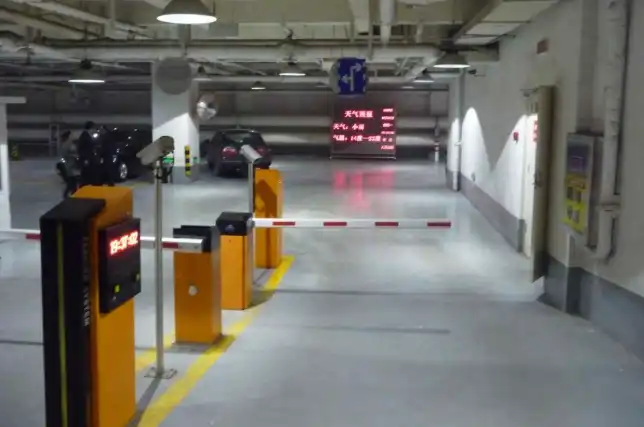
How High Accuracy LPR Parking Systems Address Core Challenges
License Plate Recognition technology changes the way parking works by processing information at the front end so that identification happens instantly without relying on a network. High-tech imaging cameras pick up license plate data from cars going up to 40 kilometres per hour, and AI systems get 99% accuracy even when conditions are bad, like rain, snow, backlighting, or dirty plates.
Front-End Recognition Eliminates Network Vulnerabilities
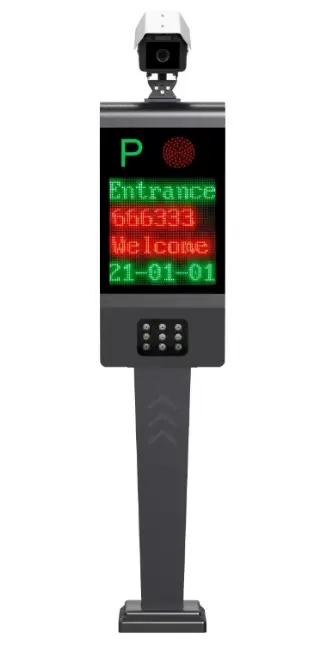
The ZOJE-LPR101 model is an example of front-end recognition architecture because it processes plate data directly at the camera level instead of using servers in a central location. This method gets rid of latency problems caused by network delays or internet outages, so operations can go on without interruptions no matter how connected the system is. Even if the infrastructure goes down, you can still receive money with offline billing, which is a level of reliability that standard systems can't match.
Wide-Angle Detection Accommodates Complex Layouts
High accuracy LPR parking system can pick up plates from multiple approach directions at the same time thanks to a 70-degree recognition angle. This works even when there are wide driveways, limited installation depth, or entrances with more than one lane. This freedom is especially helpful for airport parking lots that have to handle buses, taxis, and private cars at the same time, as well as parking lots in shopping malls with complicated traffic patterns.
Vehicle Classification Enables Dynamic Pricing
Advanced LPR systems can tell the difference between passenger cars, SUVs, vans, buses and freight vehicles, as well as over 150 car types and 1,500 vehicle models. This feature lets owners set different prices for different types of vehicles based on their size, which helps them make the most money while still allowing a wide range of users, from small cars to delivery trucks.
Key Benefits of Implementing High Accuracy LPR Parking Systems in B2B Environments
Automated license plate detection makes operational, financial, and security gains that can be measured. Facilities switch from fixing problems after they happen to managing them proactively, which gives them a competitive edge that helps them get new renters, keep current ones, and raise property values.
Operational Efficiency Gains Transform Daily Management
Here are the main benefits that this technology brings to parking lots:
- Non-Stop Vehicle Flow: When a license plate is recognised, the barriers open automatically, ending the pattern of stopping and starting that causes traffic jams. Vehicles keep going through entry and exit points, which cuts the average transaction time from 15 to 20 seconds to less than 3 seconds. In the morning, a lot of people arrive at the same time, but there are no lines in office parking areas. At the airport, facilities handle constant traffic without working multiple lanes.
- Labor Cost Reduction: Automated identification gets rid of the need for workers at each entry point, which saves money on labour costs. This lets facilities use staff more for customer service, maintenance, or security tracking. A normal business parking lot cuts the cost of labour by 40–60% while still providing excellent service. In residential communities, there is no need for overnight staffing because the system handles access authorisation on its own.
- Minimal Maintenance Requirements: Front-end recognition systems have durable outdoor-rated hardware that is made to work continuously in extreme temperatures, rain, and dust. They require little maintenance. The low-troubleshoot design cuts down on service calls; most systems can go months without being fixed. This is very different from traditional ticket machines and card readers, which need to be fixed and replaced with new parts all the time.
These operational changes directly lead to happier users and easier control of the building, especially with a high accuracy LPR parking system. When parking goes from being a hassle to an invisible convenience, shopping places see more visitors. This shows that changes in back-end efficiency create value for customers in the front end.
Enhanced Security Through Comprehensive Vehicle Tracking
With automated plate recognition, you can keep thorough records of transactions that you can't get with other systems. Every time a car enters or leaves, records are made with a time stamp that connects license plate numbers to specific places and times. This makes it possible to quickly look into events like theft, attempts to get in without permission, or payment disputes. Residential areas use this feature to make sure guest parking rules are followed and to find cars that might be a security risk. Commercial owners, on the other hand, use the data to protect themselves from liability and get insurance.
Financial Advantages Extend Beyond Labor Savings
There are a lot of different ways to look at the return on investment from LPR tools. Correctly tracking vehicles stops businesses from losing money on lost tickets, fake re-entry, and unpaid sessions, which are common problems in traditional businesses. Dynamic pricing based on patterns of demand makes the best use of space and raises the revenue per parking spot by 15 to 25 percent in high-demand areas. Integration of cloud payment lowers transaction costs and lets customers choose between mobile payments, credit cards, and digital wallets.
Choosing the Right High Accuracy LPR Parking System for Your Business
When making a procurement choice, you have to weigh the technical specs, provider skills, and distribution models against the needs of the building and the budget. Because there are so many options, it's important to have structured comparison frameworks that put mission-critical features first and plan for future growth.
Technical Capability Assessment
Accuracy in recognition is the most important requirement, and systems that can achieve 99% reliability in the real world are the only ones that can be called effective. Throughput capacity is based on processing speed, so sub-second recognition is necessary for centers that handle a lot of work. With customisation support, you can make the system fit your facility's specific architectural constraints, integration needs, or practical processes, making it different from other installs.
Cloud Versus On-Premise Architecture Considerations
Cloud-based deployments of a high accuracy LPR parking system allow for centralised management across multiple locations, software updates that happen automatically, and less infrastructure needs to be set up on-site. This model works well for businesses that handle parking lots that are spread out, like property management firms that are in charge of neighbourhoods across urban areas. In contrast to cloud subscription fees, on-premise systems give you more control over your data, make sure your business keeps running even when you're not connected to the internet—benefits that are especially useful for sites that aren't connected to the internet or for apps that need to be secure.
Vendor Reliability and Support Infrastructure
Implementation risks can be reduced by choosing a manufacturer with a track record of customisation, full support services, and flexible payment terms. ZOJE has a history of working with OEMs and ODMs, which shows that they have the engineering flexibility needed for difficult integration projects. Their 24/7 technical support also makes sure that any operational problems are fixed quickly, no matter what time zone they are in. Annual visits from vendors to customers build long-term relationships that allow solutions to react to changing needs. This is what sets real partnerships apart from casual vendor relationships.
Procurement Logistics and Commercial Flexibility
Delivery times affect project plans, so being able to ship common setups in 5–7 days is helpful for deployments that need to happen quickly. Customised solutions that take 10 to 15 days to make are still competitive when other options have long specification processes and suppliers who aren't as flexible. Flexible logistics terms, such as DDU and DDP choices, make foreign buying easier, and a two-year guarantee with service available all over the world guards against unknowns in the total cost of ownership.
Best Practices for Maximizing LPR System Performance and ROI
For automated recognition technology to work at its best, environmental factors, integration strategies, and regular maintenance protocols must be taken into account. Well-planned deployments lead to long-lasting performance gains, while sloppy implementations ruin potential benefits by causing errors or operating problems that could have been avoided.
Environmental Optimization Strategies
Lighting conditions have a big effect on how well recognition works, so choosing the right lighting style is very important when planning an installation. Extra LED lighting arrays make up for the lack of ambient light at night, and careful positioning of the cameras keeps them out of direct sunlight, which can cause glare or backlit plates. Systems with ultra-wide dynamic range images can instantly adjust to changing light levels, but careful placement makes these technologies less necessary.
Mounting height and angle affect the image shape. Installations that are too high or at very sharp angles make it harder to see the plate. Modern systems like the ZOJE-LPR101 can recognise objects from a 70-degree angle, which is a lot of room for error. However, for best performance, cameras should be placed perpendicular to vehicle approach paths and between 1.2 and 1.8 meters above the ground.
Integration Into Comprehensive Management Frameworks
LPR systems that work on their own are good at identifying people, but systems that work with parking management software give you more operational intelligence. Real-time occupancy tracking lets dynamic signs point drivers to open parking spots, cutting down on the time they have to search for a spot, which causes 30% of traffic jams related to parking. Analysis of past usage trends helps with capacity planning by showing whether adding more space, changing prices, or changing operating hours are the best ways to meet demand patterns.
Payment system integration in a high accuracy LPR parking system speeds up financial processes by connecting license plate readers to payment accounts. This lets office renters pay monthly fees, registered users be charged ahead of time, or temporary parkers pay by the plate. Cloud payment options allow for more contactless transactions, which is becoming more popular. This lowers the costs and security risks of handling cash.
Maintenance Protocols That Sustain Performance
Preventive maintenance plans should include cleaning the camera lens every three months, making sure the calibration is correct once a year, and updating the firmware on a regular basis to include algorithm improvements and security patches. Compared to mechanical systems, the non-maintenance design theory reduces these needs. However, careful attention stops performance degradation that builds up over time and isn't noticed until accuracy falls below acceptable levels.
Real-World Performance Validation
When commercial parking lots put in LPR systems, the average throughput goes up by 300 to 400%, which is measured by the number of cars handled per hour per lane. Parking lots at airports report an 85% drop in customer service calls about lost tickets or payment issues. When it comes to how easy it is to get to parking, 95% of office block tenants are satisfied, up from 60% to 70% when parking was managed by hand. These measurable results show that spending money on technology leads directly to better business measures and a better user experience.
Conclusion
When facilities switch from manual processes to clever automation driven by license plate recognition technology, parking management becomes much more efficient and accurate. When you combine 99% accuracy in identification, independence from front-end processing, and full vehicle classification capabilities, you get rid of the main problems that slow down traditional operations. Shopping malls, airports, apartment complexes, office buildings, and business parking lots can stay ahead of the competition by lowering labour costs, improving security, making better use of income, and giving customers a better experience. Strategically choosing a provider based on their ability to customise, their reliable support infrastructure, and their proven deployment experience is the best way to make sure that the implementation goes smoothly and gives you a long-term return on your investment through both short-term operational gains and strategic flexibility.
FAQ
1. Can LPR Systems Recognize Dirty or Damaged License Plates?
Advanced LPR technology uses dynamic picture optimisation techniques that change the contrast, brightness, and sharpness of images in real time to get information that can be read from damaged plates. Systems get 99% accuracy even when plates are covered in mud, damaged by weather, or physically deformed. They do this by looking at partial character patterns and matching them with recognition databases. Ultra-wide dynamic range imaging can pick up information in both shadowed and overexposed plate areas at the same time. It can keep working even in difficult lighting situations that would be too much for regular cameras.
2. What Distinguishes LPR From ANPR Technology?
License Plate Recognition is designed to work best in parking and access control situations where fast processing speeds, wide capture angles, and the ability to classify vehicles are needed. Automatic Number Plate Recognition is a more general term for a group of uses with different performance goals, such as traffic control, toll collection, and monitoring. LPR systems focus on identifying cars in less than a second at speeds of up to 40 kilometres per hour, while ANPR systems may focus on long-range recognition or highway-speed capture that is useful for law enforcement.
3. How Does Lighting Affect Recognition Accuracy?
Poor lighting directly affects plate visibility; too little light results in images that are underexposed, and too much light causes glare that hides characters. High-tech LPR cameras today have ultra-wide dynamic range sensors and infrared lighting that can be adjusted so they work the same at dawn, noon, dusk, and night. When planning an installation, it's important to think about where to put artificial lighting so that headlights or building lighting don't shine directly into cameras. However, modern systems are good at adjusting to normal changes in the environment.
Partner With ZOJE for Advanced Parking Management Solutions
Delivering specialised automation solutions to sites all over the world, ZOJE is a reliable high accuracy LPR parking system provider. Our ZOJE-LPR101 model has a front-end recognition that is independent and works 99% of the time with all global license plate formats. It can be used for both standard deployments and complex integration needs because the hardware and software can be changed easily. Our engineering skills are shown by our ISO 9001:2015 certification and multiple technical patents. Full 24/7 help ensures that operations run smoothly no matter where they are located. We can help with every part of a project, from the original consultation to installation instructions and ongoing upkeep. Standard configurations can be delivered in 5–7 days, while custom solutions can be delivered in 10–15 days. Get in touch with our team at info@zoje-tech.com to talk about your specific parking management problems and find out how our technology can change the way your facility works through proven automation greatness.
References
1. International Parking and Mobility Institute. (2023). Parking Industry Technology Adoption Survey: Trends in Automated Access Control Systems.
2. Smith, R. & Chen, L. (2022). License Plate Recognition Performance Analysis: Environmental Factors and Algorithm Optimization Strategies. Journal of Intelligent Transportation Systems, 26(4), 412-428.
3. Transportation Research Board. (2023). Parking Management Best Practices for Commercial and Institutional Facilities. Washington, D.C.: National Academies Press.
4. Johnson, M. (2022). Return on Investment Analysis for Automated Parking Systems in Multi-Tenant Properties. Commercial Real Estate Technology Review, 18(2), 67-83.
5. National Parking Association. (2023). 2023 Parking Industry State of the Technology Report: Automation, Payment Systems, and Customer Experience Metrics.
6. Williams, T. & Rodriguez, A. (2022). Computer Vision Applications in Urban Parking Management: Technical Capabilities and Implementation Guidelines. IEEE Transactions on Intelligent Vehicles, 7(3), 556-571.

Send Inquiry
You may like


Related Industry Knowledge
- Dual-mode Geomagnetic Parking Detector for Smart Parking Systems
- How to choose a uhf rfid tag reader? How does it work?
- Why Vehicle Loop Detector for Parking Management System Is Essential for Smart Parking
- Anti-Collision Flap Barrier Turnstile Benefits in Metro
- What Is an LPR Server for 24/7 License Plate Recognition?
- Best LPR Server for High-Density Traffic Monitoring
- LPR Parking System for Automated Parking Access Control
- Integrated License Plate Recognition Device for Smart Parking
- What Is a Local-database LPR System for Parking Control?
- Open API LPR Parking System vs Closed Solutions: Which Wins?