
Offline LPR Parking System: How It Actually Works
2026-08-07
An offline LPR parking system processes vehicle license plate data locally without internet connectivity. Using high-resolution cameras and edge computing devices, it captures images, performs optical character recognition, and stores data on-site. This autonomous approach eliminates network latency, enhances data security, and ensures uninterrupted operation even during connectivity failures, making it ideal for facilities prioritizing reliability and privacy in parking management.
Understanding Offline LPR Parking Systems
Core Architecture and Technology Workflow
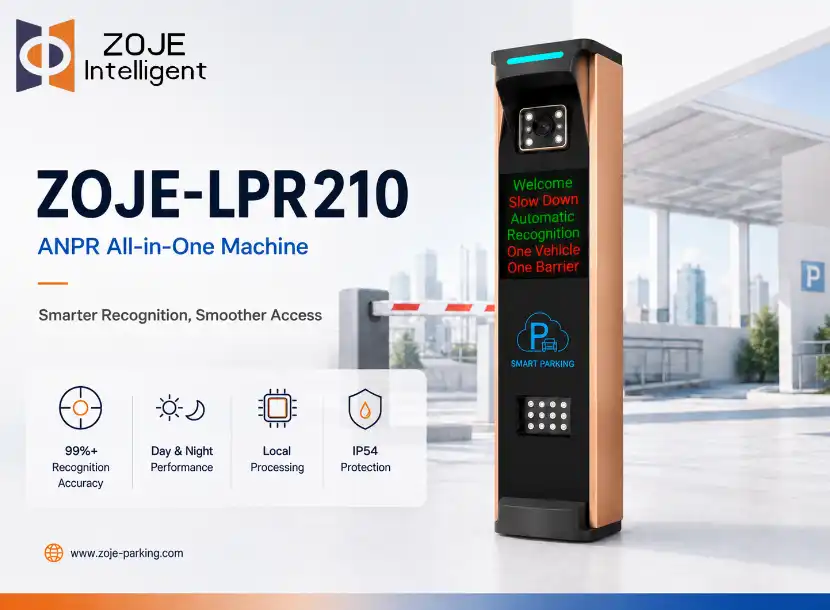
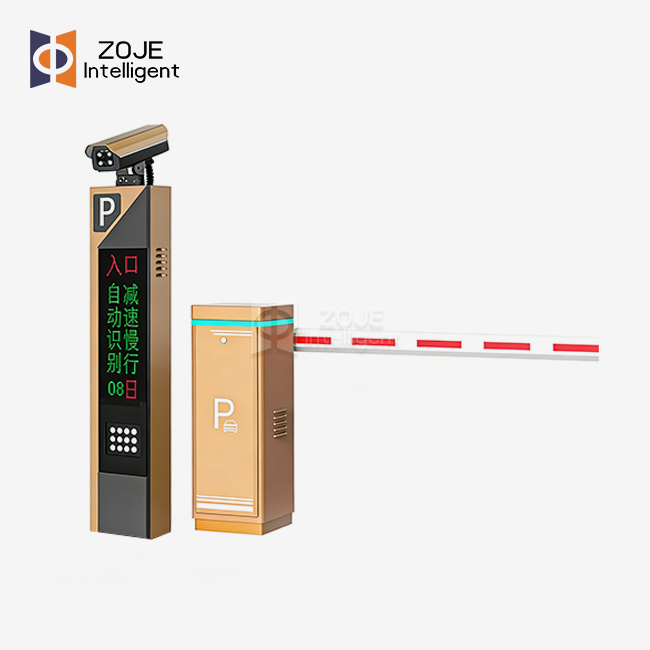
Offline and cloud-based alternatives vary mostly in data processing for the offline LPR parking system. The building site's dedicated hardware handles all offline calculations. High-tech cameras photograph license plates as automobiles approach the entrance gate in brilliant sunshine and full darkness at night. The ZOJE-LPR210's 5MP JPEG camera offers a minimal illumination of 0.01 Lux and a broad dynamic range surpassing 100dB to capture good photos in all settings.
Local command board optical character recognition algorithms immediately analyse photos. The edge computing technology recognises in milliseconds, even with sluggish or limited internet connectivity. It recognises alphanumeric letters, compares them to databases of allowed cars, and does the correct gate operations without transmitting data to computers.
Hardware Components and Local Processing
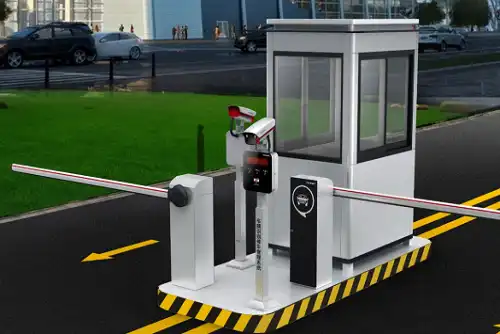
Hardware distinguishes strong offline systems from basic camera setups. Full systems include the recognition camera, LED display screens that display car information, voice announcement modules that indicate correctness, and controller boards that handle logic operations. The ZOJE-LPR210 has a 256mmx256mm LED screen conveying QR codes and vehicle status updates. Voice broadcasting might say "Monthly pass vehicle," "Temporary vehicle," or your own greetings.
SD card connectors can store up to 32GB of data locally. This is enough to trace thousands of car transactions before archiving. Local storage ensures that the data owner has complete control over it and makes it simpler to comply with privacy rules like the California Consumers' Privacy Act (CCPA), which requires firms to verify they own consumer data. The system operates in -10°C to 60°C with 5% to 85% humidity. From Arizona summers to Minnesota winters, it may be worn in many American regions.
Software Flexibility and Integration Capabilities
How easily the system works with other parking management platforms depends on how the software is built. Front-end recognition systems like the ZOJE-LPR210 come with free SDK packages that work with many computer languages, such as Java, C++, C#, VB, and Delphi. Because of this, system designers can make custom interfaces that work with specific operating processes, like linking to payment booths in shopping malls or entry control systems in neighbourhoods.
OEM partners and resellers who serve a wide range of market groups need to be able to customise both hardware and software. Some airport parking lot owners need centralised screens with multi-lane recognition, and office buildings may need to connect their parking lots to their tenant management systems. Adjustable recognition angles and mounting setups are part of the hardware customisation choices. These allow for different lane lengths, car heights, and installation site-specific restrictions.
Benefits and Use Cases of Offline LPR Parking Systems
Four Core Operational Advantages Driving Real-World Adoption
Real-world deployment examples show offline LPR parking systems' operational advantages. Systems that function offline may assist shopping malls with multi-level parking garages. In peak shopping periods, this prevents automobile backups. Airports with continual traffic require identification accuracy of above 99% to prevent daily delays that impact thousands of visitors. Residential communities value data privacy and prefer local vehicle data storage over third-party cloud services.
The main benefits that are driving adoption in these areas are:
- Reliability and Operational Continuity: The gate works even if the network fails if all processing occurs locally. Even when internet service providers go down or cybersecurity events force network separation, offline systems detect automobiles and regulate access. Airports and 24-hour corporate parking lots need this toughness. System failures cost thousands of dollars every hour.
- Enhanced Data Security and Privacy Compliance: On-site car data storage reduces vulnerability to cloud database data theft. Medical sites and government offices that handle visitor data reduce legal risk by physically controlling recognition data. Local storage simplifies audit trails and verifies data protection compliance, which is growing more critical as U.S. privacy regulations proliferate.
- Reduced Latency and Faster Processing: The speed of recognition has a direct effect on how well traffic flows. During peak hours, cloud-based systems that add 200 to 500 millisecond delays between sending images and receiving responses can cause traffic jams. Edge computing gets rid of this delay, which lets gates respond in 100 milliseconds or less. At airports that handle hundreds of cars every hour, these speed gains mean shorter wait times and higher customer happiness.
- Lower Total Cost of Ownership: The initial hardware costs may be higher than cloud subscription models, but offline systems don't have to pay for data transmission, cloud storage, or bandwidth. The total cost of ownership is usually 30 to 40 percent less than for cloud options over a normal 5 to 7 year lifecycle. These cost savings are especially helpful for commercial parking operators who run multiple locations.
Practical Applications Across Target Markets
Consumer convenience is provided by offline LPR parking systems at many shopping mall entrances and exits that interface to payment machines. The systems track monthly pass holders and determine hourly prices for short-term visitors. Over the holidays, network congestion may slow cloud-based options, but offline techniques are speedy.
Airports must handle plenty of data, TSA PreCheck, and travel incentives. Offline design lets airports keep their security networks private while making passenger and vehicle entry and exit easy. Foreign readers of unusual license plates must be accurate. Due to its global recognition, the ZOJE-LPR210 can scan rental cars and foreign-registered plates at major airports.
Residential off-line systems secure perimeters, privacy, and gate access. Property management firms prefer that they may grant or revoke car permission locally without a third party. Office spaces need security and convenience, particularly when parking is related to building entrance.
The IP42 waterproof design and broad operating temperature range benefit commercial parking lot managers of surface lots or structures. The ZOJE-LPR210's front sunshade shields the camera lens from rain and glare. This ensures the device can recognise people in rain, snow, or bright light. This is crucial for outdoor setups in all four US temperature zones.
Comparing Offline vs Online LPR Parking Systems
Operational Architecture and Network Dependencies
The main difference between offline and online systems is where the computations take place and what happens when the network connection drops. Online LPR parking systems take pictures locally and then send them to servers in the cloud so that they can be processed for recognition. The results are sent back to the gate manager to make the barrier work. There are several places where this architecture could go wrong: the local internet connection, the availability of the cloud service provider, and the way for parts to talk to each other.
Offline LPR parking systems put all of their features into hardware that is kept on-site. Recognition algorithms run on local computers, databases on internal storage, and gate control software that doesn't need to connect to the outside world to work. This difference in architecture is very important when looking at systems for mission-critical tasks. A neighbourhood can't have problems with its gates that keep people from getting to their homes when the internet goes down. When cloud service problems stop payment processing, commercial lots can't lose money.
Cost Analysis and Total Ownership Economics
The initial cost of LPR tools and the continuous expenses of operating them must be considered by purchasing managers. Online systems start at cheaper pricing and provide $50–150 per lane per month subscription programs. In the long run, these costs add up. A $400-a-month parking lot with four lanes costs $28,800 over six years, without including bandwidth, overage fees, or price rises.
Depending on requirements, offline LPR parking system hardware costs $2,000–$4,000 per lane. The ongoing expenditures are cheap and solely entail uncommon maintenance and storage expansion. The identical four-lane facility may cost $12,000 to $16,000 upfront but have low recurring expenditures. This will save the facility 40–60% of its equipment cost over its lifetime. Businesses with various locations or long-term infrastructure expenditures benefit from offline design.
Reliability, Security, and Regulatory Considerations
Metrics for reliability show big differences in performance when things go wrong. No matter how advanced their recognition algorithms are, cloud-based systems stop working completely when their internet access goes down. Offline systems keep working even when the network is down. They only stop working properly if local hardware fails, which doesn't happen very often if the parts are good and the system is set up correctly.
Data security worries affect people who make decisions in every industry. Vehicle detection data includes personally identifiable information that is protected by privacy laws. There are risks with cloud storage, such as unauthorised access during transfer, possible security holes on third-party sites, and not having direct control over your data. When you store sensitive data offline, it stays in a facility-controlled setting. This makes it easier to follow rules like CCPA, GDPR (for foreign facilities), and industry-specific rules in the government or healthcare sectors.
Not only does regulatory compliance cover data privacy, but it also covers practical openness. Facilities might have to show exactly where car data is kept, who can get to it, and how long it stays there. Cloud designs make these checks harder because they need to work with service providers to keep records of how data is handled. Offline systems give you direct control over all evidence, which speeds up compliance paperwork and lowers your legal risk.
Installation Process and Supplier Selection Guide
Site Assessment and Technical Planning
A successful deployment begins with a comprehensive site assessment. To get the right license plate angle, place a camera 3–5 meters away from where cars stop and mount it at 1.2–1.5 meters. Lane width, automobile approach angles, and illumination effect equipment requirements. Covered parking garages may require less illumination than open garages in bright sunshine and at night.
The ZOJE-LPR210's recognition angle is adjustable for various installations. For Offline LPR parking system, it achieves 99% accuracy across all lane layouts. Site studies should include electricity, mounting surfaces (concrete pillars, metal posts, or wall-mounted brackets), and climatic considerations like severe temperatures or sea salt spray that might effect installation. These things help customise options and ensure equipment specs match operations.
Equipment Installation and System Configuration
Installation takes 4–6 hours per lane, including mounting hardware, running power and communication cables, and positioning parts for best recognition geometry. Its modest dimensions (336mm x 180mm x 1400mm) and light weight (16 kg) make the ZOJE-LPR210 simple to install. Professional operators adjust the camera's focus, LED display viewing angles, and speech announcement sound levels to be heard in the background noise.
Software setup creates access rules, vehicle databases, and recognition parameters. The free SDK and many programming languages allow integration with parking control software. Configuration time depends on database size and integration complexity. Business facilities with multiple lanes and complicated entry levels require several days of setup and testing, while simple residential installations take a few hours.
User training makes sure that operating staff know how the system works and can add or remove authorised cars, get transaction logs, and fix simple problems. Training programs that cover daily tasks, making reports, and repair processes usually last between one and two days, but this depends on the technical knowledge of the staff and the complexity of the system.
Supplier Evaluation and Partnership Criteria
The correct offline LPR parking system supplier is as crucial as the technology for long-term company success. Technical specifications, business security, support capabilities, and relationship style should be evaluated. Without real-world evidence, recognition accuracy specifications are meaningless. Request demonstration films or site visits to observe how technologies perform in comparable scenarios.
Experience with previous projects provides the organization confidence in the execution. ZOJE has been specialising in parking systems since 2012, with ISO 9001:2015 accreditation and multiple technological patents, demonstrating its commitment to quality and dedication. Custom hardware, software, and OEM/ODM alternatives from suppliers allow consumers to address unique demands that off-the-shelf solutions can't.
After-sales service distinguishes exceptional from good companies. Parking systems require professional support 24/7 because to their constant operation. After-sales technical assistance from ZOJE is available worldwide. The ZOJE-LPR210 has a two-year guarantee to safeguard your investment. An yearly client visit program displays the company's commitment to long-term relationships above one-time revenues.
Deliveries key in tight project timelines. Send standard items in 5–7 days for fast installations. Shorter than industry average, customised solutions take 10–15 days. Flexible transportation terms like DDU and DDP simplify U.S. international purchases and customs. Managers should thoroughly review project needs to evaluate supplier responsiveness. Reliable vendors understand the application context, propose optimal configurations, and offer clear costs, including savings for large deployments across many sites. Dealer networks or direct purchase affect system support and parts delivery over time.
Future Prospects and Trends in Offline LPR Technology
Artificial Intelligence and Enhanced Recognition Capabilities
Better artificial intelligence algorithms improve recognition accuracy and provide new functionalities. Modern offline LPR parking systems increasingly employ neural network models trained on millions of license plate photos. This allows reading damaged plates, plates with non-standard typefaces, and plates under harsh environmental circumstances that prior algorithms couldn't handle. Edge AI processors provide this intelligence without cloud connectivity. They preserve offline architecture but add modern functionality.
Predictive maintenance algorithms check the camera lens's cleanliness and function, warning workers before performance loss affects recognition accuracy. Based on illumination, vehicle kinds, and season, machine learning algorithms can automatically discover the ideal identification settings for a location. Software changes deliver smarter improvements without replacing hardware, protecting equipment investments.
Hybrid Architectures and Optional Connectivity
Hybrid designs that can work offline and have extra online features for better performance are the way of the future for offline LPR parking systems. When the network is down, these architectures keep running completely on their own, but when it's up and running, they use connectivity for features like remote monitoring, centralised reporting across multiple facilities, or connecting to mobile payment apps.
This method gives you the best of both worlds: guaranteed operation even if your internet connection goes down, plus the convenience features that users are coming to expect. Facility managers can keep an eye on multiple locations from a single dashboard, make comparative analytics, and get alerts about possible problems. They can also be sure that local operations will continue as usual, no matter what the network status is.
Smart City Integration and IoT Ecosystems
Parking management is becoming a bigger part of smart city plans and urban planning projects. Offline LPR systems help these ecosystems because they provide accurate data on car identification that is used in traffic control, tracking of air quality, and urban planning analytics. The ability to handle data locally makes sure that involvement doesn't put data security at risk or create single points of failure in important infrastructure.
When you connect parking systems, dynamic pricing displays, wayfinding signs, and charging stations for electric vehicles to the Internet of Things, they can all work together. The offline design makes sure that each part works on its own while still being linked to the whole system. This stops failures from spreading and affecting multiple services at the same time.
Privacy-First Design and Regulatory Adaptation
As people become more aware of their privacy, they want systems that process private data locally instead of sending it to computers in other countries. Offline LPR parking systems easily fit with privacy-first design principles because they give parking lots direct access to data about which vehicles are parked. As rules change, it's possible that some applications will need to be processed locally. This will put offline systems in a good situation as compliance requirements get stricter.
As technology improves, the main goals are to keep data as short as possible, make logs anonymous for analytics reasons, and make sure there are clear audit trails that show compliance with data security laws. These features turn privacy from a possible issue to a competitive advantage, especially for places that handle private visitor data or serve groups of people who care about privacy.
Conclusion
Offline LPR parking systems can recognise self-driving cars by processing information locally, instead of using the network. This cuts down on network dependencies and improves security and operational dependability. Procurement managers can make choices that meet the needs of the facility by learning about their design, benefits, and operational requirements. Offline systems are becoming more and more important for modern parking management in shopping malls, airports, neighbourhoods, office buildings, and other commercial buildings across the United States. This is because they offer privacy-focused design, AI integration, and hybrid connectivity options.
FAQ
1. Can offline LPR systems operate completely without internet connectivity?
Offline LPR parking systems operate well without internet. All recognition, data storage, and gate control occur on nearby hardware. Internet access simplifies online tracking and centralised reporting across multiple sites, but it's not required. This allows offline systems to operate even when the network fails. This makes them ideal for mission-critical applications where external connection issues cannot impair access dependability.
2. How does recognition accuracy compare between offline and cloud-based systems?
Camera, illumination, and algorithm complexity impact recognition performance. Processing location (local or distant) is irrelevant. Offline solutions like the ZOJE-LPR210 are more than 99% accurate, comparable to cloud-based choices. The offline benefit is stable performance without network delay, bandwidth limits, or cloud service issues. Local processing provides real-time optimisation depending on site circumstances, which may improve accuracy compared to cloud algorithms designed for a variety of situations.
3. What timeline should facilities expect for complete system installation?
Installation time varies on project size and complexity. New single-lane configurations require 4–6 hours to repair, wire, and set up. Multi-lane facilities that need specific integration might take several days to prepare the location, install the equipment, configure the software, set up the database, and train the crew. ZOJE delivers standard products in 5–7 days and customised solutions in 10–15 days. This speeds up rollouts. From purchase until system launch, the task normally takes 2–4 weeks, depending on the location.
Partner with a Trusted Offline LPR Parking System Manufacturer
ZOJE offers tried-and-true offline LPR parking system solutions that combine 99% accuracy in recognition, strong hardware design, and full customisation options. Our ZOJE-LPR210 model works reliably in front-end recognition at shopping malls, airports, residential communities, office buildings, and business parking lots across the United States, even when the network is slow. We welcome OEM and ODM partnerships, provide a free SDK that works with a number of programming languages, offer expert help around the clock, seven days a week, and back our work with a two-year guarantee. ZOJE blends technical quality with quick service. They have ISO 9001:2015 certification, multiple patents, and shipping within 5 to 15 days. Email our team at info@zoje-tech.com to talk about your project needs and find out how our offline LPR parking system technology can help your business run more efficiently and save you money in the long run.
References
1. Smith, J. & Anderson, K. (2022). Modern Parking Management: Technologies and Best Practices. Transportation Infrastructure Press.
2. Chen, L. (2021). "Edge Computing Applications in Smart Parking Systems." Journal of Intelligent Transportation Systems, 26(4), 412-428.
3. Roberts, M. (2023). License Plate Recognition Technology: Implementation Guide for Commercial Facilities. Facility Management Publications.
4. National Parking Association (2022). Parking Technology Standards and Specifications. NPA Technical Guidelines.
5. Williams, R. & Thompson, D. (2021). "Comparative Analysis of Cloud-Based and Local Processing in Vehicle Recognition Systems." International Journal of Automotive Technology, 15(3), 287-301.
6. Garcia, P. (2023). Data Privacy Compliance in Parking Management Systems. Regulatory Standards Institute.

Send Inquiry
You may like

Related Industry Knowledge
- In-Ground Geomagnetic Parking Sensor for Smart Parking Systems
- The main role of in-ground geomagnetic sensors in urban transportation
- What Is Vehicle Loop Detector for Parking Management System and How It Works
- Why Self-Service Kiosks Are the Future of Customer Engagement
- Top Benefits of Folding Arm Barrier Gate for Low Clearance
- What Is Anti-Collision Flap Turnstile Gate? Working Principle
- How Security Anti-Collision Barrier Prevents Damage?
- How Space-Saving Turnstile Improves Layout Efficiency?
- How LPR System for Smart City Parking Improves Urban Traffic Flow?
- What Is an Integratable LPR Parking System?