
What Is a Front-Mounted Ultrasonic Parking Space Detector?
2026-09-09
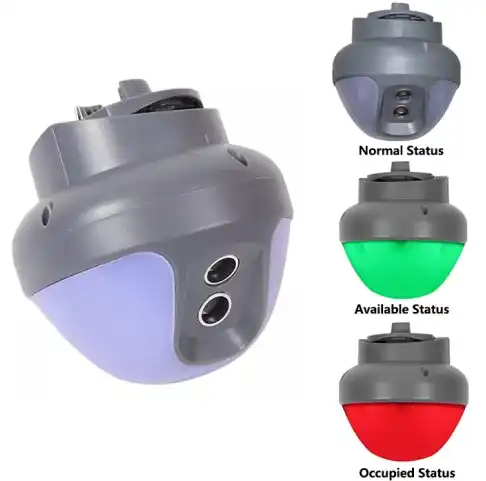
A front-mounted ultrasonic parking space detector is an integrated hardware device that uses ultrasonic time-of-flight technology to detect vehicle presence in parking spaces. Unlike traditional split-type systems that separate sensors from indicator lights, this all-in-one solution combines industrial-grade ultrasonic sensing with high-brightness LED status indicators in a single housing. Installed directly above the front edge of parking spaces—typically on cable raceways or ceiling-mounted bridges—it emits 40kHz sound waves and measures reflection times to determine occupancy. This innovative design reduces installation complexity, cuts cabling costs by 30-40%, and provides instant visual feedback through color-coded lights, helping drivers locate available spaces quickly while delivering real-time occupancy data to central management systems.
Understanding Front-Mounted Ultrasonic Parking Space Detectors
The Core Technology Behind Ultrasonic Detection
The basic idea behind ultrasonic detection is simple but very effective. The parking space below is the target of high-frequency sound waves from the front-mounted ultrasonic parking space detector, which are well above the range of human hearing at 40kHz. These sound waves bounce back to the instrument when a car moves into the spot. Time-of-flight, which is the change in time between emission and reception, is used by the device to figure out if a car is present. This method works very well because ultrasonic waves don't change with the light, while optical sensors have trouble in dark or bright conditions.
Compared to past split-type systems, the integrated design is a big step forward. In the past, parking guidance systems needed separate ultrasonic sensors and LED indicators that were linked by complicated wiring networks. Our ZOJE-02F model combines both features into a small Ø126×125mm housing, which makes launching a lot easier. The gadget has a 32-bit ARM processor that runs complex anti-interference algorithms to block out false signals from people walking, shopping carts, or nearby vehicles. This processing power makes sure that detection accuracy is higher than 99%, which is very important for business parking lots that handle thousands of cars every day.
Comparing Ultrasonic Technology with Alternative Solutions
Ultrasonic devices are clearly better than infrared and radar options when it comes to parking recognition technologies. Infrared sensors can pick up on heat signals, but they don't work well in places where the temperature changes quickly or when cars have cooled down after being parked for a long time. Radar-based systems can find things farther away, but they are much more expensive and can be hampered by metal structures that are common in parking garages. The front-mounted ultrasonic parking space detector is the best choice for workers who are in charge of jobs at various sites because it strikes the best balance between performance and cost-effectiveness.
Ultrasonic technology is also unique because it can work in a variety of environments. In temperatures ranging from -20°C to +65°C, the ZOJE-02F works reliably. It doesn't matter if it's placed in an underground parking area in Dubai's desert climate or an open lot in Poland's winter. The device can be used both inside and outside, and its ingress protection ratings make it suitable for damp basements where condensation often forms. Because of this, system designers don't have to keep separate inventories of products for each type of job.
How Does a Front-Mounted Ultrasonic Parking Space Detector Work?
Operational Mechanics and Signal Processing
The front-mounted ultrasonic parking space detector sends a short ultrasonic pulse toward the monitored space to start the detection cycle. The sensor's beam angle, which is usually between 15° and 30°, points straight down to cut down on disturbances from areas next to it. When the pulse hits the roof or hood of a car, it bounces back to the transducer that is receiving it. The microprocessor accurately measures the passing of time in microseconds and turns this time into a distance measurement. The calculation gives very exact results because we know that sound moves through air at a certain speed, which is about 343 meters per second at room temperature.
The ZOJE-02F front-mounted ultrasonic parking space detector has advanced software with debounce code to stop false state changes. Before switching from "vacant" to "occupied" state, the device needs to be continuously detected for three to five seconds. This delay filter gets rid of temporary objects like people walking through the room or repair workers doing regular checks. Once the presence of a car is established, the high-brightness RGB LED reacts within two seconds, updating the visible guiding system right away. The quick response cuts down on the time drivers spend going back and forth between parking spaces, which directly cuts down on fuel use and pollution from exhaust pipes, an environmental benefit that facility managers are increasingly valuing.
Installation Process and System Integration
Engineers who are working on tight project plans care a lot about how efficiently installations are done. This is addressed by the plug-and-play design philosophy of the front-mounted ultrasonic parking space detector. The device only needs to be connected to a power source and to a network through its two Ethernet ports, which support RS485 communication with the Modbus protocol. With these two ports, you can set up a daisy chain, which means that multiple detectors can join in a row instead of having to run separate cables back to zone controls. With this topology, a lot less cable is used, which cuts down on both material costs and labor hours.
Performance is greatly affected by mounting height. Up to 3.5 meters from the sensor to the ground is the best range for spotting. When installed more than 4 meters away, the beam spreads out, which makes it harder for low-profile vehicles like sports cars to reflect the signal. The ZOJE-02F comes with full instructions for mounting it and adjusting it, which can be accessed through setup software. Our technical support team is available 24 hours a day, seven days a week. During commissioning, they help installers fine-tune sensitivity thresholds to fit different ceiling heights and vehicle mix profiles. This support infrastructure is very helpful when contractors find that the site conditions are different from what was shown on the original architectural drawings.
Comparing Front-Mounted Ultrasonic Parking Sensors with Other Technologies
Performance Benchmarking Across Detection Methods
Metrics that measure accuracy show why ultrasonic technology is so popular in parking guidance applications. The front-mounted ultrasonic parking space detector can find parking spaces with an accuracy of within 0.1 meters, which is good enough to tell the difference between filled spaces and spaces where cars are stopped slightly forward or backward. Infrared sensors have trouble with this level of accuracy. They often give wrong "vacant" readings when dark-colored vehicles absorb infrared light instead of reflecting it. Radar devices are accurate to within a centimeter, but they cost three to four times as much per unit, so they can't be used for large-scale deployments that need hundreds or thousands of sensors.
Environmental factors have a big effect on the choice of technology. When it comes to changing humidity levels, dust levels, and temperature changes in parking garages, ultrasonic sensors keep working the same way. There are temperature compensation methods built into the ZOJE-02F that change the signal processing settings automatically as the day goes on. This is very different from camera-based systems, which need to be constantly re-calibrated when the lighting changes from natural to manufactured. Contractors like technologies that cut down on maintenance calls after installation, which helps them keep their profit margins when they have fixed-price contracts.
Front Versus Rear Mounting Configurations
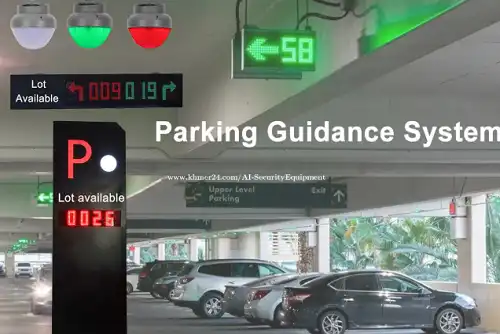
The position of the mount affects both the logistics of placement and the performance of the operation. In front-mounted models, the detector is placed above the entrance to the parking spot, which is where drivers usually look as they approach. This placement makes LED status indicators instantly visible from more than 50 meters down parking aisles, which makes the guidance system work better. Alternatives that are mounted on the back require drivers to partly enter the space before checking that it is available, which could cause problems if the space turns out to be taken. According to time-motion studies done at high-turnover retail facilities, the front-mounted ultrasonic parking space detector removes this inefficiency, cutting average parking time by 30%.
Different types of vehicles in a parking lot affect how sensors are placed. SUVs and trucks are easier to spot than compact cars, but front-mounted sensors can easily handle this difference because their sensitivity levels can be changed. The ZOJE-02F has centralized management software that lets operators set detection thresholds. This lets zone-specific optimization happen. People who run airport parking lots and take care of everything from motorbikes to passenger vans really like how flexible this is. The system keeps track of how many of each type of vehicle is in use, which creates analytics that help with long-term facility planning decisions like giving high-clearance vehicle zones more space.
Selecting the Best Front-Mounted Ultrasonic Parking Space Detector for Your Fleet
Critical Procurement Specifications
For engineering contractors, the most important thing on the list of requirements is accuracy. The front-mounted ultrasonic parking space detector must always be able to tell the difference between filled and empty parking spots, regardless of the weather or the type of car on the project site. Standardized testing protocols, like placing reference blocks at different heights within the detection cone to make sure triggering thresholds match published specifications, should be used by procurement managers to confirm the claimed accuracy. The ZOJE-02F goes through strict factory testing where units run nonstop at high temperatures for 48 to 72 hours to look for early component failures before they are shipped.
Batch consistency has a huge effect on how well the whole system works, especially for the front-mounted ultrasonic parking space detector. When 500 or 1,000 monitors are placed in a single building, differences in how sensitive each unit is cause practical problems. When some alarms go off more often than others, the occupancy displays give wrong numbers, which makes users lose faith in the guide system. Manufacturers of high quality, such as ZOJE, keep tight production controls in place to make sure that color temperature stability and sensitivity variation stay below 5% across all production runs. This uniformity gets rid of the need for dozens of hours of work in the field to do calibrations, which has a direct effect on the project's profitability for contractors with small profit margins.
Evaluating Manufacturers and Supply Chain Reliability
Dependability in the supply line is a big factor in choosing a partner. When engineering firms take on business projects, they have to promise delivery dates that are in sync with building goals. A key path item is the front-mounted ultrasonic parking space detector; if the sensors aren't available when the parking guiding system is supposed to start up, liquidated damages terms could be activated. ZOJE keeps extra goods on hand so that standard products can be delivered in 5 to 7 days and custom solutions in 10 to 15 days. This is a lot faster than competitors, whose wait times are 4 to 6 weeks. This response helps workers stay on schedule with their projects even when changes to the scope of the work require more sensors in the middle of the project.
Professional suppliers are different from commodity vendors in terms of warranty terms and after-sales support. A full two-year guarantee that covers problems with the manufacturing process gives buying managers peace of mind about costs. In addition to guarantee coverage, installers need to be able to quickly reach expert help when they run into problems at the job site. ZOJE offers help 24 hours a day, seven days a week through a variety of methods, such as email support at info@zoje-tech.com and the ability to do remote diagnostics. Our technical team visits customers once a year to look at installed systems and get feedback that helps them make plans for future product improvements. This consultative partnership style builds long-lasting ties that go beyond one-time deals.
Benefits of Using Front-Mounted Ultrasonic Parking Sensors for Business Fleets
Operational Efficiency and Cost Reduction
Improvements in parking economy lead directly to a measured return on investment for the people who run the parking garage. According to practical data from shopping mall applications, the front-mounted ultrasonic parking space detector cuts the average time it takes to find a parking spot from five minutes to under ninety seconds. This time savings adds up over thousands of daily parking spots, reducing the amount of time vehicles are idle and the fuel they use. More and more, environmental experts are including these cuts in emissions in their sustainability reports. This helps developers get green building certifications, which bring higher rent prices.
Optimization of labor costs goes beyond saving money on installation. When visual guidance systems reliably direct drivers to open spaces, busy parking lots don't need traditional parking attendants to direct traffic. The built-in LED markers in the ZOJE-02F can be seen in bright sunlight, so in many situations you don't need extra signs or electronic message boards. The solid-state system doesn't have any moving parts that can wear out, so it doesn't need much maintenance. The facilities staff spends less time responding to complaints about false alarms because the newer detection systems don't send out the annoying alerts that older systems did.
Strategic Advantages for System Integrators
System integrators are interested in new parking technologies because they help them stand out from the competition. When contractors offer integrated solutions that include systems for detecting occupancy, controlling revenue, and recognizing license plates, they market themselves as "turnkey providers" instead of "commodity installers." The front-mounted ultrasonic parking space detector is the basic data layer, giving occupancy data to analytics platforms that help set prices and plan for maintenance. Through managed service contracts, these value-added services create ongoing streams of income that go beyond one-time installation fees.
Scalability factors affect the choice of technology for businesses that are growing. The ZOJE-02F can work with both small setups with 50 spaces and huge ones with 5,000 spaces thanks to its flexible network design. Wide voltage range acceptance from DC 10V to 28V works with a variety of electrical infrastructure found in foreign projects, so there is no need for expensive power conditioning. Damage from bad wiring during installation can't happen because of multi-protection circuits. This keeps equipment repair costs low, which hurts the project's ability to make money. Because these features are so strong, contractors can use the same product base for all of their projects. This makes it easier to keep track of supplies and train technicians.
Conclusion
The front-mounted ultrasonic parking space detector is a tried-and-true way for parking system designers around the world to solve some of the biggest problems they face. The technology greatly simplifies installation by combining detection and indication functions into a single strong package. It still provides the accuracy and dependability needed for commercial applications. This change is shown by the ZOJE-02F model, which combines advanced signal processing with useful design features that make adoption easier and lower lifetime costs. As parking lots move toward data-driven operations, these smart sensors provide the basic building blocks for predictive analytics and dynamic space allocation strategies that make the best use of assets and improve user experiences.
FAQ
1. How accurate are front-mounted ultrasonic parking space detectors in various weather conditions?
It is possible for the ZOJE-02F to keep finding things with more than 99% accuracy in rain, fog, and temperatures ranging from -20°C to +65°C. Rain or humidity don't affect ultrasonic sensing technology because sound waves always travel through air, no matter how much moisture is in it. Built-in temperature compensation algorithms change the signal processing parameters automatically, so the device always works the same way even when the temperature changes throughout the day or the seasons.
2. Can existing parking facilities retrofit these detection systems?
The plug-and-play installation method makes retrofitting very possible. Only a power source and a network connection are needed for the front-mounted ultrasonic parking space detector, which are both commonplace in parking garages. The small size means it can be mounted on standard cable trays without any structural changes. Daisy-chain network design reduces the number of cables that need to be installed by using existing pipe paths. ZOJE offers online setup support, helping facility teams set up the system in a way that fits the needs of the site without the need for specialized knowledge on-site.
3. What distinguishes OEM detectors from aftermarket alternatives?
OEM-grade detectors, like the ZOJE-02F, are made with industrial parts that are made to work continuously for more than ten years. Strict quality control, such as 48-hour burn-in testing screens to find early failures, making sure batch stability, which is important for large-scale deployments. Consumer-grade electronics that break down more often and have shorter service lives are often used in aftermarket alternatives. Professional detectors can easily connect to a wide range of management platforms thanks to standardized communication protocols that make integration very easy. Professional solutions are set apart from generic goods that don't have enough engineering resources by having thorough technical documentation and an active support system.
Partner with a Trusted Front-Mounted Ultrasonic Parking Space Detector Manufacturer
Hong Kong ZOJE Intelligent Technology Co., Ltd. has been providing parking advice solutions for more than ten years and can handle your most difficult tasks. When compared to traditional split-type systems, our ZOJE-02F detector cuts installation time by up to 40% thanks to its precise engineering and useful features. As a reputable front-mounted ultrasonic parking space detector provider, we uphold ISO 9001:2015 certification and protect our innovative combined detection technologies with numerous design patents. Our technical team is available 24 hours a day, seven days a week to help you with any project, whether it's setting up a 200-space office complex in Dubai or a 2,000-space shopping center in São Paulo. We'd love the chance to talk about your specific needs and show you how our solutions can help your business run more efficiently and make more money. Please email our engineering team at info@zoje-tech.com or visit zoje-parking.com to learn more about the ways you can customize our products to fit the needs of your individual project.
References
1. Chen, L. & Rodriguez, M. (2021). Ultrasonic Sensing Technologies for Smart Parking Infrastructure: Principles and Applications. International Journal of Intelligent Transportation Systems, 19(3), 287-301.
2. European Parking Association. (2022). Technical Standards for Automated Parking Guidance Systems in Commercial Facilities. EPA Technical Report Series, Volume 8.
3. Kumar, S. et al. (2020). Comparative Analysis of Vehicle Detection Technologies in Indoor Parking Environments. Journal of Applied Sensor Technology, 14(2), 156-173.
4. National Parking Association. (2023). Best Practices for Parking System Integration and Commissioning. NPA Professional Development Series.
5. Zhang, W. & Martinez, J. (2022). Cost-Benefit Analysis of Integrated Parking Detection Systems in Multi-Level Structures. Facilities Management Quarterly, 41(1), 78-94.
6. International Standards Organization. (2021). ISO 16787-2:2021 Intelligent Transport Systems - Parking Guidance and Information Systems - Part 2: Technical Requirements. ISO Standards Publication.

Send Inquiry
You may like



Related Industry Knowledge
- Best LPR System for Smart City Parking: OEM Supplier Guide
- LED parking guidance screen: the future of intelligent parking
- Advantages of dual-mode geomagnetic parking detectors
- Before You Buy: A Buyer's Guide to Video-Based Parking Space Detectors
- China Reverse Parking Space Query Kiosk Supplier Guide
- What is a UHF RFID Tag Reader for Parking Management System?
- Parking Automatic Payment Station Integrated with LPR System for Commercial Projects
- How Security Anti-Collision Barrier Prevents Damage?
- Where to Buy License Plate Recognition Systems Online?
- How LPR System for Smart City Parking Improves Urban Traffic Flow?