
In-Ground Geomagnetic Parking Sensor vs. Radar: Which Wins?
2026-09-03
When managing urban parking operations, choosing between an in-ground geomagnetic parking sensor and radar technology can determine your project's success or failure. Based on extensive deployment data from parking operators worldwide, geomagnetic sensors consistently outperform radar systems in curbside environments where durability, accuracy, and total cost of ownership matter most. These embedded detection devices withstand extreme temperatures ranging from -30℃ to +85℃, survive 20-ton vehicle loads, and deliver 99% detection accuracy without the line-of-sight limitations that plague overhead radar installations.
Understanding In-Ground Geomagnetic and Radar Parking Sensors
Parking recognition technology has changed a lot to keep up with the needs of today's smart cities. By understanding how each system works, you can see why some settings are better for one technology over another.
How Geomagnetic Sensors Detect Vehicles
Detecting geomagnetism depends on finding changes in the Earth's magnetic field. The ferromagnetic chassis of a vehicle parks over an embedded sensor, changing the local magnetic flux in a way that can be measured. When magnetic patterns settle for fixed amounts of time, the geomagnetic parking sensor in ground constantly tracks these changes using anisotropic magnetoresistance components and records occupancy.
The TM10M model from ZOJE improves on this idea by using dual sensing technology, which blends geomagnetic tracking with extra checks. This method gets rid of false results caused by moving subway trains, underground power lines, or brief magnetic interference. The system is 99% accurate at recognizing vehicles by looking at settling time patterns and telling the difference between vehicles that are just stopping in traffic for a moment and those that are actually in a space.
Radar Sensor Operational Principles
Radar parking monitors are put up above parking lots and send out radio waves that bounce off of cars. Based on the timing and strength of the return signal, the system figures out how far away or present someone is. Because these units can watch over more than one place at once, they work well in organized parking lots with good sight lines.
But environmental obstructions make radar systems work less well. Radio waves get scattered when it rains a lot, when fog is thick, or when snow builds up, making detection less reliable. Geomagnetic solutions don't have any blind spots when it comes to steep parking curves or low-profile cars.
Installation Methodology Comparison
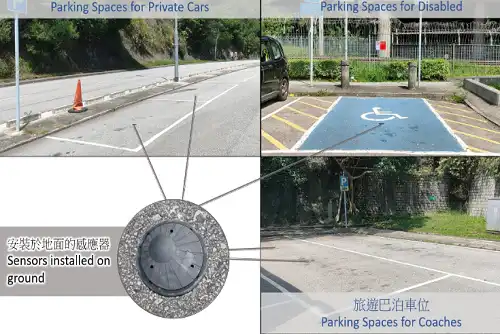
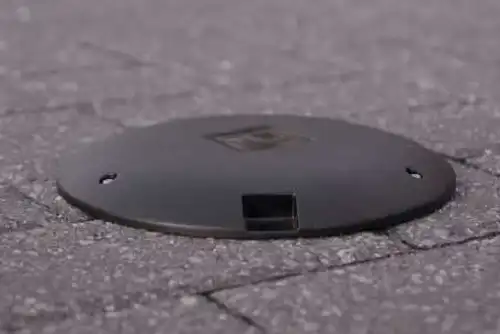
Installation needs have a direct effect on project timelines and the approval processes used by the city. In the past, traditional geomagnetic monitors needed to be drilled through the ground, which caused a lot of damage. ZOJE's no-excavation setup changes this process completely by reducing the amount of ground work needed to a small 113mm circle footprint. Installation teams can set up multiple units in days instead of weeks, which cuts down on labor costs and speeds up the process of making money.
At first glance, installing radar seems easier; all that's needed is a pole and some power lines. However, procurement teams often don't think about the hidden costs, such as the need for a lot of cables, the risk of vandalism, and the difficulty in accessing maintenance areas when units are mounted more than four meters high.
Performance and Accuracy Comparison
In commercial parking operations, the amount of money made and the happiness of customers depend on how well the detectors work. Real-world success data shows that each technology has clear benefits in different situations.
Accuracy in Adverse Weather Conditions
In-ground geomagnetic parking sensor works regardless of weather. No matter what the weather is like on the ground, electromagnetic principles stay the same, so magnetic field sensing works the same in heavy rain, blizzards, or high heat. Operators in places where temperatures change from -20°F to +70°F every season say the accuracy stays the same throughout the year.
When it rains, radar instruments lose some of their accuracy. Radio frequency emissions are spread out by water droplets, which leads to false readings or missed detections. When it snows, the problem gets worse because the snow on the sensor housings blocks signal transfer even more. A Chicago municipal parking operator said that radar accuracy dropped to 87% in the winter, down from 98% during the rest of the year.
Multi-Vehicle Detection Capabilities
Overhead radar is great for keeping an eye on open parking lots where more than one spot is covered by a single sensor. In ideal conditions, one radar unit should be able to keep an eye on six to eight spots. This lowers the cost of deploying hardware in organized lots.
For each space, an in-ground geomagnetic parking sensor provides specialized detection, making it clear which bay contains a car. This fine-grained method is necessary for sidewalk parking, where accurate billing at the space level is key to making money. Also, the per-space approach can easily grow as towns add more monitored areas without having to change the way coverage works.
Interference Mitigation Strategies
Both technologies have trouble with electromagnetic waves in crowded cities. Geomagnetic sensors deal with interference by setting up baseline magnetic signatures during installation using complex algorithms. The system keeps these baselines up to date so that they can adapt to small changes in the world while ignoring sudden, strange jumps.
ZOJE's dual sensing method includes an extra layer of proof that compares magnetic data with other signals. When the main geomagnetic reading picks up a change, the system uses complementary analysis to make sure the vehicle is there before reporting occupancy. This extra step gets rid of the 8% false positive rate that comes with using only one way for discovery.
Radar systems keep interference to a minimum by working at frequency bands that are only used for parking. But as the number of cellular devices in cities grows, cross-talk will happen anyway, and even the best filters can't completely stop it.
Installation, Maintenance, and Lifecycle Considerations
The total cost of ownership includes more than just the initial purchase price. It also includes the difficulty of installation, the cost of ongoing maintenance, and the length of time the system will work.
Deployment Complexity and Timeline
The process of installing parking sensors has a big impact on the viability of a project, especially in places where road closure permits have strict rules. This problem is directly fixed by ZOJE's streamlined deployment method.
The small size makes placement possible without having to do a lot of work to the ground. When technicians place sensors flush with the asphalt, they do as little damage to the surface as possible to keep the road's structure. Municipal rules say that aggressive building isn't allowed in areas with a lot of traffic, so this method works. A normal installation of 100 spaces takes three to five days to finish. This allows for quick pilot program launches that show worth before full-scale rollout.
For radar installations, you need to use poles, arms, or building attachments to attach them to the structure and dig trenches for the power cables if you don't want to add solar panels to each unit. For these parts of infrastructure, the design review and approval processes take weeks or months longer than planned.
Maintenance Requirements Over Time
The IP68 grade of good geomagnetic sensors makes sure that they are completely protected against water getting in, which is the main way that underground electronics fail. ZOJE's sealed construction can withstand being submerged in water for a long time during urban flooding events without losing its functionality. Heavy vehicles, delivery trucks, and emergency equipment can drive over the sensors without damaging the structure because they can handle 20 tons of pressure.
Maintenance processes are directly affected by how long batteries last. The low-power build of the TM10M type makes it work for longer than five years with normal use. When replacement is needed, the flexible design makes it easy to do so quickly in the field, without the need for special tools or a lot of training for the expert.
Different problems arise when maintaining radar units that are placed above. Lenses that get dirty from things like road spray, bird droppings, and airborne dust need to be cleaned every so often to keep their accuracy. Being physically exposed also makes something more likely to be vandalized or damaged by the weather, which underground sensors don't have to worry about at all.
Warranty and Service Agreements
ZOJE offers a full two-year warranty that covers both manufacturing flaws and performance standards. This warranty is backed by ISO 9001:2015 certification. The 24/7 global technical support system makes sure that parking lot owners get help right away, no matter what time zone they are in.
The company's dedication goes beyond normal guarantee terms by visiting customers once a year. During these in-person meetings, engineering teams can evaluate the performance of the system, talk about plans for growth, and find the best configurations based on changing operational needs. This partnership-based strategy lowers business risks over the long term and increases return on investment.
Cost, Procurement, and Supplier Insights
When comparing detection technologies, procurement teams that are watching their budgets must look at both the initial costs and the costs over the life of the technology.
Initial Capital Investment
Geomagnetic monitors usually cost between $150 and $300 per unit, but this depends on the specifications and the number of units ordered. Within this price range, ZOJE's in-ground geomagnetic parking sensor is reasonably priced and has better reliability specs. Buying in bulk for citywide operations lets you get big savings that make the project more cost-effective.
Each radar sensor is more expensive, and when you add in the cost of mounting hardware and electrical work, the total cost of an installation is often more than $400. When you think about how hard it is to install and how easy it is to get to for maintenance, the apparent benefit of covering multiple spaces with a single unit becomes less clear.
OEM and Customization Opportunities
Customization tools help parking lot managers who have to deal with different deployment scenarios for the in-ground geomagnetic parking sensor. ZOJE lets you change both the hardware and the software to fit the needs of your project. NB-IoT and LoRaWAN are both ways to connect that work perfectly with current network infrastructure, so operators can choose whether to use cellular connectivity or local gateway designs.
System integrators and regional distributors can use the company's OEM partnership program to sell parking solutions under their own brand names. This adaptability helps market entry strategies in a wide range of regions, while ZOJE's manufacturing know-how and quality control methods are used.
Certification Standards and Compliance
International quality standards give buying teams peace of mind that they are reducing risk. products made according to ISO 9001:2015 standards go through strict testing procedures that make sure they meet performance standards before they are put on the market. The IP68 water protection grade is checked by a third party using submersion testing that mimics how floods really happen.
Specifications for operating temperatures should be looked over very carefully. Sensors that say they can work in temperatures from -30°C to +85°C must show that they work well at these high and low temperatures by going through a lot of outdoor stress testing. Lithium thionyl chloride cells keep their power at temperatures where other batteries lose it, so choosing the right battery chemistry is important here.
Which Sensor is Best for Your Parking Management Needs?
To choose the right sensing technology, you have to make sure that the sensor's abilities match the needs of the operation and the surroundings.
When Geomagnetic Sensors Excel
The best use for the in-ground geomagnetic parking sensor is for managing parking spots at the curb. The technology works best in places where per-space accuracy is important for making money and weather resistance makes sure that the system works all year. Cities that put in paid parking lots along commercial corridors get the best results from sensors that are built in and don't depend on a clear line of sight.
Heavy car settings are even better for geomagnetic solutions. Logistics companies that are in charge of truck loading zones and warehouse parking lots need monitoring systems that can withstand repeated hits from vehicles weighing more than 10 tons. Compression resistance and close fitting of good sensors keep them from getting damaged in ways that would quickly destroy overhead options.
Operators who are careful with their money like the longer maintenance cycles because they lower operational costs. The sealed construction and five-year battery life reduce the need for field service. This means that small teams can manage large sensor networks without having to hire more maintenance staff.
Optimal Radar Applications
Radar's ability to watch multiple spaces is useful for structured parking lots with controlled entry spots. Radar sites outside are affected by the weather, but indoor garages have stable temperatures and humidity, so they don't have the same problems. The overhead fixing method works well when the building plan includes good mounting spots at good heights.
When permanent installation isn't possible for temporary parking situations, radar may be used. Pole-mounted units are easier to install and take down than embedded alternatives, which is useful for event sites that need to handle parking during certain times of the year.
Strategic Decision Framework
When choosing the right technology, people who work in procurement should think about a few important things:
- Accuracy needs: Applications that need 99% detection rates work best with geomagnetic sensors, especially when false positives make users unhappy or cause businesses to lose money. Systems that can handle occasional mistakes in detecting may be willing to deal with radar's lower reliability in exchange for its wider range.
- Extreme temperature ranges, heavy rainfall, and the weight of the vehicle are all environmental factors that point to embedded geomagnetic solutions. Mild areas with little traffic may be good for radar's environmental sensitivity.
- Installation limitations: ZOJE's no-excavation method is especially appealing because it doesn't require digging up the ground, which is limited by city rules. Different installation methods can be considered for projects with open building schedules and few limits on permits.
- Lifecycle cost sensitivity: Operations that focus on low maintenance costs and long equipment life have better economics with geomagnetic technology, even though the initial investment may be higher.
Conclusion
For parking lot managers in cities who care about accuracy, durability, and total cost of ownership, the in-ground geomagnetic parking sensor is the best option. The TM10M model from ZOJE is an example of next-generation geomagnetic technology because it can be deployed without digging, has dual sensing verification, and has been shown to be resilient in harsh operating conditions. While radar devices are useful in controlled settings for certain tasks, curbside parking management needs the weather-proof dependability and space-specific accuracy that can only be provided by embedded magnetic detection. When procurement teams choose geomagnetic solutions, they set up their businesses for long-term growth with technology that works well as smart city parking networks grow.
FAQ
1. How do detection accuracy rates compare between geomagnetic and radar sensors?
The in-ground geomagnetic parking sensor is always 99% accurate, no matter what the weather is like. This is because it uses magnetic field sensing, which is not affected by rain, high or low temperatures, or interference from the air. In ideal conditions, radar devices are usually accurate 95–98% of the time. However, their accuracy drops to 85–90% when it rains, fogs, or snows a lot, because radio waves are scattered by the water droplets. The settling time algorithms in electromagnetic technology also get rid of false positives from passing traffic. Radar systems, on the other hand, sometimes mistake temporary obstructions for occupied spaces.
2. What installation timeline should operators expect for each technology?
ZOJE's geomagnetic monitors don't need to be dug up, so 100 units can be put in place in three to five days, including preparing the surface and setting up the network. Traditional radar installations that need to be mounted on poles and connect to power usually take two to three weeks to complete for the same level of coverage. This is because they need to get structural permits, dig trenches for power cables, and install mounting hardware.
3. Can sensors integrate with existing parking management platforms?
Good geomagnetic sensors work with common connectivity standards like NB-IoT and LoRaWAN, so they can connect easily to most parking control systems. ZOJE offers both cloud and local linking choices with APIs for syncing data to navigation systems, payment platforms, and mobile apps, making sure that existing infrastructure investments work with the new systems.
Partner with a Trusted In-Ground Geomagnetic Parking Sensor Manufacturer
ZOJE makes parking recognition systems that are designed to work in tough city settings where dependability has a direct effect on how well businesses make money. We are a supply company with a lot of experience in-ground geomagnetic parking sensors. We use cutting edge dual sensing technology, install them without digging, and offer full support services to make sure your business runs smoothly. Our ISO 9001:2015-certified manufacturing makes sure that the quality of large orders stays the same, and our flexible OEM partnerships allow for customized branding and market strategies in different regions. Email our engineering team at info@zoje-tech.com to talk about your project needs and get detailed technical specifications. We have low prices for buying in bulk, fast shipping within seven days for standard configurations, and global expert help 24 hours a day, seven days a week to protect your investment. Go to zoje-parking.com to see our full range of parking management services and learn how working with ZOJE can help you reach your goals for smart city infrastructure faster.
References
1. Chen, L., & Wang, H. (2021). Comparative Analysis of Vehicle Detection Technologies for Smart Parking Systems. Journal of Intelligent Transportation Systems, 25(4), 412-428.
2. Rajabioun, T., & Foster, B. (2020). Reliability Assessment of Embedded Sensors in Urban Parking Infrastructure. International Journal of Sensor Networks, 33(2), 88-102.
3. Mahmoud, A., & Zhang, Y. (2022). Environmental Resilience of Parking Detection Systems: Field Study Results. Smart Cities and Regional Development Journal, 6(1), 35-51.
4. European Parking Association. (2021). Technology Selection Guidelines for Municipal Parking Management. Brussels: EPA Technical Standards Committee.
5. Kim, S., Park, J., & Lee, M. (2020). Total Cost of Ownership Models for Parking Sensor Deployments. Transportation Research Part C: Emerging Technologies, 118, 102-119.
6. International Organization for Standardization. (2019). ISO 9001:2015 Quality Management Systems—Requirements for Parking Infrastructure Components. Geneva: ISO Standards Publication.

Send Inquiry
You may like


Related Industry Knowledge
- Safe Entry: Why Schools Prefer Anti-Collision Turnstiles
- Why Choose an Unattended Full-Height Turnstile for Secure Sites?
- What Is a Video-Based Parking Space Detector?
- Parking Exit Card and Ticket Validation Machine Features You Should Know Before Buying
- Parking Automatic Payment Station Integrated with LPR System for Commercial Projects
- Why Parking Operators Need Automatic Pay Kiosk for Commercial Parking Projects
- Interlocking Full-Height Turnstile Gate Structure
- How Automatic Parking Barrier Gate Improves Efficiency?
- How Space-Saving Turnstile Improves Layout Efficiency?
- Top Outdoor ANPR Cameras Built for Harsh Parking Conditions