
Video vs Sensor Parking Guidance Zone Controllers: Which Wins?
2026-09-14
When evaluating parking management technologies, video parking guidance zone controllers emerge as the superior choice over traditional sensor-based systems. Video-based solutions offer comprehensive data collection, license plate recognition capabilities, and seamless integration with modern management platforms—advantages that ultrasonic or infrared sensors simply cannot match. The ability to manage multiple detection points from a centralized controller while supporting wireless deployment makes video technology the winning solution for system integrators seeking scalable, cost-effective alternatives to established European brands.
Introduction
parking guidance systems are now an important part of business buildings, transportation hubs, and mixed-use projects because they help make better use of space and improve the user experience. A zone controller is the important piece of software that connects field detection devices to centralized management platforms. It is at the heart of these systems. This piece compares video-based and sensor-based guidance controllers in great detail for people who buy things for other businesses, especially system designers and solution providers. Understanding these changes in technology helps people make decisions that are in line with their business needs, their budgets, and the needs of projects that want to reach markets in the Middle East, South America, and Southeast Asia.
Understanding Parking Guidance Zone Controllers
In modern parking management systems, parking guidance zone controllers are the smart command center. These industrial-grade gadgets collect data from many detection points, process it in real time, and talk to both local displays and management platforms further upstream.
Video-Based Controller Technology
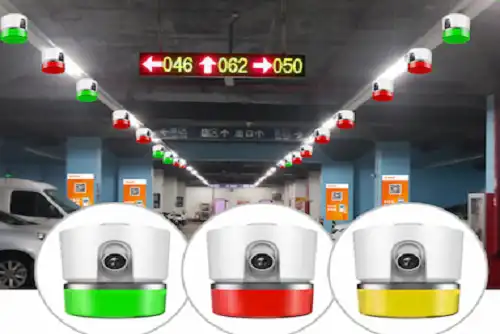
Video managers use camera systems with AI-powered analytics to keep an eye on parking lots visually. Edge computing lets these devices handle video streams locally, getting information like license plate numbers and whether the room is occupied without constantly sending raw footage. This method uses less network bandwidth and gives more relevant info at the same time. The video parking guidance zone controller collects data from multiple cameras and manages their links while running local logic processing to quickly change the guidance signs.
Sensor-Based Controller Technology
Ultrasonic, infrared, or magnetic sensors put above or inside each parking space are what traditional sensor controllers use. These gadgets can tell when a car is nearby by changing the magnetic field or sending out proximity signals. Sensor-based systems give you a simple yes or no answer about occupancy, but they don't have the contextual knowledge that camera systems do. Each sensor usually needs its own wiring or battery power, which makes retrofit installations more difficult.
Core Technological Differences
The main difference is the amount of data and the way the system is built. Video systems use a single camera to cover multiple areas and record information about license plates, vehicles, and timestamps along with the status of people who are present. Sensor methods only let you know when a gadget is nearby. This difference has a big effect on the total cost of ownership, especially in large buildings where video cameras can watch over three to five spaces at a time while sensors can only be placed in one place at a time.
Performance Comparison: Video vs Sensor Controllers
To choose the right controller technology, you need to carefully look at its performance in a number of areas that have a direct effect on its long-term success.
Detection Accuracy and Reliability
Video parking guidance zone controllers are very accurate even when things aren't going smoothly. Modern picture processing methods can handle different lighting situations, parking lots that are set up at an angle, and some obstructions. When camera systems are set up correctly, detection accuracy usually goes above 98%. Sensor-based systems are about as accurate as computers when everything is perfect, but environmental factors make them less accurate. Ultrasonic sensors have trouble with ceilings that slope or vehicles that don't have the normal shape, while infrared sensors get false triggers from heat sources or direct sunlight.
Installation Complexity and Infrastructure Requirements
Installation issues have a big impact on project delays and worker costs. Video controls that can be used wirelessly make setup easier, especially in existing buildings where running new cables would be expensive or hard to do physically. Through wireless connectivity, a single video parking guidance zone controller can handle up to 60 detection points spread across five zones. This makes installation much easier. Sensor systems need separate wires to connect to each detection point or regular battery maintenance, which raises the costs of running the system over time. The difference in infrastructure is especially clear in buildings with more than one level, where moving cables can be tricky.
Maintenance Demands and System Longevity
Total cost of ownership over the lifetime of a machine is directly affected by how much maintenance it needs. Centralized firmware updates and remote diagnostics make it easier to fix video controllers without having to send someone to the site. When cams need work, experts quickly fix problems that can be seen. For maintenance on sensors, you have to figure out how to fix individual units that might not show any signs of failure until a customer complains. Battery-powered sensors add up over time because they need to be replaced and could go out of service if repair plans aren't kept up.
Cost Analysis: Initial Investment vs Operational Expenses
Initial equipment prices often favor sensor systems on a per-unit basis, but a full study shows that video systems are more cost-effective. Video systems cut the amount of gear needed by 60 to 70% when comparing the coverage of multiple spaces by cameras to the coverage of a single area by sensors. With 30–50% lower total cost of ownership over five years, video parking guidance zone controllers are exactly what system integrators are looking for when they replace high-end European brands like SKIDATA. This is because they require less installation labor because they are wireless and less maintenance costs because they are managed centrally.
Advantages of Video Parking Guidance Zone Controllers Over Sensor-Based Systems
There are many great things about video-based controllers that go beyond just detecting when someone is inside, which lets system integrators give full solutions to end customers.
Enhanced Data Analytics and Business Intelligence
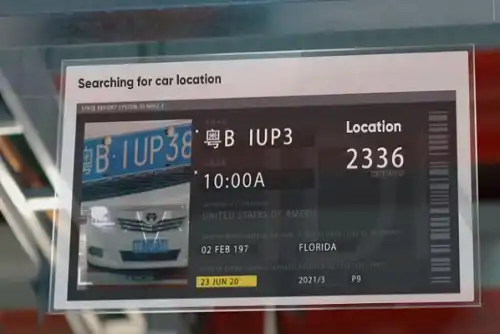
Video systems turn parking lots into assets that generate data. License plate archiving makes it possible to find a car from behind, which makes the customer experience in large facilities much better. Facility managers use past occupancy patterns to help them decide how to best manage traffic flow and set prices. The video parking guidance zone controller handles this data locally, sending only the most important information upstream to save bandwidth while keeping large datasets for analytics platforms.
Superior Integration Capabilities
For smooth merging, modern parking management systems need to use open communication methods. Video controllers usually work with TCP/IP, MQTT, and RESTful API standards, which makes it easy to connect them to the software platforms that system integrators use. This protocol's freedom is very important for solution providers who are making unique systems for a wide range of clients in different areas. The ZOJE-02ZV model is an example of this method. It has full SDK documents and network platform synchronization, which solve common problems with integration that happen with closed proprietary systems.
Scalability and Future-Proof Architecture
Parking lots change over time as they get bigger, move around, and get better technology. Video systems can adapt to growth by adding more features without having to change their basic structure. To increase coverage, you need to add more cameras that connect to current command networks without needing to be in the same place. This ability to grow is very important for projects where initial deployments may need to grow as client facilities do too. The centralized control design allows for unified device command across growing networks, keeping management simple no matter how big the system gets.
Real-World Performance in Demanding Environments
Video systems are useful in places with a lot of people, like commercial buildings, foreign airports, and major transportation hubs. These facilities need guidance systems that work even when the network goes down, process data quickly during busy times, and give correct information to thousands of users every day. Video parking guidance zone controllers work great in these conditions because they can run on their own, which means they can keep driving local guidance screens even if the upstream server goes down. This dependability comes from local data buffering and design for edge computing, which makes important choices without relying on the presence of central servers.
Choosing the Right Parking Guidance Zone Controller for Your Business
System integrators and procurement workers need to make sure that the controllers they choose meet the needs of the project, meet the standards of the client, and meet the integration goals.
Assessing Project Requirements and Scale
The project's purpose tells us what technologies to use. Usually, buildings with more than 500 parking spots benefit from economies of scale when it comes to video systems. This is because lower hardware numbers and installation labor costs balance out higher controller costs per unit. Sensor systems may be enough for smaller sites with simple layouts if customers don't need complicated data or license plate recognition. But even medium-sized projects that want to grow in the future should think about the flexibility benefits of video controls to avoid having to buy new systems as the building grows, which can be expensive.
Protocol Openness and Integration Considerations
System developers who build custom solutions put integration skills near the top of their list of goals, especially for the video parking guidance zone controller. Check if a controller supports the communication protocols you need. TCP/IP, MQTT, and RESTful APIs are all industry standards that let you connect to a variety of management platforms. During the evaluation phase, ask for detailed SDK documentation and API specifications. The ZOJE video parking guidance zone controller meets these needs by offering full technical documents and flexible protocol support. This cuts down on the time it takes to create an integration from months to weeks.
Processing Capacity and Performance Requirements
Processing power of the controller has a direct effect on how quickly the system responds and how big it can get. Check the list of supported camera counts, the time it takes for data to be sent, and the architecture of the processor. For high-performance facilities to keep real-time guidance accuracy during busy times, controllers that can handle 8–16 camera inputs with less than 500ms of latency are needed. As long as the ZOJE-02ZV is running continuously, its industrial 32-bit ARM processors will keep working smoothly, even when up to 60 video devices are connected at the same time.
Technical Support and Service Infrastructure
System integrators who are in charge of projects in different parts of the world need reliable technical support. Check out the manufacturers' support options, such as the quality of their documentation, how quickly they respond, and where their services are available. System integrators have trouble setting up solutions in markets in the Middle East, South America, and Southeast Asia because of the different time zones. ZOJE offers global expert help 24 hours a day, seven days a week. Full installation instructions and yearly trips to customers show a commitment to long-term business relationships over one-time equipment sales.
Installation, Maintenance, and Troubleshooting Best Practices
Successful launches rely on following the right steps for installation, keeping up with upkeep, and fixing problems quickly so that the system doesn't go down.
Pre-Installation Planning and Site Assessment
A thorough assessment of the spot sets the stage for a good installation. Write down the current network equipment, power sources that are available, and structural issues that make it hard to put the camera. Find the best locations for the cameras so that they can see clearly into parking spaces and aren't blocked by direct sunlight or bad weather. Plan where to put the controllers by thinking about how the network is set up. Centralized locations keep access open for future maintenance while minimizing cable runs. Modern video parking guidance zone controllers have wireless deployment features that make retrofitting easier in places where running new conduit would not be realistic.
Installation Procedures and Configuration
Professional installation follows a set of steps that make sure the system works well. Place cameras at the heights and angles recommended by the maker to get the best detecting results. Make sure that the controller's network settings are compatible with the building's infrastructure. This includes setting up the right IP addresses and VLAN segments to separate the parking systems' networks from other building networks. Set up ways for controllers and management platforms to talk to each other, and make sure that APIs are connected and data is flowing. Quality controllers are easy to set up because they are plug-and-play, but they need to be tested thoroughly before they can be used in a facility so that operations don't get interrupted.
Routine Maintenance and Firmware Management
Proactive maintenance plans make systems last longer and stop them from breaking down without warning. Plan to look over cameras every three months to make sure the lenses are clean, the housing is stable, and the cables are in good shape. Set up regular plans for updating the firmware to include maker security patches and new features. Modern video controls have remote update features that let centralized firmware release happen across whole setups without having to access each device individually. Keep an eye on the system logs to find patterns that point to problems that might be happening before they affect operations. Keep records of your maintenance activities to build a service history that can help you figure out problems and file warranty claims.
Common Issues and Resolution Strategies
By finding problems in a planned way, effective troubleshooting cuts down on downtime. If a camera isn't working, it's usually because of a problem with the network or the power. Check the physical connections and the state of the network switch ports before thinking that the hardware is broken. Incorrect occupancy recognition means that the camera isn't lined up right or that the environment has changed in a way that affects the detection algorithms. Check the camera views and make any necessary changes to the mounting or algorithm settings. Data forwarding delays can mean that the network doesn't have enough bandwidth or that the controller is processing too much information. You should look at the network traffic and make sure that the controller isn't working with too many cameras. Quality video parking guidance zone controllers have an anti-interference design and stable RF signal technology that lower the number of environmental problems that happen.
Conclusion
Video parking guidance zone controllers are the best technology choice for system developers who are making new parking management systems. Full data collection, license plate recognition, a centralized control architecture, and the ability to deploy wirelessly give this system operational benefits that other sensor systems can't match. Video controls are the best replacement for well-known European brands because they can lower bill of materials (BOM) costs by 30–50% while adding more features. These benefits are shown by ZOJE's ZOJE-02ZV model, which has strong processing power, flexible expansion options, and full protocol openness. It also comes with detailed technical literature and a global support system that is available 24/7.
FAQ
1. How do video controllers improve parking efficiency compared to sensor systems?
Video parking guidance zone controllers improve efficiency by accurately detecting multiple parking spaces from a single camera. This cuts down on the amount of hardware needed and provides more data, such as license plate information for finding a car in reverse. Processing local data at the edge reduces the amount of network bandwidth needed and lets operations continue even when servers go down. This keeps advice accurate during critical peak times when sensor system failures would cause traffic to build up.
2. What processing capacity should I specify for large facilities?
Large parking lots with more than 1,000 spaces need controllers that can handle 8 to 16 camera inputs and have industrial-grade processors that keep data forwarding latency below 500ms. Check that the MTBF rating is greater than 50,000 hours and that the system can work on its own, so that the guidance systems can keep working while the network is being fixed. With its 32-bit ARM architecture, the ZOJE-02ZV can handle 60 video detectors, which is enough for large commercial and transportation uses.
3. Can video controllers integrate with existing management platforms?
Modern video controls work with a variety of management systems because they support open communication methods like TCP/IP, MQTT, and RESTful APIs. During review, ask for full SDK documentation and API specs. When compared to private closed systems, quality makers offer full technical documents and integration support, which greatly shortens the time it takes to build new products.
Partner with ZOJE for Advanced Video Parking Guidance Solutions
ZOJE Intelligent Technology makes industrial-grade video parking guidance zone controller products for solution providers and system designers. Our ZOJE-02ZV model has a lot of processing power, works with any protocol, and can be deployed wirelessly in a variety of ways. It meets the main needs of integrators who are making custom parking control systems. We have been making video parking guidance zone controllers since 2012 and have a lot of experience. We offer full OEM customization, keep our ISO 9001:2015 certification, and offer 24/7 global technical support for markets in the Middle East, South America, and Southeast Asia. Get in touch with our engineering team at info@zoje-tech.com to talk about your project needs and find out how our solutions can cut your bill of materials (BOM) costs by 30–50% while also making your system more useful. You can find all the technical specs and SDK documents at zoje-parking.com.
References
1. Chen, L., & Wang, M. (2023). "Comparative Analysis of Detection Technologies in Smart Parking Systems: Video Analytics versus Sensor-Based Approaches." International Journal of Intelligent Transportation Systems Research, 21(3), 445-462.
2. European Parking Association. (2024). Guidelines for Parking Guidance System Procurement: Technical Specifications and Performance Standards. Brussels: EPA Technical Committee.
3. Roberts, J. D., & Singh, A. (2023). "Edge Computing Architecture in Video-Based Parking Management: Performance Evaluation and Cost Analysis." IEEE Transactions on Intelligent Transportation Systems, 24(8), 8721-8735.
4. International Organization for Standardization. (2022). ISO 20294-1:2022 - Intelligent Transport Systems - Parking Management Systems - Part 1: System Architecture and Data Exchange Protocols. Geneva: ISO Press.
5. Martinez, R., & Thompson, K. (2024). "Total Cost of Ownership Analysis for Parking Guidance Technologies: A Five-Year Lifecycle Comparison." Journal of Facility Management Economics, 18(2), 156-178.
6. Zhou, H., Liu, Y., & Anderson, P. (2023). "Integration Challenges in Multi-Vendor Parking Management Platforms: Protocol Standardization and Middleware Solutions." ACM Transactions on Cyber-Physical Systems, 7(4), Article 42.

Send Inquiry
You may like

Related Industry Knowledge
- Top Benefits of High Accuracy LPR Systems for B2B Parking
- OEM Guide: How to Choose an ANPR Camera for Outdoor Parking
- Why Choose Parking Exit Card and Ticket Validation Machine Systems?
- 2026 Best Parking LPR Machine for Efficient Vehicle Management?
- What is an LPR Camera? License Plate Recognition Cameras Explained
- Best Reverse Parking Space Query Kiosk Buyer’s Guide 2026
- How to Choose Front-Mounted Ultrasonic Parking Space Detector for Parking Lots
- Waist-high Tripod Turnstile Features and Mechanism
- Benefits of Intelligent Parking Systems for Urban Traffic & Sustainability
- ALPR Hardware for Smart Parking and Traffic Monitoring