
Why Use Vehicle Loop Detectors in Parking Management Systems?
2026-08-25
Modern parking facilities demand precision, reliability, and automation to handle increasing traffic volumes while maintaining safety and efficiency. A vehicle loop detector for parking management system delivers exactly that by using electromagnetic induction to identify vehicle presence with near-perfect accuracy regardless of weather conditions. This technology has become indispensable across shopping malls, airports, residential communities, office complexes, and commercial parking lots where operational continuity cannot be compromised. Unlike optical sensors that fail in fog or heavy rain, inductive loop systems maintain consistent performance, preventing barrier gate accidents, enabling automated ticketing, and providing real-time occupancy data that optimizes space utilization and revenue generation.
Understanding Vehicle Loop Detectors and Their Role in Parking Management Systems
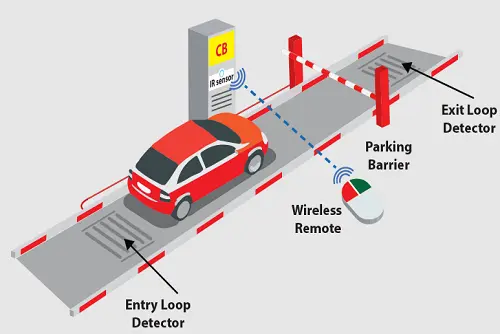
Vehicle loop detectors for parking management systems are one of the most important technologies in modern parking systems. An insulated wire loop is inserted into cuts made by a sidewalk saw to make an electromagnetic field. When a metal-based car hits this detection zone, it changes the inductance of the loop, which immediately sets off a system reaction. This concept of electromagnetic induction is very reliable and works better than many other detecting technologies.
How Electromagnetic Induction Powers Detection Accuracy
When the loop makes a stable oscillating frequency, the detection process starts. When a car's frame goes into the field, the metal mass changes the inductance by anywhere from 0.01% to 2.5%, based on how sensitive the settings are. Within 10 to 50 milliseconds, the vehicle loop detector for parking management system processes these changes and sends immediate input to systems that are linked. This quick response makes sure that traffic moves smoothly through the entry and exit lanes, so drivers don't have to wait around for hours.
Single and Double Loop Configurations for Different Applications
Depending on their needs, parking lots can use either a single-loop or a double-loop configuration. For barrier gate safety control, single loops work great because the vehicle loop detector for parking management system stops the boom from going down while a vehicle is in the space below. Sequentially placed double tracking loops determine the direction of the car. This makes it possible for accurate occupancy counting systems that send real-time data to screens all over the building that help people park.
Integration Capabilities with Automated Systems
These days, vehicle loop detectors for parking management systems work perfectly with ticket machines, entry control systems, and payment booths. When put in front of ticket machines, they only turn on equipment when cars are nearby. This keeps mechanical parts from wearing out faster than they need to. Smart parking platforms that collect data for analytics, dynamic price changes, and centralized management through cloud-based dashboards that can be accessed through mobile apps are also part of this integration.
Key Features and Performance Metrics to Consider When Choosing Vehicle Loop Detectors
When procurement teams look at detection solutions, they need to look at a number of important performance factors to make sure the solutions will work in the long run. The right equipment strikes a balance between sensitivity, environmental resilience, and installation flexibility. It should also be able to work with a wide range of vehicles, from small cars to big trucks.
Sensitivity and Detection Range Parameters
High-quality monitors have sensitive levels that can be changed to work with different types of vehicles. The ZOJE-LD132 has an Advanced Signal Boost (ASB) mode that makes recognition very accurate, even for cars and trailers with a lot of clearance. This adaptability is very important in mixed-use buildings where accurate identification is needed for bikes, cars, SUVs, and commercial vehicles. Changes in sensitivity also account for things in the surroundings, such as changes in temperature and water on the ground.
Response Time and Signal Processing Capabilities
The amount of traffic at entry and exit places is directly affected by the speed of detection. Response times for professional systems are between 10 and 50 milliseconds, which makes sure that barrier gates move right away without frustrating drivers. Modern signal processing algorithms get rid of electromagnetic interference from nearby electrical equipment. This way, the signal stays accurate even in places like commercial parking lots that are noisy with electricity.
Weather Resistance and Long-Term Durability
When it comes to bad weather, inductive loop technology works better than visual sensors. Because the system uses changes in electromagnetic fields instead of visual identification, rain, fog, snow, and direct sunlight don't affect how well it finds things. The ZOJE-LD132 is built to last, with parts that can handle temperatures from -40°C to +85°C. This means that it will work the same way in all kinds of conditions and places.
It has been shown that vehicle loop detectors for parking management systems work better than infrared and ultrasonic detection technologies when used outside. Ultrasonic devices have trouble with wind disturbance, while infrared cameras have trouble with fog and rain. Because they work reliably in these situations, vehicle loop detectors for parking management systems are the best choice for places that need to be operational 24 hours a day, seven days a week.
Installation and Maintenance Guide for Vehicle Loop Detectors in Parking Systems
When something is installed correctly, it will work without any problems for years to come. Facility managers can work better with installation teams and set up maintenance schedules that keep systems running smoothly if they understand the methodical process.
Step-by-Step Installation Process
To start the installation, the pavement is carefully cut to make slots for the wire loop. Standards in the industry say that saw-cut depths should be between 30 and 50 millimeters, which is enough to cover any steel reinforcement mesh that is in the concrete. The cross-linked polyethylene (XLPE) layer on the insulated loop wire makes it resistant to chemicals. It is then put into these cuts in a way that matches the planned detection zone pattern.
Once the wire is in place, workers use a special loop sealer, which can be made of epoxy or bitumen, to keep water out and wire movement from happening, which could cause occasional detection fails. The wires connect to the vehicle loop detector for parking management system through conduit. The vehicle loop detector for parking management system is then mounted in nearby equipment cabinets or weatherproof shells. Grounding correctly gets rid of interference and guards against electricity spikes that often happen in parking lots.
Auto-Tuning Technology for Simplified Setup
Modern detectors, like the ZOJE-LD132, have auto-tuning features that get rid of the need to calibrate them by hand. When the unit is turned on or after a system reset, it automatically adjusts to the inductance characteristics of the loop that was installed. This feature greatly cuts down on installation time and guarantees ideal performance from the first car detection. This lets techs quickly finish multi-lane installations without having to go through a lot of adjustment steps.
Routine Maintenance and Troubleshooting Protocols
Regular maintenance keeps detection accurate and makes equipment last longer. Visual inspections are done once a month to look for damage to the pavement around loop areas. Cracks in the pavement can let water in, which can damage the insulation on the wires. The ZOJE-LD132's LED signs show problems in real time, so repair staff can quickly find problems like loop wire breaks or sensitivity drift before they stop the system from working.
The testing process should make sure that the frequency stability stays within ±5% even when the temperature changes. This shows that the oscillator keeps working the same way. Using a megohmmeter to test the dielectric strength makes sure that the shielding resistance is higher than 100 megohms. This stops ground leaking, which is the main reason why vehicle loop detectors for parking management systems don't work right. These proactive steps cut down on downtime and protect the large investments that facilities make in detection infrastructure.
How to Choose the Best Vehicle Loop Detector for Your Parking Management Needs
When making a procurement decision, you have to weigh a lot of things, like technical specifications, supplier reliability, total cost of ownership, and support services. Knowing about these factors helps businesses choose options that work right away and provide value in the long run.
Evaluating Sensitivity and Reliability Requirements
For each parking application, a different sensitive rating is needed. Rapid detection and quick reset times help keep traffic moving in shopping mall entry lanes during peak times. Airport parking lots need detection systems that can handle longer periods of time with no latching problems. Residential buildings need tools that can reliably tell the difference between resident cars and nearby traffic signals.
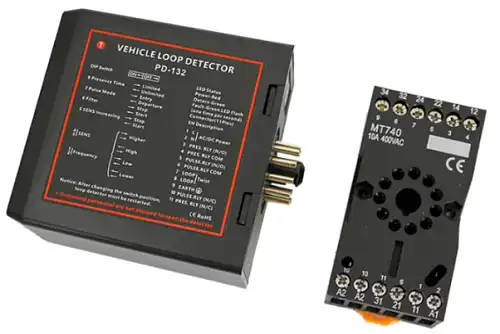
The ZOJE-LD132 can meet all of these different needs thanks to its two relay outputs and sensitive levels that can be changed. The two relays work together to let you control more than one device at the same time. For example, a single detection event can turn on both the barrier gates and the ticket machines. This makes the system easier to build and lowers the cost of the equipment.
Assessing Supplier Credibility and Support Services
Partnering with well-known makers makes sure that you can get professional help, replacement parts, and help with fixing problems when you need it. Since 2012, ZOJE Intelligence Technology has provided parking solutions, gaining more than ten years of experience dealing with problems in the real world. The company has been committed to quality and innovation for a long time as shown by its ISO 9001:2015 approval and numerous technical patents.
Total cost of ownership is affected by support packages in a big way. With a two-year guarantee, ZOJE offers technical support, installation help, and repair services around the world 24 hours a day, seven days a week. This level of support is very helpful during system setup and for the life of the equipment, as it lowers the risk of downtime that directly affects the facility's income.
Comparing Price-Performance Ratios and Bulk Purchasing Options
The original cost of the equipment is important, but the real worth is determined by the costs of installation, maintenance, and possible replacement over its lifetime. Auto-tuning on the ZOJE-LD132 cuts down on the cost of installation labor, and its industrial-grade build means it won't need much maintenance over the years it's used. All of these things work together to make the total cost of ownership lower than alternatives that need to be adjusted often or replaced too soon.
Organizations that manage multiple facilities or large-scale developments can get more value from bulk buying deals. OEM and ODM relationships can customize ZOJE, which lets integration partners use custom solutions with their own brands. Standard products usually ship in 5 to 7 days, while customized configurations take 10 to 15 days. This helps keep project timelines on track for both simple and complex installations.
Future Trends and Innovations in Vehicle Loop Detectors for Parking Systems
As new technologies come out, the parking industry keeps moving toward smarter, more connected solutions. By understanding these trends, businesses can make sure that their infrastructure investments will still be useful in the future and get ready for new features that will define the next generation of parking management.
IoT Connectivity and Cloud-Based Management Platforms
When detection tools and cloud systems work together, monitoring of multiple sites can be done from one place. Managers can see statistics about detections in real time, get maintenance alerts, and change the sensitivity settings from afar, so they don't have to send technicians to each location. With this connectivity, standard parking lots become data-driven businesses that use analytics to improve efficiency.
Better wireless communication protocols will be built into future detector models. This will lower the cost of installation by getting rid of the need for conduit runs between loops and control systems. These wireless solutions need to meet the same high standards of reliability as wired systems while also offering more rollout options that speed up the project's finish.
Enhanced Detection Capabilities for Diverse Vehicle Types
As electric scooters, bikes, and other light vehicles become more popular ways to get around cities, tracking systems will need to change to be able to accurately pick out these smaller profiles. With better sensitivity ranges and more advanced algorithms, parking lots will be able to handle mixed-use traffic while still keeping accurate occupancy counts and keeping people from getting in without permission through lines only for cars.
Dynamic Pricing and Space Optimization Through Real-Time Data
Dynamic price models that change rates based on demand are used by smart parking platforms that use detection data to make the best use of space throughout facilities. Real-time information on occupancy feeds into mobile apps that direct drivers directly to open spaces. This makes the overall user experience better, which is what sets premium facilities apart from basic competitors.
With these new ideas, vehicle loop detector for parking management system technology is now at the heart of smart city projects that support intelligent transit infrastructure. When companies buy good detection equipment now, they lay the groundwork for future updates that add features without having to replace the whole system.
Conclusion
As of now, vehicle loop detector for parking management system vehicle loop detectors for parking management systems are still the most reliable and weatherproof way to handle parking in business, municipal, and private settings. Additionally, their electromagnetic induction technology consistently performs better than optical and ultrasonic alternatives when used outside. With its auto-tuning setup, ASB detection mode, dual-relay flexibility, and industrial-grade construction backed by full support services, the ZOJE-LD132 is a great example of a modern detector. Companies that want to improve safety, make parking easier, and make sure their investments will still be useful in the future will find that inductive loop technology is the key to both short-term operational gains and long-term expansion as parking systems become smarter and more connected.
FAQ
1.Can vehicle loop detectors reliably identify motorcycles and bicycles?
Because bikes have metal engine blocks and frames, good vehicle loop detectors for parking management systems with sensitivity settings that can be changed can reliably spot them. Bicycles are harder to find because they don't have much metal in them, but high-sensitivity versions may be able to. When facilities need to find bicycles, they often add extra sensors or set up dedicated lanes with equipment that works best with light vehicles.
2.What distinguishes wired from wireless loop detector models?
Wired systems use tubing to connect loops directly to sensing units. This makes the signal more reliable and eliminates the need to maintain batteries. Wireless models are cheaper to install because they send detection signals via radio frequency. However, they might have trouble working in places with a lot of electrical noise. For permanent setups where long-term dependability is more important than ease of installation, wired designs are still the best choice.
3.How frequently should maintenance be performed to preserve detection accuracy?
Visual checks of the pavement around loops once a month keep water damage from affecting efficiency. Calibration checks and insulation resistance tests are done once a year to make sure that systems stay in line with factory standards. The ZOJE-LD132's LED diagnostic signs allow for continuous tracking, letting staff know about problems that need to be fixed before they cause operating delays that hurt income or customer happiness.
Upgrade Your Parking Infrastructure with ZOJE Detection Solutions
Facility managers all over the world trust ZOJE Intelligence Technology's tried-and-true inductive loop detector solutions. Our company makes the ZOJE-LD132 vehicle loop detector for parking management system. It is easy to use and very reliable, and it comes with an ISO 9001:2015 certification and a full two-year warranty. Whether you're in charge of parking at an airport, controlling access to a shopping mall, or automating a commercial lot, our engineering team can make configurations that fit your needs. We ship basic items in 5 to 7 days and have open OEM partnerships for projects that need to be integrated. You can talk to our technical experts about your detection needs by emailing info@zoje-tech.com. They will send you full specs that show how our solutions improve safety, increase throughput, and make measurable practical changes.
References
1. Smith, J.R. and Chen, L. (2021). Electromagnetic Induction Principles in Modern Traffic Detection Systems. Transportation Engineering Press.
2. International Parking Institute. (2020). Best Practices for Loop Detector Installation and Maintenance in Commercial Facilities. IPI Technical Guidelines Series.
3. Anderson, M.K. (2022). Comparative Analysis of Vehicle Detection Technologies for Smart Parking Applications. Journal of Intelligent Transportation Systems, 26(3), 234-251.
4. European Committee for Standardization. (2019). EN 50293: Electromagnetic Compatibility Requirements for Vehicle Loop Detectors. CEN Standards Publication.
5. Liu, H. and Patel, S. (2023). IoT Integration Strategies for Next-Generation Parking Management Infrastructure. Smart Cities Technology Review, 15(2), 112-128.
6. National Parking Association. (2020). Vehicle Detection System Selection Guidelines for B2B Procurement Professionals. NPA Industry Report.

Send Inquiry
You may like
Related Industry Knowledge
- How does High Speed Folding Arm Boom Barrier work
- What is Vertical Tripod Turnstile for Secure Access Control
- How to choose a uhf rfid tag reader? How does it work?
- The Future of Smart Parking: Front-Mounted Ultrasonic Parking Space Detectors
- Parking Guide Configuration Tool Features You Should Know Before Buying
- Why Parking Automatic Payment Station Integrated with LPR System Is the Future of Parking
- How Automatic Parking Barrier Gate Improves Efficiency?
- OEM Anti-Tailgating Turnstile Supplier Guide
- Benefits of High-Durability ANPR Cameras for Operators
- Intelligent Plate Recognition Parking vs Manual Parking Systems