
Commercial Parking Payment System: Reduce Costs with Automation
2026-08-26
Managing a busy parking facility means dealing with congested exits, rising labor costs, and complex fee structures. An automatic pay kiosk for commercial parking projects offers a transformative solution. These self-service terminals enable drivers to complete transactions before returning to their vehicles, eliminating bottlenecks and dramatically improving throughput during rush hours. By automating payment collection across shopping malls, airports, residential complexes, office buildings, and commercial lots, facility operators can reduce operational expenses while enhancing the customer experience through faster service and flexible payment options.
Understanding Automatic Pay Kiosks for Commercial Parking
What Are Self-Service Payment Terminals?
The way parking lots handle business has changed a lot since self-service payment machines came out. With these stand-alone units, drivers can read tickets, choose how long they want to park, and pay for their spaces without help from staff. Modern systems work well with gate controls, cameras that read license plates, and central management tools to make an operational environment that works well together. The ports usually come in weatherproof cases that are rated IP54 or IP65. This means that they can be installed outside, where they will be exposed to high temperatures, water, and constant use. Their modular design lets parts be switched out quickly, keeping the average repair time below thirty minutes and ensuring high availability, which is important for operations that depend on making money.
Core Components and Technical Specifications
There are a few important parts that every professional-grade automatic pay kiosk for commercial parking projects must have. The tablet monitor is usually fifteen to nineteen inches and is brighter than 1,000 nits, so it can be read outside in the sun. The workplace PC uses an operating system called Android 4.0 or higher, which gives it stable performance and makes it work with many software programs. Payment gear includes coin and note collectors that can be customized and can recycle coins and bills, which cuts down on the number of times cash needs to be collected. With the help of high-capacity cassettes that can hold more than 1,000 notes, these recyclers make closed-loop devices where accepted cash is given out as change. Transaction confirmations are made by receipt printers, and mobile payments can be made with EMV-certified card readers and QR code scanners. Security features include locks that can't be drilled through, tamper alarms that go off when someone tries to change them, and the option to integrate CCTV tracking.
Integration with Parking Management Systems
These terminals talk to backend servers using TCP/IP protocols. They send transaction data in real time so that finances can be tracked and reports can be made automatically. Integration with license plate recognition technology lets cars park without tickets, using their license plates as proof of entry and leave. The system asks databases for entry timestamps, figures out fees based on length of time and rates, and then automatically processes payments. When the network goes down, offline mode stores events locally in SQLite files and syncs the data when the connection comes back. This design keeps operations running even when there are outages, so there is no loss of income.
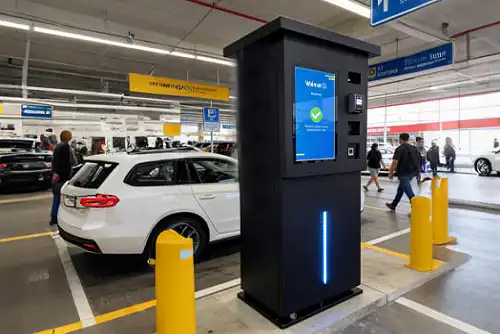
Benefits of Automation in Commercial Parking Payment Systems
Substantial Cost Reduction
Human resources are one of the biggest costs for parking businesses. Traditional booths with staff need more than one shift to cover all of the shifts, which costs money for benefits, training, and supervision. An automatic pay kiosk for commercial parking projects works all the time without any help from a person, which cuts the need for staff by up to 70%. The terminals quickly figure out complicated fees and handle discounts for legal IDs, early bird rates, and multi-day passes without the need for extra staff. Cash recovery systems lower the risk of theft and cut down on the number of times cash needs to be handled, which saves money. In three years, facilities usually get their original hardware investments back just by saving money on labor. The following years bring pure operational wins.
Operational Efficiency Improvements
Wait times have a direct effect on how happy customers are and how quickly the facility can work. At staffed booths, purchases take at least two minutes, but automated computers handle them in less than thirty seconds. Users can choose from a number of ways to pay: cash, credit cards, mobile wallets, and QR codes all work without any problems. This makes sure that transactions go smoothly for everyone, no matter their age or level of comfort with technology. Pay-on-foot models clear out exit lanes by moving payment processing away from gate areas. Drivers settle fees before getting back to their cars. This setup stops the long lines that happen when single exit lanes handle both payment and departure during busy times, like when people are leaving office buildings in the evening or when shopping malls are busy on the weekends.
Enhanced Security and Revenue Protection
Parking lot owners lose a lot of money every year because of scams, mistakes, and theft. These weaknesses are fixed by automated systems that encrypt transactions, send data securely, and check for tampering. The machines are PCI-DSS compliant, which means they guard payment data, and they are EMV Level 1 and 2 certified, which means card transactions are safe. Built-in sensors sound silent alarms when units are shaken or when someone tries to break in, instantly warning security teams. Most drivers now prefer card or mobile payments over cash, which makes it even less likely that someone will steal your stuff. Real-time reporting gives you a whole new level of visibility into your revenue streams. Any problems are flagged right away, instead of being found during monthly audits.
Data-Driven Decision Making
Every transaction gives us useful information about how people use parking lots, when demand is highest, and how they prefer to pay. Backend analytics platforms collect all of this data and turn it into insights that are used to make decisions about pricing and operations. Facility managers can find times that aren't being used and use changeable prices to get more people to use those times. Validation trends help with renewal talks by showing which tenant partnerships bring in the most visitors. Long-term trend research helps with capital planning by showing us whether to add more space or change the way rates are set. With this intelligence, parking goes from being a passive amenity to an income center that is constantly controlled.
How to Choose the Best Automatic Pay Kiosk for Commercial Parking Projects
Evaluating Your Facility Requirements
Before you can choose the right tools, you need to know how your business works. Facilities that handle a lot of people, like airport terminals, need to be as durable and spacious as possible. In fact, airport terminals are built to handle thousands of transactions every day. Support for multiple currencies, foreign interfaces, and the ability to connect to pre-booking systems are all things that these units need. In shopping malls, complex validation handling is needed. For example, the automatic pay kiosk for commercial parking projects needs to read barcodes from dozens of stores, each with its own discount structure. Residential complexes put a high value on integrating access control, which means connecting payment systems to entry gates and databases of resident permits. There should be company account management tools in office buildings that keep staff parking and visitor fees separate. By accurately estimating your traffic volume, payment mix, and operating complexity, you can make sure that the hardware you buy has the right features.
Comparing Automated Versus Manual Systems
Traditional stands with staff allow for human contact, but they also have a lot of problems. Labor costs keep going up because human workers make transactions less accurate and customer service less consistent. Staffing problems during holidays, overnight shifts, and sudden leaves leave gaps in operations. Handling cash by hand leaves businesses open to theft and financial mistakes. On the other hand, automated machines offer steady service quality 24 hours a day, seven days a week. The initial capital investment for each unit is usually between $8,000 and $15,000, but this depends on the features and how they are customized. When you compare the cost of yearly staffing at a booth to more than $50,000 per job, the return on investment is clear in eighteen to twenty-four months. Metrics from systems that have been put into use show that transaction mistake rates are less than one in fifty thousand, which is much higher than the accuracy of a human booth.
Selecting Reputable Suppliers and Partners
How reliable hardware is depends a lot on the reputation and support skills of the supplier. Established makers have track records that can be trusted, a lot of knowledge with installation, and expert service networks that can help you quickly. When looking for a provider of automatic pay kiosk for commercial parking projects, make sure you check how flexible they are when it comes to customization. Both the hardware and software should be able to meet the needs of the project. OEM and ODM support suggests manufacturing depth and desire to tailor solutions. Warranty terms are very important; full coverage for two years protects investments and shows confidence in the product. Support after installation should include expert help 24 hours a day, the ability to do tests remotely, and local service networks for fixing hardware. Delivery times affect project schedules. Suppliers who can deliver standard products within seven days and custom solutions within fifteen days show that they are operationally efficient. Quality certifications, such as ISO 9001:2015, confirm that manufacturing processes are organized, and patent portfolios show that a company is constantly coming up with new ideas and improving its technical skills.
Installation, Maintenance, and Support: Ensuring Long-Term Success
Planning Installation and Initial Deployment
Careful planning of the budget and site preparation are needed for implementation to go well. Hardware prices depend on the specs, but for commercial-grade units, they are usually between $10,000 and $20,000 per terminal. The cost of installation includes connecting the power and networks, laying concrete bases for units that stand alone, and connecting them to existing access control systems. Labor costs vary depending on the site's complexity and local wages, but they usually add fifteen to twenty-five percent to the cost of hardware. Operators who want to stay within their budget can look into lease agreements that spread out capital costs over a number of years and include upkeep in the monthly payments. When you buy in bulk for multiple sites, you can often get big discounts, and the savings get even bigger when you buy five or ten units. Doing site studies before placing an order makes sure that the item is placed correctly for pedestrian flow, weather protection, and disability compliance, so that it doesn't have to be moved after installation, which can be expensive.
Routine Maintenance Requirements
Regular maintenance keeps systems reliable and increases the life of equipment. Software updates come out every three months and include security changes, new features, and better support for new payment ways. These updates are sent out remotely through central management systems, so service trips to the spot are kept to a minimum. Every month, hardware should be checked to make sure there is enough paper in the printer for receipts, that touchscreens and card readers are clean, and that the cash mechanism works. Locations with a lot of customers need to restock their cash drawers more often, but recycling features make the time between pickups much longer. Environmental stress screening during manufacturing checks how well the product can handle high and low temperatures and high and low humidity, but parts still need to be replaced on a regular basis in the real world. Bill validators and receipt printers get the most use, and depending on how many transactions they handle, they usually need to be replaced every three to five years. Setting up service contracts with suppliers makes sure that maintenance costs are predictable and that problems are fixed quickly when they happen.
Warranty and Technical Support Considerations
Full warranty protection against flaws and early failures, and working with makers who offer global help networks makes sure that problems are fixed quickly. Good sellers offer thorough debugging guides, remote diagnostics tools, and technical hotlines filled by experienced experts 24 hours a day, seven days a week. Check to see if the company selling an automatic pay kiosk for commercial parking projects can send replacement parts quickly. In the United States, critical parts should arrive within 48 hours of being ordered. Once a year, expert teams from suppliers come to your site to talk about performance, deal with new problems, and plan changes. This face-to-face interaction creates partnerships where suppliers understand your business problems and offer proactive answers. These partnerships go beyond transactional vendor agreements.
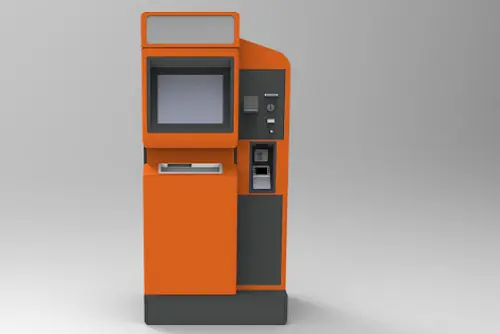
Real-World Applications Across Commercial Parking Facilities
Shopping Malls and Retail Centers
Shopping malls benefit from automated terminals that manage complex tenant validation programs. Multi-spectrum barcode scanners read paper, mobile, and email credentials, while real-time fee systems instantly apply discounts. Multiple terminals reduce holiday congestion, improving customer experience. Usage tracking provides mall managers with data on tenant-driven parking demand, supporting lease decisions and marketing strategies.
Airport Terminals and Transit Hubs
Aviation facilities need the most uptime and reliability possible because payment system problems have a direct effect on how happy passengers are and how much money the airport makes. Terminals that are used in these harsh settings have to deal with constant contact to car exhaust, huge changes in temperature, and constant daily use. Multi-currency acceptance helps international travelers, and multilingual interfaces help a wide range of passengers. Pre-booking interface lets people who booked parking online scan QR codes to get out of the parking lot faster. For parking estimates that last for weeks, you need fee engines that are very complex and can handle daily limits, weekly rates, and savings for returning customers. Commercial-grade kiosks are built to last in tough environments, and maintenance teams can be notified of potential problems before they cause outages through remote monitoring.
Healthcare Campuses and Medical Facilities
Finding the right balance between managing income and patient experience in hospital parking is not easy. Medical trips cause a lot of stress, so it's important that the tools are easy to use. Terminals set up for healthcare settings meet ADA height requirements, provide voice help for visually impaired users, and make the payment process easier. Patients who are getting ongoing treatment can buy multi-visit passes at a discount through frequent visitor programs. The purchase is handled immediately when the patient scans their credentials. Validation systems can handle a wide range of situations. For example, people who go to the emergency room might get free parking, and people who have outpatient appointments might get lower rates. The automatic pay kiosk for commercial parking projects works with hospital administration systems, so permits for employees, volunteer credentials, and doctor parking privileges can be managed centrally without putting too much pressure on the front desk staff.
Office Buildings and Corporate Campuses
Commercial office buildings need complex entry control systems that split parking fees for employees from guest fees. People with monthly permits can get in by using credentials that are linked to their accounts. The gates open automatically when a license plate is scanned. People get temporary tickets when they enter and pay for them at the stations before their exit. The system can handle validation for client meetings. At these meetings, the front desk staff give out discount codes that are instantly processed by terminals. With corporate account management features, companies that rent office space can get a single bill for guest parking, which makes keeping track of expenses easier. When security systems are integrated with building management systems, they create unified security standards. For example, parking access works with lift permissions and door entry credentials.
Conclusion
Transforming parking operations through automation delivers measurable benefits that extend far beyond simple cost reduction. An automatic pay kiosk for commercial parking projects eliminates labor expenses, accelerates transaction throughput, enhances security, and provides unprecedented operational visibility. The technology accommodates diverse facility types—from retail centers managing complex validations to airports handling international travelers and hospitals prioritizing accessibility. Selecting reliable hardware from experienced suppliers, planning thorough installations, and establishing comprehensive maintenance protocols ensure long-term success. As payment preferences evolve toward contactless methods and mobile integration, investing in modern terminals positions facilities to adapt quickly, maintaining competitive advantages in increasingly demanding markets.
FAQ
1.What happens if network connectivity fails?
Professional terminals have an offline mode that lets them keep working when the network goes down. Transactions are stored locally in private databases, and when connection is restored, the databases immediately sync with the central computers. This architecture keeps customer service going no matter what the network conditions are and keeps money coming in.
2.Can these systems integrate with existing license plate recognition cameras?
Yes, open APIs and SDK integration levels are used by current terminals to get license plate data from ANPR systems. This makes it possible to park without a ticket; license plates can be used as IDs instead of tickets, which makes the whole process easier for customers.
3.How often does cash handling equipment need servicing?
Service regularity depends on the number of transactions, but high-capacity recyclers that can hold over 1,000 notes make the time between pickups much longer. The recycling feature sets up closed-loop systems that use new cash to give out change. This means that even in busy facilities, service can usually happen once a week or twice a week.
4.Are these kiosks vandal-resistant?
Commercial-grade units have locks that can't be drilled through, multiple locking points, and parts that are mounted to prevent shock. Vibration sensors pick up on attempts to tamper with the system and sound silent alarms. This immediately alerts security teams and keeps thieves away with strong physical security.
Partner with ZOJE for Your Parking Automation Solution
ZOJE delivers proven automatic pay kiosk for commercial parking projects that transform facility operations across the United States. Our terminals feature Android-based operating systems, customizable cash recycling, multiple payment methods including cards and QR codes, tamper alarms, and optional CCTV integration. We support comprehensive OEM and ODM customization, adapting hardware and software to your exact specifications. Standard products ship within seven days, while customized solutions deploy in fifteen days, ensuring your project stays on schedule. Our two-year warranty and twenty-four-hour global technical support protect your investment, while annual customer visits demonstrate our commitment to long-term partnerships. As an ISO 9001:2015 certified manufacturer holding multiple technical patents, ZOJE combines engineering excellence with customer-focused service. Contact our team at info@zoje-tech.com to discuss how our automated payment terminals can reduce costs and enhance operations at your facility. Discover why leading operators choose ZOJE as their trusted supplier for parking automation projects.
References
1. Smith, J. & Anderson, P. (2022). Automated Payment Systems in Commercial Parking: Cost-Benefit Analysis and Implementation Strategies. Journal of Transportation Management, 34(2), 145-167.
2. International Parking & Mobility Institute. (2023). Emerging Technologies in Parking Management: Self-Service Payment Terminals and Revenue Optimization. IPMI Press.
3. Chen, L., Martinez, R., & Thompson, K. (2021). Security and Compliance in Unattended Payment Kiosks: PCI-DSS Standards and Best Practices. Cybersecurity in Physical Access Systems Quarterly, 8(4), 89-112.
4. National Parking Association. (2023). 2023 Parking Industry Technology Report: Automation Trends and Operator Perspectives. NPA Research Division.
5. Williams, D. & Foster, E. (2022). Labor Cost Reduction Through Parking Automation: Five-Year ROI Analysis Across Facility Types. Commercial Real Estate Operations Review, 19(3), 201-224.
6. Zhang, H., Johnson, M., & Patel, S. (2023). Integration of License Plate Recognition and Self-Service Payment Systems: Technical Architecture and Performance Metrics. IEEE Transactions on Intelligent Transportation Systems, 24(6), 3345-3362.

Send Inquiry
You may like
Related Industry Knowledge
- In-Ground Geomagnetic Parking Sensor for Smart Parking Systems
- How Vehicle Loop Detector for Parking Management System Improves Parking Accuracy
- The Future of Smart Parking: Front-Mounted Ultrasonic Parking Space Detectors
- Parking Payment Hardware Solution for Self-Service Stations and Entry-Exit Control
- Automatic Pay Kiosk for Commercial Parking Projects : Parking Made Easy
- Cashless Pay Stations Are Important for Car Park
- Best Unattended Full-Height Turnstile for High Security
- Top Benefits of Vertical Tripod Turnstile for Access Control
- Guide to Choosing ANPR for Charge Parking Lots That Boost ROI
- What Is an Integratable LPR Parking System?